


How to Build Topic Clusters for Better AI Search Visibility
Creating high-quality content is important for online visibility, but publishing individual blog posts without a clear structure may limit their overall impact. Businesses need a content strategy that connects related topics, answers customer questions, and demonstrates expertise.
One effective approach is building topic clusters. This strategy can support traditional SEO while helping businesses organize information for the growing world of AI-powered search.
1. What Are Topic Clusters?
A topic cluster is a group of related content pieces organized around one central subject.
It usually includes a main pillar page that provides a broad overview of a topic and several supporting articles that explore specific aspects in greater detail.
For example, a software company focusing on digital marketing could create a main guide about AI marketing. Supporting articles might cover AI content creation, marketing automation, AI analytics, and customer personalization.
This structure creates a connected collection of useful resources instead of isolated blog posts.
2. Start With Your Audience's Questions
Before creating a topic cluster, understand what your audience wants to learn.
Research common questions, customer concerns, industry discussions, and relevant search queries. Focus on topics that connect directly with your products, services, and expertise.
Useful questions include:
-
What problems are potential customers trying to solve?
-
Which topics do they research before choosing a solution?
-
What information is missing from existing resources?
-
Which questions deserve a detailed explanation?
These questions can help you build a content plan around genuine user needs.
3. Create a Strong Pillar Page
Your pillar page should introduce the main topic and connect readers to more detailed resources.
A good pillar page includes:
-
A clear explanation of the subject.
-
Important subtopics and related concepts.
-
Helpful examples and practical advice.
-
Links to relevant supporting articles.
-
Answers to common questions.
Keep the information organized so readers can easily understand the topic and explore related content.
4. Develop Supporting Articles
Supporting articles should answer specific questions connected to the main subject.
Avoid creating multiple pages that repeat the same information. Each article should provide a distinct perspective, useful details, or practical guidance.
For example, a GEO topic cluster could include:
-
What Is Generative Engine Optimization?
-
How Does AI Search Visibility Work?
-
Why Do AI Platforms Cite Certain Sources?
-
How Can Businesses Monitor Brand Mentions?
-
What Is the Difference Between SEO and GEO?
Together, these articles create a more complete resource for readers interested in AI search.
5. Connect Your Content With Internal Links
Internal linking helps readers move between related pages and gives search engines additional context about your website structure.
Link supporting articles to the main pillar page and connect relevant articles to one another where it genuinely helps the reader.
Use descriptive anchor text that explains what the linked page covers. Avoid adding links simply to increase their number.
6. Make Your Content Useful for AI Search
AI-powered search platforms aim to provide relevant answers to user questions. Although no content structure guarantees inclusion in AI-generated responses, clear and informative resources can make your expertise easier to understand.
Consider these practices:
-
Answer important questions directly.
-
Use descriptive headings and meaningful sections.
-
Include accurate facts and relevant examples.
-
Explain industry-specific terms clearly.
-
Keep company and product information consistent.
-
Update outdated information regularly.
Focus on creating content that provides genuine value rather than writing solely for algorithms.
7. Monitor Your GEO Performance
After publishing your topic cluster, measure how your content performs across traditional and AI-powered search experiences.
Review organic traffic, keyword performance, content engagement, brand mentions, and AI citations. Look for subjects where competitors receive visibility but your brand is less frequently represented.
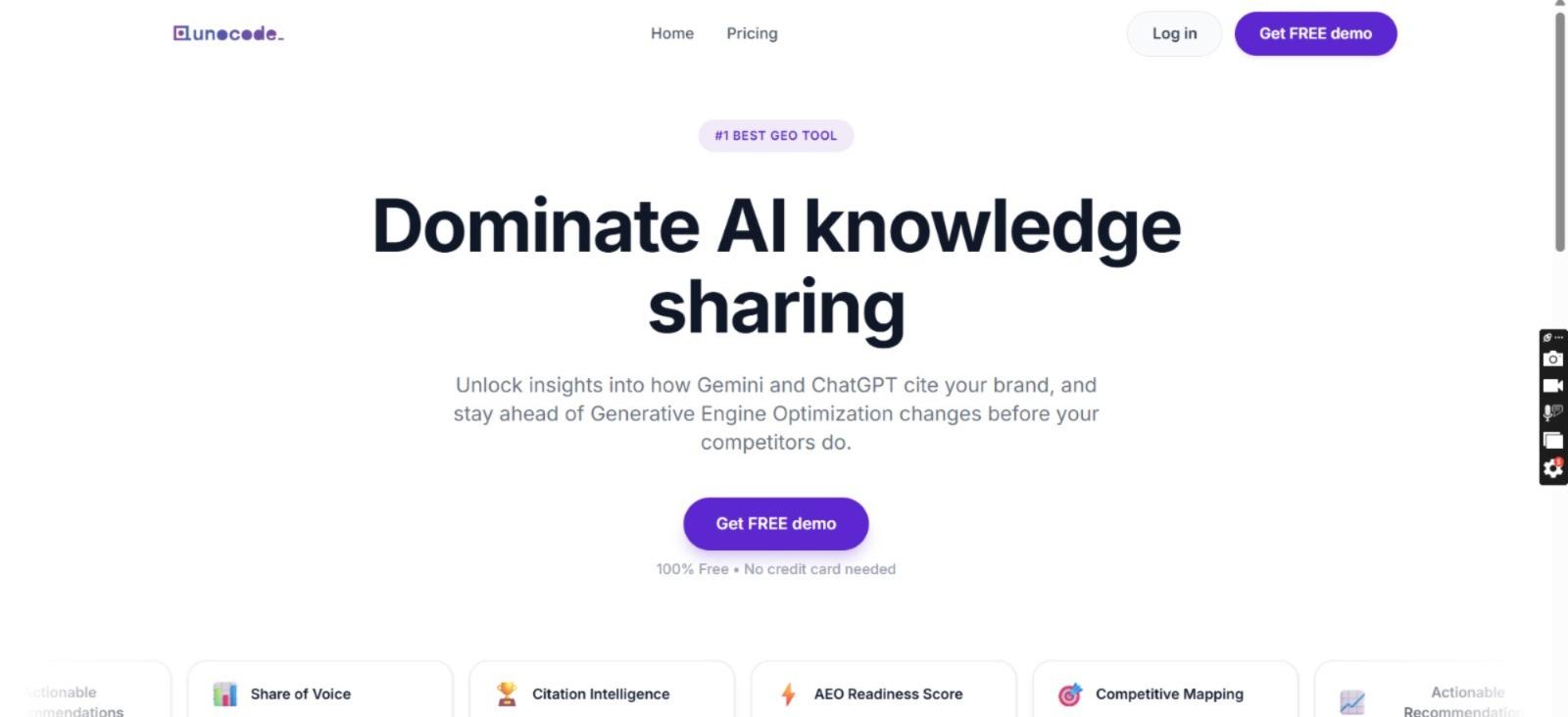
Lunocode, a GEO tool for AI visibility, helps businesses monitor their brand presence in AI search, track mentions and citations, and analyze competitor visibility. These insights can help identify new content opportunities and refine your strategy.
Conclusion
Topic clusters help businesses transform scattered articles into a connected content resource. By organizing information around important subjects, answering customer questions, and linking related pages, companies can build a stronger foundation for search visibility.
As AI-powered search continues to evolve, a well-structured content strategy can help businesses communicate their expertise more clearly. Combine useful content with regular SEO and GEO monitoring to understand where your brand is visible and where improvements are needed.
Build meaningful content connections, strengthen your digital presence, and use Lunocode to explore your brand's visibility in AI search.
Website = https://lunocode.eu/

 English
 Arabic
 French
 Portuguese
 Deutsch
 Turkish
 Dutch
 Italiano
 Russian
 Romaian
 Portuguese (Brazil)
 Greek