


Why Social Emotional Learning Resources Are Important for Child Development
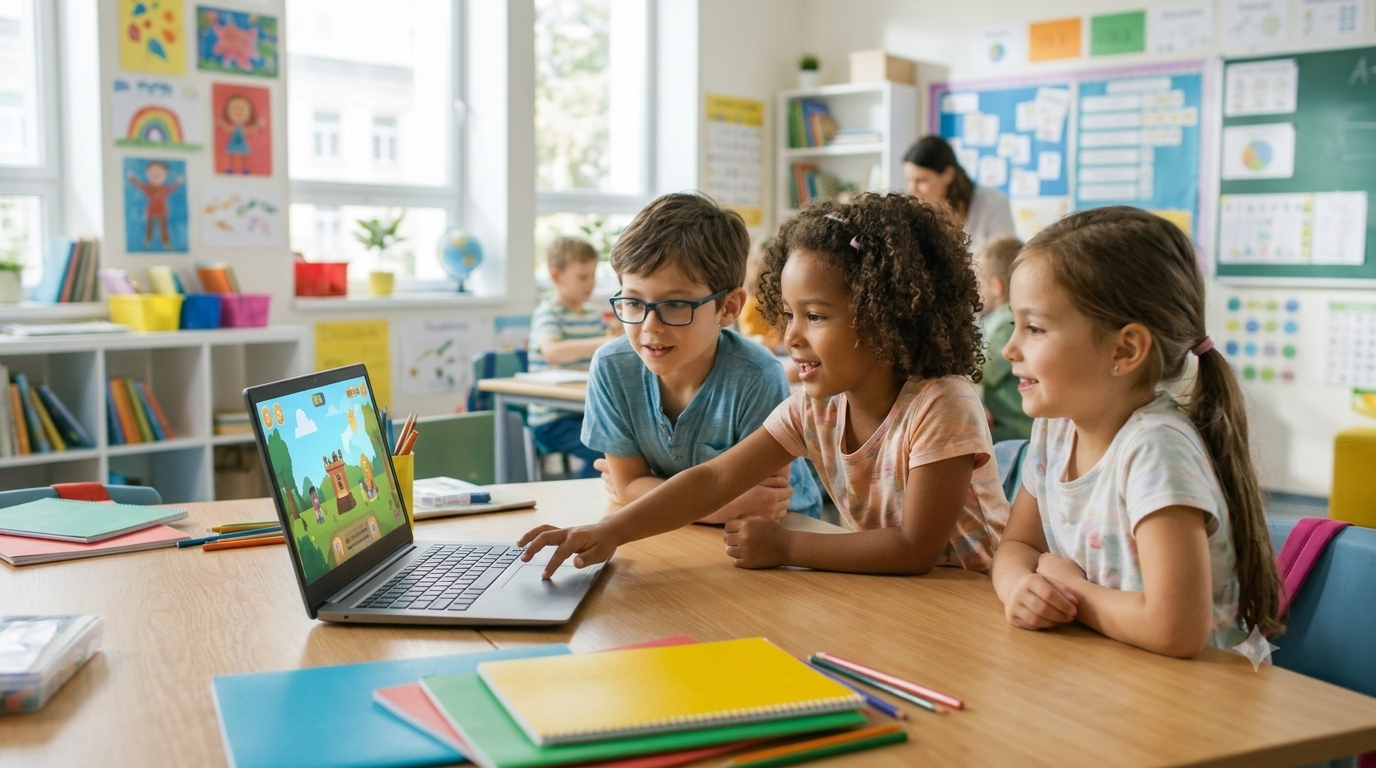
Childhood is an important stage for learning how to communicate, understand feelings, build relationships, and respond to different situations. Along with academic and communication skills, children need support in understanding their emotions and interacting positively with others. These abilities help them feel confident, develop friendships, and manage everyday challenges.
This is where Social Emotional Learning Resources become valuable. They provide structured opportunities for children to recognise emotions, understand social situations, express their needs, and develop healthy relationships. When introduced through simple activities, stories, and visual materials, social-emotional learning can become a natural part of everyday development.
What Is Social Emotional Learning?
Social-emotional learning is the process through which children learn to understand and manage their emotions, show empathy, build relationships, and make responsible decisions.
For young children, these skills develop gradually through everyday experiences. For example, learning to wait for a turn, sharing toys, expressing frustration using words, and understanding how another person feels are all parts of social-emotional development.
Children may develop these skills at different rates. Some may find it difficult to communicate their feelings, while others may struggle with social interactions or managing frustration. Consistent guidance and age-appropriate activities can help them practise these important skills.
Why Is Social Emotional Learning Important for Child Development?
Emotional and social skills influence how children learn, communicate, and participate in everyday activities. Developing these abilities early can support several areas of growth.
1. Helps Children Understand Their Emotions
Children do not always know how to identify or explain what they are feeling. They may express sadness, anger, excitement, or frustration through their behaviour.
Simple activities that introduce different emotions can help children recognise what they feel and understand why they feel that way.
For example, emotion cards, facial expression pictures, and everyday situation-based stories can help children connect feelings with real-life experiences. Over time, they may become more comfortable expressing their emotions through words rather than behaviour.
2. Improves Communication and Social Interaction
Communication is not limited to speaking. It also includes listening, understanding facial expressions, recognising gestures, and responding appropriately during conversations.
Children who receive regular opportunities to practise social interactions may become more comfortable starting conversations, taking turns, asking questions, and expressing their needs.
Social Emotional Learning Resources can support these skills through visual stories, conversation-based activities, and guided social situations. These materials are particularly useful when children need additional support understanding social expectations.
3. Encourages Positive Behaviour
Children are still learning how to respond to different situations. They may find it difficult to wait, share, follow instructions, or manage disappointment.
Instead of simply correcting unwanted behaviour, adults can help children understand what they can do differently.
For example, behaviour charts, social stories, and simple problem-solving activities can demonstrate positive responses to common situations. Children can learn to ask for help, wait patiently, and express frustration appropriately.
4. Builds Empathy and Relationship Skills
Understanding another person's feelings is an important part of building meaningful relationships.
Children can develop empathy by learning to recognise emotions in others and considering how their actions may affect someone else.
Activities involving pictures, storytelling, role-play, and real-life examples can encourage children to think about different perspectives.
These experiences support social emotional development in children and help them build friendships, cooperate with others, and participate more comfortably in group activities.
How Social and Emotional Learning Activities Support Development
Children often learn better when they can see, practise, and experience a concept rather than simply hear an explanation.
Some useful social and emotional learning activities include:
-
Emotion identification: Using pictures to identify happiness, sadness, anger, fear, and excitement.
-
Social stories: Reading short stories that explain everyday situations and appropriate responses.
-
Turn-taking games: Practising patience, sharing, and cooperation through simple games.
-
Problem-solving activities: Helping children think about different ways to handle common challenges.
-
Behaviour support charts: Using visual reminders to encourage positive routines and responses.
These activities can be adapted according to a child's age, communication level, and individual learning needs.
The Role of Parents, Therapists, and Educators
Social-emotional learning becomes more meaningful when children receive consistent support from the adults around them.
Parents can encourage children to talk about their feelings during everyday routines. For instance, asking how they felt after playing with friends can create opportunities for emotional expression.
Speech-language therapists can incorporate emotion vocabulary, conversation practice, turn-taking, and understanding social cues into therapy sessions.
Educators can use group activities, classroom routines, and visual reminders to encourage cooperation and positive interactions.
Regular practice across home, school, and therapy settings helps children apply what they learn in different situations.
Choosing the Right Child Development Therapy Resources
Every child has different strengths and learning needs. Therefore, selecting appropriate child development therapy resources requires understanding the skills a child needs to practise.
Consider the following factors:
-
Age appropriateness: Choose materials that match the child's developmental level.
-
Visual clarity: Use simple pictures and instructions that are easy to understand.
-
Skill-based activities: Select resources that address specific emotional and social goals.
-
Repetition: Provide opportunities to revisit activities without creating pressure.
-
Flexibility: Choose materials that can be used at home, in classrooms, or during therapy sessions.
Structured materials can make it easier for adults to introduce new concepts and provide consistent practice.
How Digital Resources Make Social-Emotional Learning Easier
Digital learning materials offer another way to introduce social and emotional concepts. Interactive activities, visual stories, and guided games can make learning more engaging for children.
Platforms such as Walnut Early Supports offer digital therapy materials designed to address different developmental areas, including language, speech, cognition, and social-emotional growth.
These resources can help parents, educators, and therapists organise practice around specific learning goals. However, digital activities work best when combined with real-life interaction, adult guidance, and opportunities to apply newly learned skills.
Conclusion
Social and emotional skills play an important role in a child's overall development. They influence communication, relationships, behaviour, confidence, and participation in everyday activities.
Introducing Social Emotional Learning Resources through structured activities, visual materials, and consistent guidance can help children understand their feelings and interact more comfortably with others. With support from parents, therapists, and educators, children can gradually develop the skills they need to navigate everyday social situations.
The goal is not to expect perfect behaviour but to give every child opportunities to learn, practise, and grow at their own pace.

 English
 Arabic
 French
 Portuguese
 Deutsch
 Turkish
 Dutch
 Italiano
 Russian
 Romaian
 Portuguese (Brazil)
 Greek