


Medical Package Testing for Healthcare Standards
Medical devices and healthcare products require packaging that can protect them during manufacturing, storage, transportation and handling. Packaging failures can affect product quality, compromise sterile barriers and create additional risks for healthcare providers and patients. This is why Medical Package Testing is an important part of medical device manufacturing and quality management.
Medical Package Testing involves evaluating packaging materials, seals and complete packaging systems to determine whether they meet defined performance requirements. Depending on the product, testing may assess seal strength, package integrity, material properties and resistance to potential damage during distribution. These checks help manufacturers understand whether their packaging is suitable for its intended purpose.
For UK medical device manufacturers and healthcare suppliers, meeting relevant packaging standards is essential. A well-planned testing programme can help identify weaknesses before products reach the market, reduce avoidable packaging failures and support quality documentation. Rather than treating testing as an unnecessary expense, businesses should view Medical Package Testing as an investment in product protection and operational reliability.
Why Medical Packaging Standards Matter
Medical packaging is different from ordinary commercial packaging because it may need to meet specific performance and regulatory requirements. Products supplied in sterile conditions require packaging systems capable of maintaining the required sterile barrier until the point of use. Medical Package Testing helps manufacturers evaluate whether their packaging can perform this role under defined conditions.
Patient safety is one of the main reasons packaging standards matter. A damaged package, weak seal or undetected leak may compromise the protective function of a sterile medical product. Appropriate testing helps manufacturers identify potential defects and assess whether their packaging system performs as expected.
Standards also help create consistency across manufacturing operations. When businesses follow recognised requirements and documented procedures, they have a clearer framework for evaluating materials, validating processes and monitoring packaging quality.
Another important benefit is better cost control. Packaging failures can lead to rejected products, rework, complaints and costly recalls. A structured Medical Package Testing programme can help detect problems earlier, reducing the likelihood of larger issues during distribution or after products reach customers.
Important Standards for Medical Packaging
Medical packaging requirements depend on the product, its intended use, the sterilisation method and the market where it will be supplied. Manufacturers should identify the standards and regulations relevant to their products before developing a testing programme.
Understanding ISO 11607
ISO 11607 is a recognised international standard covering packaging materials and packaging systems for terminally sterilised medical devices. It addresses the requirements for materials, sterile barrier systems and packaging systems, as well as validation of forming, sealing and assembly processes.
Businesses researching ISO 11607 compliance testing procedures should understand that compliance involves more than carrying out one individual test. Manufacturers need to consider the suitability of packaging materials, the design of the sterile barrier system and the ability of packaging processes to produce consistent results.
Testing may include seal strength evaluation, package integrity assessments and material performance checks. The selected methods should be appropriate for the packaging design and supported by suitable acceptance criteria.
It is also important to use the applicable edition of the standard and consider any additional UK or international regulatory requirements relevant to the product. Medical Package Testing should be planned around the complete regulatory and technical context rather than relying on a generic checklist.
Packaging Validation and Quality Requirements
Packaging validation provides documented evidence that a process can consistently achieve its intended results. For medical devices, this may involve evaluating packaging materials, sealing equipment, process settings and finished package performance.
Medical Package Testing supports validation by providing information about how packaging performs under defined conditions. Depending on the process, manufacturers may assess sealing temperature, pressure, dwell time and equipment performance.
Validation should also be reviewed when important changes occur. A new packaging material, supplier, machine or production setting may affect the finished package. Businesses should assess whether additional testing or revalidation is required before introducing such changes into routine production.
Maintaining clear records is equally important. Test reports, validation documents, material specifications and operating procedures help manufacturers demonstrate that packaging activities are controlled and appropriately assessed.
Common Types of Medical Package Testing
Different medical packaging systems require different evaluation methods. A pouch used for a sterile surgical instrument may have different testing requirements from a rigid tray used for a larger medical device. Medical Package Testing should therefore be selected according to the packaging design, material properties and intended application.
Package Seal Strength and Burst Testing
A package seal must provide sufficient strength to maintain its intended protective function. At the same time, it should allow the package to be opened appropriately when required by healthcare professionals.
Package seal strength and burst testing can help manufacturers evaluate important aspects of package performance. Seal strength testing measures the force required to separate sealed areas under defined conditions. Burst testing assesses how a package responds to internal pressure and can help identify weaknesses in the packaging system.
These tests provide useful information about the consistency and performance of packaging seals. Results may be influenced by sealing temperature, pressure, dwell time, material compatibility and equipment condition.
For reliable Medical Package Testing, manufacturers should establish suitable acceptance criteria and use appropriate methods. A strong seal alone does not prove that the entire package is free from leaks or capable of maintaining sterility.
Medical Device Packaging Integrity Testing
Package integrity testing evaluates whether a package contains defects that could compromise its protective function. This is especially important for sterile medical devices, where the packaging system must maintain the required sterile barrier until use.
Medical device packaging integrity testing may involve methods designed to detect leaks, channels or other defects. The appropriate method depends on the packaging material, design, required detection sensitivity and intended purpose.
Some techniques are destructive, meaning the tested package cannot be used afterwards. Other methods may allow non-destructive evaluation. Manufacturers should understand the capabilities and limitations of each method before selecting one for their quality programme.
Reliable Medical Package Testing combines suitable testing techniques with documented procedures and consistent evaluation criteria. This helps businesses make better decisions about packaging performance and product protection.
Visual Inspection and Material Testing
Visual inspection is a practical way to identify obvious packaging defects. These may include wrinkles, incomplete seals, punctures, contamination, damaged packaging components or other visible irregularities.
Material testing can provide additional information about packaging performance. Depending on the material, this may involve evaluating thickness, strength, flexibility and resistance to expected handling conditions.
Visual checks are useful, but they cannot identify every type of defect. A package may appear normal while still containing a leak or another hidden weakness. This is why Medical Package Testing often combines visual inspection with appropriate physical and integrity assessments.
The Role of Sterile Medical Packaging Validation
Sterile medical devices need packaging that can maintain the required sterile barrier throughout their intended storage and distribution period. Sterile medical packaging validation helps manufacturers establish whether their packaging materials and processes are suitable for this purpose.
The validation process may involve evaluating material compatibility, sealing performance and the effect of sterilisation on the packaging system. Manufacturers should also consider how packages may respond to transportation, handling and storage conditions.
Sterility assurance packaging testing methods can contribute to the assessment of packaging performance, but they should not be confused with testing that directly establishes the sterility of a medical device. Maintaining sterility depends on the complete validated manufacturing and sterilisation process, along with an appropriate sterile barrier system.
Shelf-life assessment and distribution simulation may also be relevant. These activities help manufacturers understand whether packaging continues to perform as required after ageing or exposure to representative transport conditions.
A structured Medical Package Testing programme helps connect these different activities and provides evidence that packaging has been evaluated according to its intended use.
Common Challenges in Medical Packaging Compliance
Medical manufacturers can face several challenges when trying to maintain consistent packaging quality. One common issue is variation in sealing performance. Changes in temperature, pressure, sealing time or operator technique can produce inconsistent results.
Material compatibility is another concern. A packaging material that performs well under normal conditions may behave differently after exposure to a sterilisation process or environmental changes. Appropriate Medical Package Testing helps businesses identify these risks before approving materials for routine production.
Documentation can also become difficult to manage, particularly when manufacturers work with multiple suppliers, production lines or packaging formats. Keeping test reports, material specifications and validation records organised can make quality reviews more efficient.
Cost is another important consideration. Testing requires investment in equipment, services and staff time. However, insufficient testing can expose businesses to expensive packaging failures and product recalls. The goal is to develop a risk-based Medical Package Testing strategy that focuses on relevant requirements without paying for unnecessary assessments.
How to Choose the Right Testing Approach
Selecting the right testing approach begins with understanding the product and its packaging system. Manufacturers should identify whether the product is supplied sterile, which packaging materials are used and what conditions the package will experience during storage and distribution.
The next step is to review the applicable standards and regulatory requirements. For relevant terminally sterilised medical devices, ISO 11607 may provide an important framework. Businesses should identify the appropriate test methods, acceptance criteria and documentation requirements.
It is also worth reviewing the technical capabilities of a testing provider. Consider the equipment used, staff expertise, test procedures and reporting quality. Where necessary, confirm whether the provider can assess the specific packaging configuration and material being used.
Price should be considered, but it should not be the only deciding factor. A lower-cost service may not offer the testing methods or technical evidence required for a particular application. A good Medical Package Testing strategy focuses on relevant results, suitable methods and reliable documentation.
How vanderstahl Fits into Medical Packaging Quality
Businesses researching medical packaging equipment and related solutions need to understand how each part of their operation contributes to packaging performance. vanderstahl can be included in the wider research process when evaluating packaging-related options and considering suitable equipment requirements.
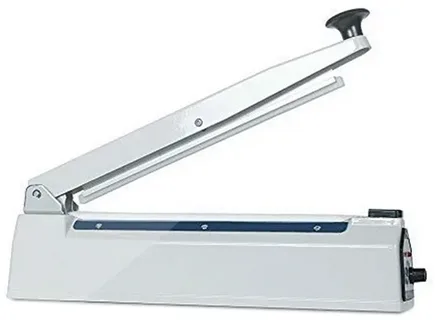
For manufacturers investing in sealing machinery, important considerations include sealing consistency, temperature control, operating conditions and compatibility with selected packaging materials. Equipment should be evaluated according to the actual application rather than promotional claims alone.
It is important to understand the difference between packaging equipment and testing services. A sealing machine performs a production function, while Medical Package Testing evaluates whether the resulting packaging meets defined performance requirements. Equipment selection cannot replace packaging validation or appropriate quality testing.
Businesses should compare technical specifications, review maintenance requirements and seek suitable technical guidance before making purchasing decisions. This approach can help control costs while supporting more dependable packaging operations.
Future Developments in Medical Package Testing
Medical packaging continues to evolve as manufacturers introduce new medical devices, materials and production technologies. These developments are increasing the need for testing methods that provide reliable information about packaging performance.
Automation is one area attracting attention. Modern testing equipment can help improve repeatability, reduce manual handling and support more efficient quality control. However, automated systems still require appropriate calibration, validation and trained operators.
There is also growing interest in packaging materials that reduce environmental impact. Manufacturers must carefully evaluate alternative materials to ensure that changes do not compromise protective performance or applicable standards. Medical Package Testing will remain important when assessing new packaging designs and materials.
Digital documentation and improved traceability are also helping businesses manage quality information. Better records can make it easier to review results, investigate defects and demonstrate that appropriate procedures have been followed.
Conclusion
Medical packaging needs to meet clearly defined performance requirements to protect healthcare products throughout storage, transportation and handling. Medical Package Testing helps manufacturers evaluate materials, seals and package integrity while supporting validation and quality management.
From ISO 11607 compliance testing procedures to Package seal strength and burst testing and Medical device packaging integrity testing, the right methods depend on the product and packaging system. Manufacturers should choose appropriate procedures, establish clear acceptance criteria and maintain accurate documentation.
For businesses researching packaging equipment and quality solutions, vanderstahl can form part of the wider evaluation process. The most effective approach combines suitable materials, reliable equipment, validated processes and appropriate testing. With a structured Medical Package Testing programme, healthcare manufacturers can support packaging reliability, meet relevant quality expectations and make informed decisions about long-term product protection.

 English
 Arabic
 French
 Spanish
 Portuguese
 Deutsch
 Turkish
 Dutch
 Italiano
 Russian
 Romaian
 Greek