


Earthing Requirements for Lightning Arresters in Bangladesh
Introduction
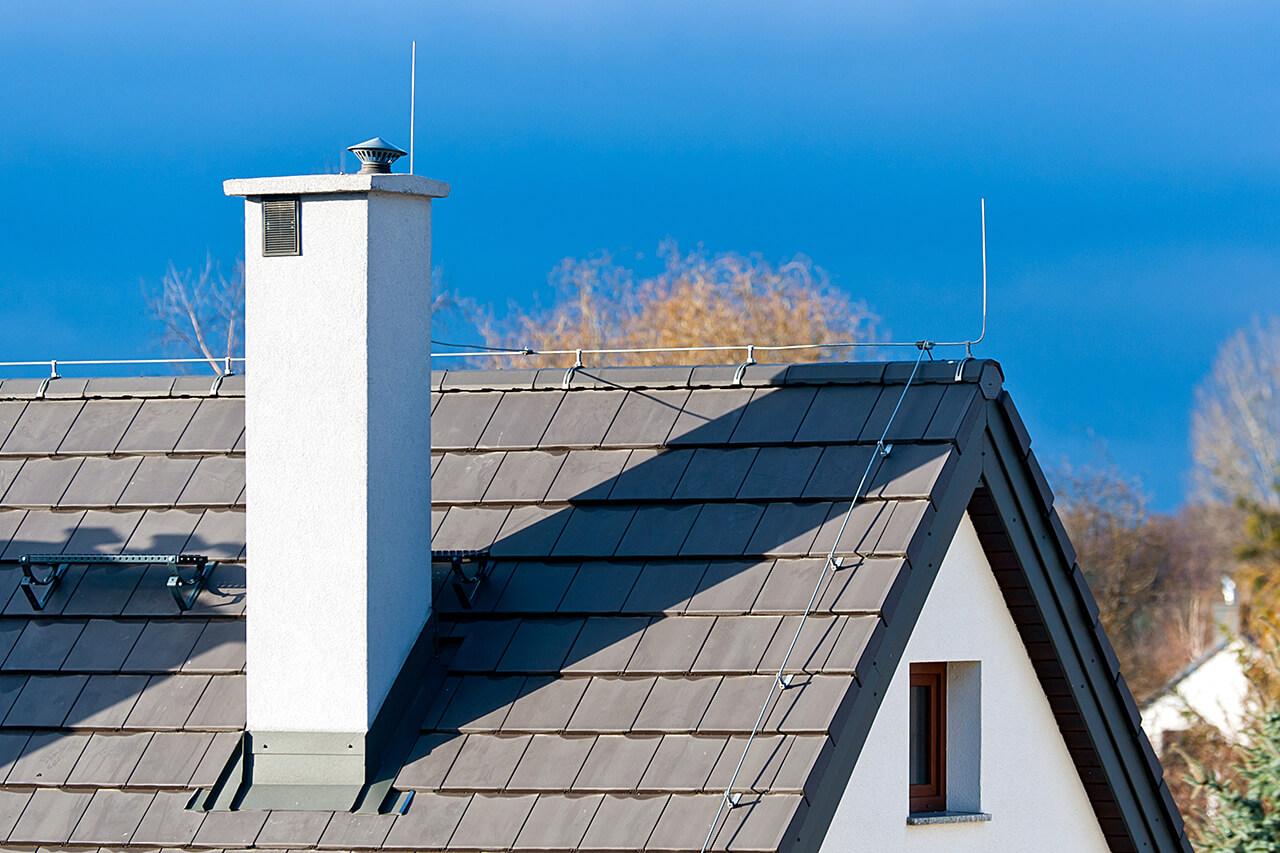
A safe and reliable Lightning Arrester System in Bangladesh depends heavily on proper earthing, especially with our storm-prone climate. Companies like RKW GROUP ensure that every building gets the right earthing setup to protect against dangerous lightning strikes and electrical surges.
1. Why Earthing Matters More in Bangladesh
Bangladesh faces some of the highest lightning strike rates in Asia, especially during the monsoon season. Our warm air, heavy humidity, and frequent thunderstorms make lightning extremely common.
Without proper earthing, even the best lightning arrester becomes ineffective. Poor earthing is one of the main reasons lightning damage still occurs in many homes and buildings.
2. How Earthing Works in a Lightning Protection System
Let’s make it simple.
Lightning releases an enormous amount of electrical energy within a fraction of a second. If this energy isn’t guided safely into the ground, it can:
-
Burn electrical wiring
-
Damage household appliances
-
Cause fires
-
Harm people and animals
-
Destroy solar panels and CCTV systems
Earthing creates a low-resistance path so the lightning current flows directly into the soil instead of running through your home.
3. What Happens if Earthing Is Not Done Properly
A Lightning Arrester System in Bangladesh always relies on a strong earthing foundation. Without good earthing, you may face:
-
Explosions in wiring
-
Melting of conductors
-
Burnt electrical panels
-
Failure of appliances
-
Dangerous side flashes
-
Shock hazards
-
Structural cracks
Many people install a lightning rod but skip the earthing. This is the biggest mistake and can even increase the danger.
4. Types of Earthing Used in Lightning Arrester Systems
Different buildings need different earthing methods. Let’s go through the most common ones used in Bangladesh.
a. GI Earthing
Galvanized iron rods are used because they’re affordable and long-lasting in most soil conditions.
b. Copper Earthing
Copper provides excellent conductivity and is ideal for high-rise buildings and industrial complexes.
c. Chemical Earthing
This is the modern method where a chemical compound is used to maintain low soil resistance year-round. Perfect for dry or sandy soil areas.
d. Plate Earthing
Uses large metal plates buried deep underground. Common in older installations but still effective when built properly.
e. Pipe Earthing
A traditional method using GI or steel pipes with charcoal and salt layers to maintain conductivity.
5. Ideal Earthing Resistance Levels in Bangladesh
For an effective lightning protection system, the earthing resistance must be below 1 ohm in most cases.
However, based on building type, the recommended resistance values are:
-
Residential buildings: 1–2 ohms
-
Commercial buildings: Below 1 ohm
-
Industries: 0.5–1 ohm
-
Telecom towers: 0.2–0.5 ohm
Bangladesh’s naturally moist soil helps maintain low resistance, but proper materials and installation are still required.
6. How Many Earthing Pits Do You Need?
It depends on the size and type of building.
For Homes
-
Minimum 2 earthing pits
-
Connected through bonding
-
Placed 10–15 feet apart
For Commercial Buildings
-
3–5 pits depending on height and structure
For Industries
-
6+ pits with a full earthing grid
A professional survey—like the ones done by RKW GROUP—will determine the exact number needed.
7. Key Components of a Proper Earthing System
A complete earthing setup includes:
-
Earth electrodes (rod or plate)
-
Backfill compound (chemical or salt-charcoal)
-
Earthing pit chamber
-
Copper/GI strip or conductor
-
Earth inspection pit
-
Equipotential bonding
Every part must be installed correctly to keep the entire Lightning Arrester System in Bangladesh working efficiently.
8. Best Earthing Installation Practices for Bangladesh
Here are the essential guidelines that ensure a long-lasting, safe installation:
a. Depth Matters
Earthing rods should be inserted 8–12 feet deep, depending on soil condition.
b. Perfect Spacing
Multiple pits must be placed with proper distance to avoid overlapping current dissipation.
c. Use High-Quality Materials
Cheap rods corrode quickly and lose conductivity.
d. Proper Backfilling
Chemical compounds or salt-charcoal mixtures maintain soil conductivity during dry months.
e. Equipotential Bonding
All metal parts—rooftop railings, solar frames, water tanks—should be electrically bonded.
f. Resistance Testing
A megger test should be performed immediately after installation and then yearly.
9. Mistakes People Commonly Make with Earthing
Most lightning protection failures occur due to these mistakes:
-
Using only one earthing pit
-
Using low-quality GI rods
-
Making shallow pits
-
Bad connections between rods and conductors
-
Not checking resistance levels
-
Skipping SPDs (surge protection devices)
-
Not bonding metal structures
-
Installing earthing too close to a building foundation
Avoiding these mistakes can easily increase the lifespan and effectiveness of your protection system.
10. Earthing Requirements According to International Standards
Bangladesh follows global safety standards to ensure reliable protection.
The main standards include:
-
IEC 62305 – Global lightning protection standards
-
BNBC Guidelines – Bangladesh building code
-
IEEE 80 – Earthing system design
-
NFPA 780 – Lightning protection standard
A certified company like RKW GROUP installs systems that comply with these requirements.
11. Earthing Requirements for Different Types of Lightning Arresters
Different arrester types need different earthing setups.
a. Franklin Rod System
-
Typically uses 1–2 pits
-
Works well in homes and small buildings
-
Needs proper bonding with roof structures
b. ESE (Early Streamer Emission) Arrester
-
Requires stronger earthing
-
Usually 2–4 pits
-
Needs high-conductivity materials
-
Suitable for larger buildings, offices, duplex homes
c. Mesh Earthing System
-
Used for factories, warehouses
-
Includes multiple earthing grids
-
Offers the best coverage for large areas
12. Earthing for Homes vs. Industries
For Homes
-
1–2 pits
-
GI rod or copper rod
-
Earth resistance up to 2 ohms
-
SPD inside main distribution box
For Industries
-
Large grid earthing
-
Chemical rods
-
Earth resistance below 1 ohm
-
Heavy-duty SPDs
-
Shared bonding network for machines
13. How Soil Type Affects Earthing Efficiency in Bangladesh
Bangladesh has multiple soil types:
Clay Soil (Most Common)
Great for earthing; maintains low resistance naturally.
Sandy Soil (Coastal Areas)
Needs chemical earthing to maintain conductivity.
Rocky Soil (Hill Tracts)
Requires deeper pits and copper rods.
Wet Soil (Riverside Areas)
Requires careful corrosion-resistant materials.
Understanding soil conditions helps design the right Lightning Arrester System in Bangladesh for each location.
14. How RKW GROUP Ensures High-Quality Earthing Installations
Professionals at RKW GROUP follow a step-by-step earthing process:
-
Detailed site inspection
-
Soil resistivity analysis
-
Calculation of number of pits
-
Selection of the right earthing material
-
Proper bonding and conductor installation
-
Surge protection integration
-
Full resistance testing
-
Warranty + maintenance options
Their systems are designed specifically for Bangladeshi weather conditions.
Conclusion
A strong Lightning Arrester System in Bangladesh depends on well-designed earthing, and companies like RKW GROUP ensure safe, reliable installations for every home or business. Proper earthing protects your building from dangerous lightning surges, making it one of the smartest safety investments you can make.

 English
 Arabic
 French
 Spanish
 Portuguese
 Deutsch
 Turkish
 Dutch
Dutch
 Italiano
 Russian
 Romaian
 Greek
Greek