


Enhancing Optical Clarity and Product Performance Through Precision Window Glass Solutions
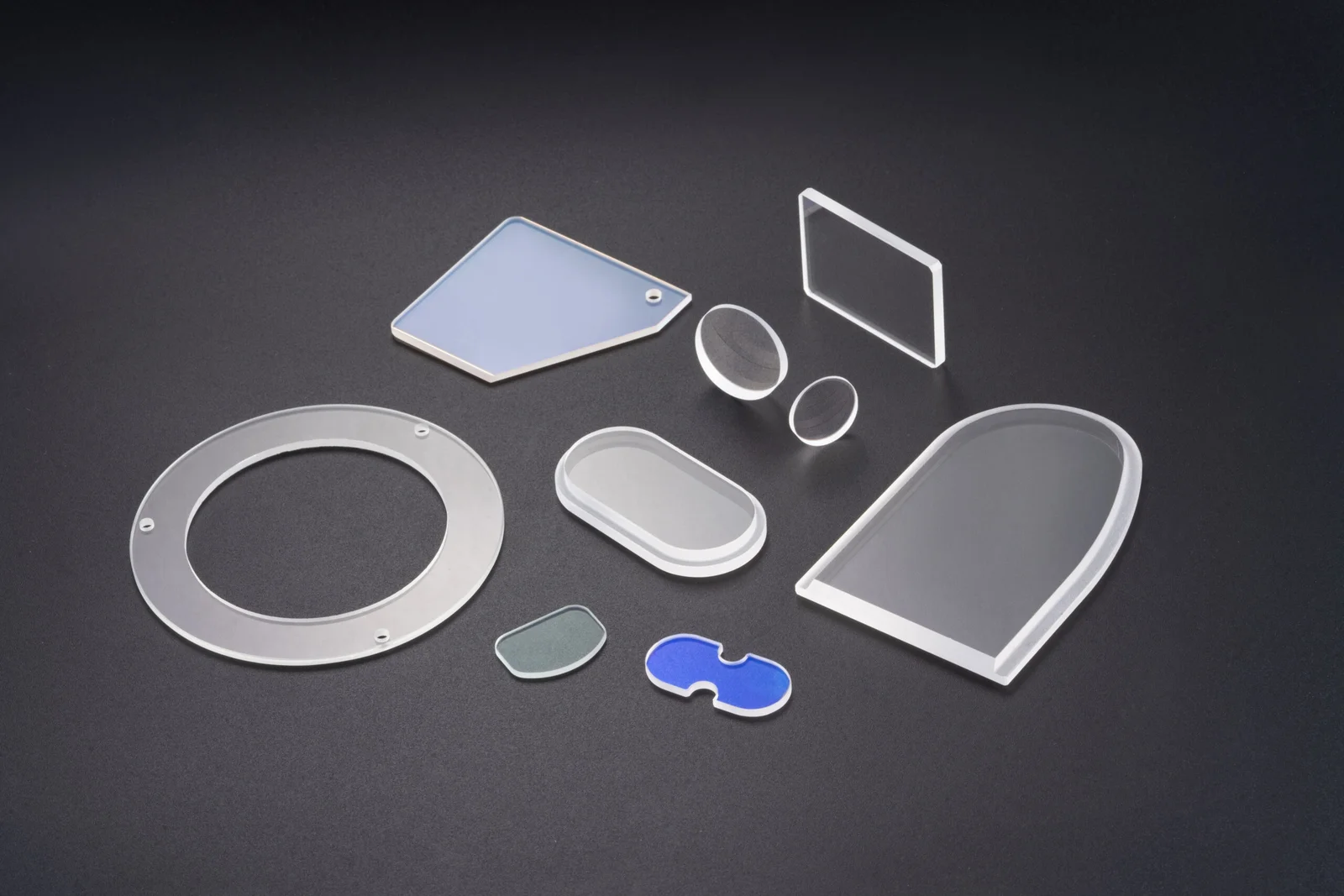
Glass plays an important role in many products and technologies, from everyday architectural installations to specialized optical equipment. Its ability to transmit light, provide visibility, and protect internal components makes it a valuable material across different industries. Selecting suitable window glass is particularly important when clarity, dimensional accuracy, and consistent material quality are essential.
Modern manufacturing processes have expanded the use of glass beyond traditional windows. Specialized glass components are now incorporated into optical instruments, electronic devices, industrial equipment, and customized assemblies. Each application requires appropriate material characteristics to achieve the desired performance.
Understanding Different Glass Requirements
Not all glass products serve the same purpose. Standard window applications generally prioritize transparency, durability, and environmental protection. Specialized optical applications may require additional properties, including controlled light transmission, precise dimensions, surface quality, and specific thickness tolerances.
The correct glass specification depends on how the component will be used. For example, an optical assembly may require a carefully finished surface to minimize visual distortion, while an industrial application may prioritize mechanical strength and resistance to environmental conditions.
Understanding these differences helps manufacturers choose materials that match their technical and functional requirements.
Key Benefits of High-Quality Glass Components
Properly selected glass can offer several advantages across commercial and technical applications.
Clear visibility: Transparent glass allows light to pass through and supports visual access to internal or external areas.
Light transmission: Suitable glass specifications can support the transmission of light required by a particular optical system.
Surface quality: Consistent finishing helps improve appearance and may be essential for applications involving optical precision.
Design flexibility: Glass can be manufactured in different dimensions, shapes, and thicknesses to suit various product designs.
Protective functionality: Depending on its composition and construction, glass can act as a protective barrier for sensitive components.
These benefits depend on material selection, manufacturing quality, finishing processes, and the intended application.
Applications Across Different Industries
Architectural and Commercial Installations
Windows are among the most familiar applications of glass. Commercial buildings, offices, and residential properties use glass to introduce natural light, improve visibility, and create modern architectural designs. Different glass specifications may be selected according to insulation, safety, and environmental requirements.
Optical Instruments
Optical equipment often requires carefully manufactured glass components to support clear viewing and reliable light transmission. Surface quality and dimensional accuracy can be important factors in instruments designed for observation, measurement, and imaging.
Electronic Devices
Glass components are used in various electronic products as protective covers, viewing windows, and parts of specialized assemblies. Suitable material properties help manufacturers meet the physical and visual requirements of their devices.
Industrial Equipment
Industrial systems may incorporate glass windows to allow operators to observe internal processes while maintaining a protective separation. The selected material should match the equipment's operating environment and safety requirements.
Important Factors When Selecting Window Glass
Choosing the right glass requires evaluating several specifications rather than focusing only on appearance.
-
Transparency: Determine the level of optical clarity required for the application.
-
Thickness: Select dimensions that meet the product's structural and functional requirements.
-
Surface finish: Evaluate whether polished or specialized finishing is necessary.
-
Light transmission: Consider the required transmission characteristics for optical applications.
-
Material strength: Assess mechanical requirements and environmental exposure.
-
Dimensional accuracy: Ensure that the component fits the intended assembly.
-
Customization: Check whether specific shapes, sizes, or configurations are needed.
Careful evaluation helps reduce manufacturing complications and supports consistent product performance.
Why Precision Manufacturing Matters
Glass manufacturing involves several processes that can influence the final component's quality. Cutting, shaping, polishing, and inspection must be performed according to the requirements of the intended application.
For specialized products, even small dimensional differences or surface imperfections may affect compatibility and performance. Quality control is therefore important throughout production. Manufacturers should establish appropriate inspection procedures to verify dimensions, surface conditions, and material consistency.
Working with a supplier that understands technical glass requirements can also help businesses identify suitable product specifications before beginning production or assembly.
The Future of Specialized Glass Solutions
As technology advances, glass continues to play an important role in developing more capable optical and electronic products. Improvements in material processing, precision manufacturing, and surface treatment are creating opportunities for specialized glass components across multiple industries.
Demand for customized dimensions and application-specific characteristics is also increasing. Manufacturers are looking for materials that combine dependable quality with flexibility in product design. These developments make selecting the right glass supplier an important part of modern product development.
Choose Suitable Glass Solutions for Your Requirements
Whether used in architectural installations, optical equipment, or industrial assemblies, glass quality can influence the appearance, functionality, and reliability of a finished product. Businesses should carefully assess material specifications, surface quality, dimensional accuracy, and application requirements before making a selection.
ARV Optical offers optical-related product solutions for businesses exploring specialized glass components and precision applications. By evaluating the technical requirements of each project, manufacturers can identify suitable products for their intended designs. Choosing dependable window glass can support clear visibility, practical functionality, and consistent results across a wide range of applications.

 Arabic
 French
 Spanish
 Portuguese
 Deutsch
 Turkish
 Dutch
 Italiano
 Russian
 Romaian
 Portuguese (Brazil)
 Greek