


ATEX Robot Arm: Enhancing Automation in Hazardous Industrial Environments
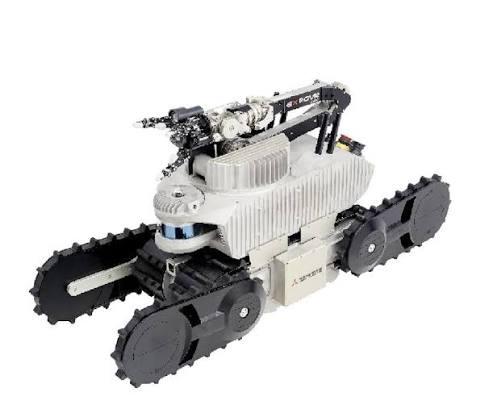
An ATEX Robot Arm is an industrial robotic system designed to operate in environments where flammable gases, vapours, combustible dust, or other hazardous substances may create an explosive atmosphere. In the United States, industries such as chemical processing, oil and gas, pharmaceutical manufacturing, and material handling require specialised automation solutions to manage operational risks. These robotic systems are developed with safety considerations that help reduce the possibility of ignition during automated operations. Their applications include handling sensitive materials, performing repetitive industrial tasks, and supporting production processes in controlled hazardous areas. Understanding the design, operating principles, safety requirements, and industrial applications of an ATEX Robot Arm helps manufacturers evaluate its role in modern automation. The integration of hazardous-area robotics also highlights the importance of equipment classification, environmental assessment, and appropriate safety measures in industrial facilities where reliable and controlled operations are essential for maintaining workplace safety.
Introduction to ATEX Robot Arm Technology
Industrial automation has become an important part of modern manufacturing and processing facilities. However, certain industrial environments contain flammable gases, vapours, or combustible dust that can create explosive atmospheres.
An ATEX Robot Arm is designed for applications where robotic equipment must operate under specific hazardous-area conditions. The term ATEX originates from European directives concerning equipment used in potentially explosive atmospheres.
Although ATEX certification is associated with European regulatory requirements, industries in the United States also use hazardous-area equipment designed according to relevant safety classifications and standards.
These robotic systems combine mechanical movement, electrical control, and specialised protective measures to perform tasks in environments where conventional industrial robots may not be suitable.
What Is an ATEX Robot Arm?
An ATEX Robot Arm is a robotic manipulator designed for use in potentially explosive environments. Its primary function is to perform automated movements while meeting specific equipment protection requirements.
A typical robotic arm consists of several interconnected components, including:
-
Robotic joints that provide movement.
-
A mechanical structure supporting the arm.
-
Motors and actuators that control positioning.
-
Sensors that monitor operational conditions.
-
An end effector designed for a particular task.
-
A control system that manages movement and performance.
In hazardous environments, these components require appropriate protection against potential ignition sources.
The design may include specialised enclosures, temperature controls, protected electrical components, and other safety measures depending on the intended application and hazardous-area classification.
Importance of Hazardous-Area Robotics in the USA
The United States has several industries that operate in environments containing potentially explosive substances. These facilities require equipment capable of functioning under carefully controlled safety conditions.
Chemical manufacturing plants may handle volatile liquids and flammable gases. Oil and gas facilities can contain combustible vapours, while food processing operations may generate combustible dust.
In these environments, an ATEX Robot Arm can support automated processes where equipment protection and operational consistency are important.
Robotic systems can also reduce the need for workers to perform repetitive tasks in hazardous locations. However, the actual level of protection depends on the robot's design, installation, operating conditions, and suitability for the classified area.
Industrial Applications of an ATEX Robot Arm
Chemical Processing
Chemical processing facilities often involve substances that can produce flammable vapours or gases.
An ATEX Robot Arm may be used for material handling, transferring containers, positioning components, and supporting automated production processes.
The equipment must be suitable for the specific chemicals and environmental conditions present in the facility.
Oil and Gas Operations
Oil refineries, gas processing facilities, and related industrial operations may contain hazardous atmospheres.
Robotic arms can assist with repetitive handling operations, inspection-related activities, and controlled equipment manipulation.
Their use depends on the hazardous-area classification and the protection requirements of the installation.
Pharmaceutical Manufacturing
Some pharmaceutical manufacturing processes involve flammable solvents, powders, or specialised chemical compounds.
Robotic arms may support laboratory automation, material transfer, and controlled handling activities.
The robotic system must also meet relevant cleanliness, process, and environmental requirements.
Industrial Material Handling
Material handling is another application where robotic automation can support operational efficiency.
Robotic arms can move containers, position components, and perform repetitive handling tasks. In hazardous locations, specialised equipment protection becomes an essential part of the system design.
Safety Standards and Equipment Classification
The selection of an ATEX Robot Arm requires a clear understanding of the operating environment.
ATEX equipment requirements are associated with European regulations, including Directive 2014/34/EU. In the United States, hazardous locations are commonly classified under the National Electrical Code and applicable workplace safety requirements.
The NEC identifies hazardous locations using classifications such as Class I, Class II, and Class III, with divisions or zones depending on the applicable system.
These classifications describe different types of hazardous substances and the conditions under which they may be present.
An ATEX Robot Arm intended for a particular environment must have appropriate protection characteristics for that location.
ATEX certification alone should not be assumed to establish compliance with every applicable United States requirement. Equipment evaluation must consider the relevant standards, certification framework, and installation conditions.
Design Considerations for Robotic Arms
The design of an ATEX Robot Arm involves several technical considerations.
Explosion protection: Electrical and mechanical components must be designed to minimise potential ignition sources.
Temperature management: Surface temperatures must remain within the limits appropriate for the hazardous atmosphere.
Mechanical reliability: Joints, bearings, and structural components must support the required movements and operating loads.
Control systems: Sensors and control equipment must provide suitable operational monitoring and protection.
Environmental resistance: The robotic arm may require protection against dust, moisture, chemicals, or temperature variations.
These considerations influence the equipment's suitability for specific industrial applications.
Conclusion
An ATEX Robot Arm represents an important development in industrial automation for potentially explosive environments. Its specialised design supports robotic operations in industries where flammable gases, vapours, and combustible dust require careful safety management.
In the United States, hazardous-area robotic applications must consider applicable electrical codes, equipment classifications, and installation requirements. Understanding these factors helps industrial facilities assess the role of robotic automation in controlled environments.
The combination of mechanical precision, automated control, and appropriate explosion protection makes hazardous-area robotics a significant part of modern industrial engineering.

 English
 Arabic
 French
 Spanish
 Portuguese
 Deutsch
 Dutch
 Italiano
 Russian
 Romaian
 Portuguese (Brazil)
 Greek