


How Can Professional Vertical Garden Designs Transform Small Spaces
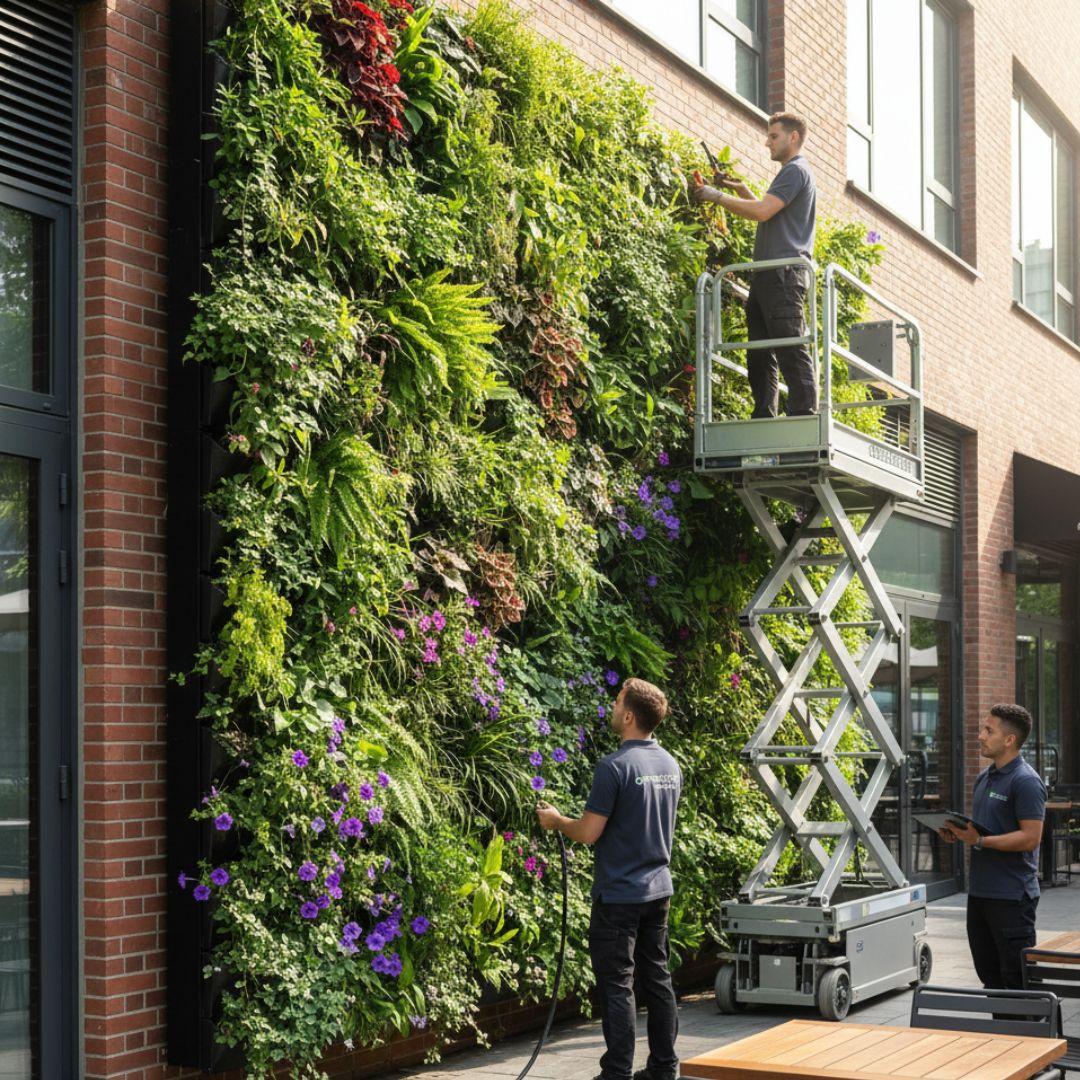
Small spaces often face challenges when adding greenery, as limited floor area can make the environment feel crowded. Yet people still want the comfort, softness, and freshness that plants bring. A vertical garden service can solve this by moving plants upward instead of across the floor, creating visual impact even in compact areas.
Professional designers use these principles to make layouts feel natural and balanced. A well-planned vertical garden can become a room’s main feature, a subtle backdrop in a corridor, or a practical solution where traditional pots won’t fit. Beyond aesthetics, vertical gardens offer functional benefits such as improved air quality, reduced noise levels, and a sense of calm in confined spaces.
Why Small Spaces Benefit From Vertical Green Features
In smaller homes, offices, and commercial areas, floor plants can take up valuable walking or seating space. A vertical garden service lifts greenery upward, allowing more plants without affecting movement or comfort.
A vertical layout also distributes visual weight evenly. Walls feel balanced rather than crowded, and the space appears larger. These layouts improve airflow, reducing moisture buildup and keeping the room fresh. The greenery also encourages interaction and a stronger connection to nature, even in urban or enclosed settings.
How Professionals Evaluate a Space
Before designing a vertical garden, experts consider multiple factors. They examine the amount of natural light, movement patterns, and the availability of water or electrical access. Wall strength is important; some walls can support heavier plant frames, while others require lighter structures. Designers also observe how the space is used whether it is an office, living room, kitchen, or balcony so that the design integrates seamlessly with daily life.
These evaluations ensure that the vertical garden not only looks good but is functional and sustainable in the long term. Even small details like air circulation and potential humidity levels are considered, as they affect plant health and wall safety.
Plant Selection for Vertical Gardens
Choosing the right plants is critical. Small spaces benefit from species that are compact, predictable, and compatible with vertical support.
-
Shade-tolerant plants: Thrive in corners or areas with low natural light.
-
Trailing and drape-style plants: Add softness and create the illusion of greater height.
-
Textured and patterned plants: Offer visual contrast and make walls more dynamic.
-
Slow-growing species: Require less trimming and maintain a stable appearance over time.
In several compact projects, Pranaa has shown why many people consider them a steady choice for thoughtful green design. Proper plant selection ensures longevity and minimizes maintenance while keeping the vertical garden aesthetically pleasing.
How Vertical Layouts Improve Atmosphere
Vertical gardens change how people perceive space. Even narrow rooms feel more open when greenery is lifted off the floor. Plants naturally draw the eye upward, reducing the sense of confinement.
Greenery also softens hard surfaces such as concrete, wood, or metal, creating a calmer and more inviting environment. In addition, vertical gardens improve acoustics; leaves and surfaces absorb sound, helping to reduce echo and make small areas feel more comfortable.
The Role of Structural Design
The framework behind a vertical garden is as important as the plants themselves. Professional designers use systems that support healthy root growth, efficient drainage, and even water distribution, preventing moisture damage to walls.
-
Modular frames: Allow easy rearrangement and long-term flexibility.
-
Pocket panels: Lightweight structures suitable for apartments with thinner walls.
-
Container units: Provide deeper substrate for species with stronger root requirements.
Each structural choice impacts both aesthetics and practicality. A reliable vertical garden service ensures that these designs are both functional and long-lasting.
Irrigation and Water Management
Water management is essential in vertical gardens. Overwatering can cause dripping and water damage, while underwatering can stress plants. Experts plan irrigation around the structure and room conditions.
Common methods include:
-
Manual watering: Ideal for compact installations.
-
Drip systems: Efficient for medium-sized walls.
-
Controlled flow irrigation: Designed for dense, plant-heavy designs.
The goal is to deliver water directly to the roots while preventing excess moisture in the surrounding area. Efficient irrigation ensures plant health and reduces maintenance needs.
Lighting for Healthy Growth
Small rooms may not have uniform lighting. Designers map natural light patterns to ensure plants receive the illumination they need. Shade-tolerant species occupy darker areas, while sun-loving plants are placed near brighter spots.
Artificial lighting, such as low-heat LED grow lights, can supplement natural light. These lights are safe, energy-efficient, and mimic daylight, providing consistent support for plant growth in areas with limited natural sunlight.
How Vertical Gardens Influence Daily Living
Vertical gardens impact more than the look of a space. They improve air quality, reduce visual clutter, and create a calming atmosphere. In offices, these features can reduce stress and enhance focus. In homes, they provide a pleasant focal point and a connection to nature, even in urban settings with little outdoor space.
Even small balconies, kitchen walls, or hallways feel more welcoming when lined with greenery. A professional vertical garden service ensures that plants are arranged thoughtfully, enhancing both aesthetics and functionality.
Final Reflection
Professional vertical garden designs bring greenery to small spaces without compromising comfort or functionality. They lift visual interest upward, create openness, and support healthy plant growth where traditional layouts may not work. With careful plant selection, thoughtful structural planning, and proper lighting and irrigation, even a compact room can be transformed into a vibrant, refreshing corner.
Vertical walls are more than decoration; they subtly reshape how people feel and move within a space, making small areas feel balanced, serene, and alive.
FAQs
1. Can vertical gardens work in rooms with limited light?
Yes. Designers use shade-tolerant plants or gentle artificial lighting when needed.
2. Do vertical gardens need frequent maintenance?
Not always. Slow-growing plants and balanced irrigation reduce upkeep.
3. Will a vertical garden damage the wall?
No. Proper frames or panels create a protective layer that prevents moisture contact.
4. Are vertical gardens suitable for small apartments?
Yes. They utilize vertical space, keeping compact rooms open and uncluttered.
5. How do professionals choose the right plants?
They assess light, humidity, wall strength, and room usage, then select species suited to those conditions.

 Arabic
 French
 Spanish
 Portuguese
 Deutsch
 Turkish
 Dutch
Dutch
 Italiano
 Russian
 Romaian
 Portuguese (Brazil)
 Greek
Greek