


Where Are Magnifying Lamps Commonly Used in Professional Settings
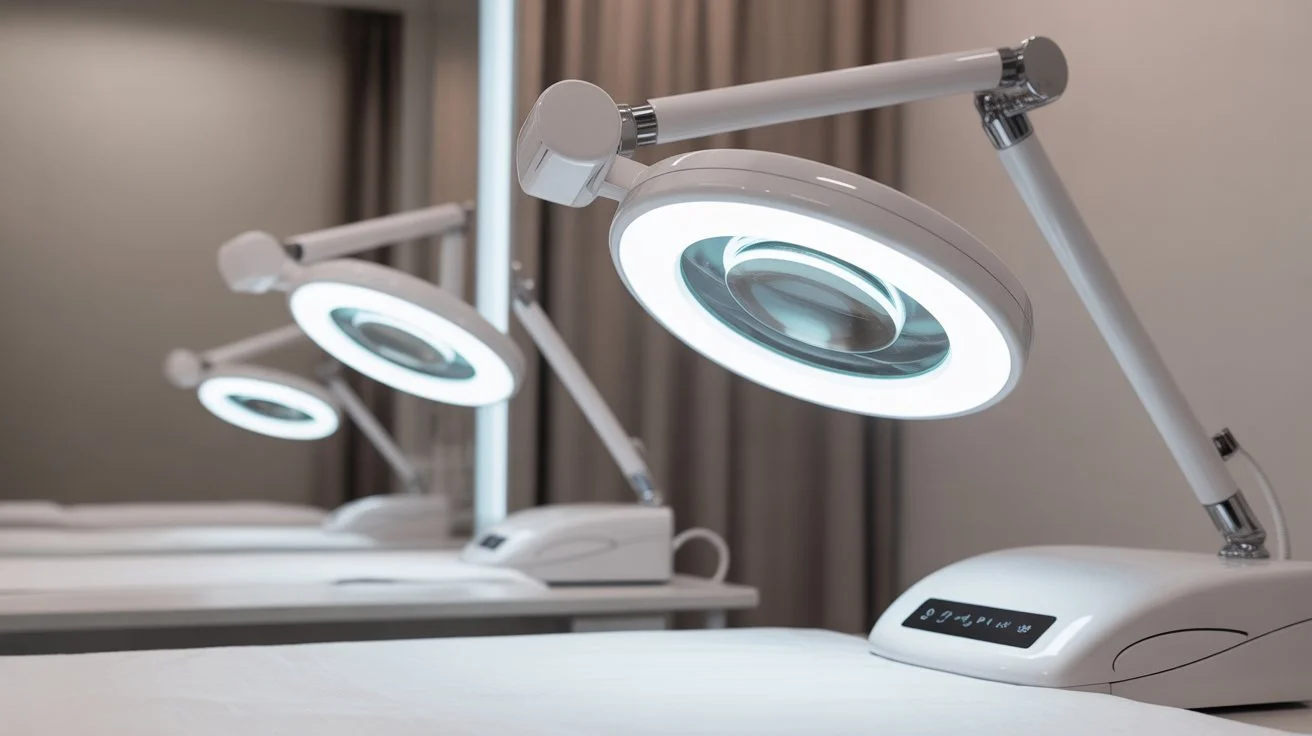
Magnifying lamps are used in workplaces where professionals need to examine small details under clear, focused light. By combining a magnifying lens with illumination, they support tasks that require accuracy, close inspection and steady concentration. These lamps are commonly found in laboratories, industrial workspaces, medical facilities and specialist inspection environments.
Different workplaces need different lamp designs. Some tasks require a stable desk model, while others benefit from adjustable arms or clamp mounting. Redbank Group supplies magnifying lighting for professional applications, with products suited to bench work, clinical environments and detailed inspection tasks.
1. Laboratories and Research Facilities
Laboratory staff often examine samples, materials and small components. Magnifying lamps provide focused illumination and a closer view, which can support routine analysis, sample checks and quality-control activities.
When professionals buy industrial lighting in Australia, they should consider the inspection task, bench layout and required magnification. The magnifying lamp collection includes desk and adjustable models for detailed workplace tasks.
Magnifying lamps may be used for:
- Inspecting samples and small material features
- Checking components during quality-control work
- Examining markings and surface details
- Supporting detailed bench-based procedures
2. Industrial Workbenches and Technical Assembly
Industrial work often involves small parts, finishes and assembled components that need careful inspection. Magnifying lamps can assist with electronics work, precision assembly, repairs and other tasks where workers need to see fine details clearly.
The Magnifier Lamp w/Clamp has an adjustable arm, LED illumination and a bench clamp. This design allows users to position the lens near the task while keeping the work surface more available.
Common applications include:
- Inspecting small mechanical or electrical components
- Checking workmanship during assembly
- Examining surface finishes and visible defects
- Supporting detailed repair and maintenance work
3. Medical and Clinical Settings
Medical professionals may use magnifying lamps when close visual inspection forms part of an examination or procedure. Focused illumination can help clinicians view a specific area without relying only on general room lighting.
The medical products range includes magnifying lighting for clinical environments. Lamp positioning, lens size and working distance should suit the examination and the clinician’s preferred setup.
Applications may include:
- Close visual examinations
- Dermatology and ophthalmology-related tasks
- Detailed inspection during clinical procedures
- Work requiring focused illumination near the examination area
4. Specialist Inspection and Biosecurity Facilities
Magnifying lamps also serve specialist inspection environments. The Standard Maggylamp - LED is listed for use in CSSD and grain inspection facilities. It features a desk-based design, a glass lens and 2x magnification.
These settings may require staff to examine materials or items closely at a fixed workstation. A stable lamp can provide a consistent viewing position for repeated inspection tasks.
Choosing a Magnifying Lamp for Your Workplace
Before selecting a model, consider how often it will be used and how much flexibility the workspace requires. A desk lamp may suit repeated inspections, while a clamp-mounted model can help preserve bench space.
When choosing a magnifying lamp in Australia, professionals should assess magnification, lens size, arm reach and mounting style. The magnifying lamp range includes different configurations for professional workspaces.
Conclusion
Magnifying lamps support professional tasks where close inspection and clear visibility are essential. Laboratories, industrial workbenches, clinical settings and specialist inspection facilities each have different lighting needs. Choosing a suitable model starts with understanding the task, workspace and preferred positioning. Matching these factors helps professionals select a lamp that supports accurate and consistent work.

 Arabic
 French
 Spanish
 Portuguese
 Deutsch
 Turkish
 Dutch
 Italiano
 Russian
 Romaian
 Portuguese (Brazil)
 Greek