


Why Do Highway Tire Blowouts Happen During Long-Distance Driving in Atlanta, GA?
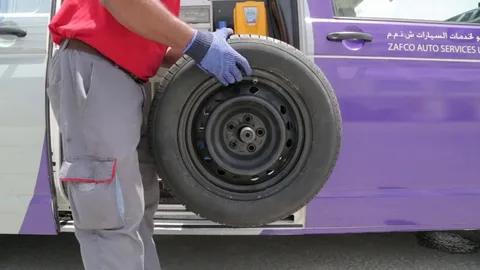
Long-distance driving around Atlanta, GA, can place significant stress on vehicle tires. Whether traveling along I-75, I-85, I-20, or I-285, drivers often encounter extended highway speeds, heavy traffic, changing road conditions, and high pavement temperatures. These conditions can increase the likelihood of tire problems, including sudden blowouts.
A highway tire blowout can be dangerous because drivers may have limited time to respond while traveling at higher speeds. Understanding what causes tire blowouts and how to recognize early warning signs can help motorists reduce risks during long-distance trips.
What Causes Tire Blowouts During Long Highway Trips?
Tire blowouts often develop because of excessive heat, structural damage, poor maintenance, or incorrect inflation. During extended highway travel, tires continuously rotate under the vehicle's weight, generating heat through friction and internal flexing.
Several factors can contribute to sudden tire failure:
-
Underinflated tires: Low pressure increases sidewall flexing and heat buildup.
-
Overloaded vehicles: Excessive weight places additional stress on tire structures.
-
Worn tread: Older tires may have reduced strength and greater vulnerability to damage.
-
Road debris: Sharp objects can weaken tire materials and cause air loss.
-
Excessive speed: Driving faster than the tire's rated speed can increase heat and stress.
-
Existing tire damage: Previous punctures, sidewall injuries, or improper repairs can contribute to failure.
Identifying these problems before starting a long trip can help prevent unexpected roadside emergencies.
How Does Atlanta's Hot Weather Affect Highway Tires?
High temperatures can affect tire performance, particularly during summer travel in Georgia. Asphalt surfaces can become considerably hotter than the surrounding air, exposing tires to additional heat while driving.
When tires are already underinflated, overloaded, or worn, high temperatures can increase the risk of tire damage.
Drivers should check tire pressure before traveling and follow the vehicle manufacturer's recommended pressure specifications. Tire pressure should generally be measured when the tires are cold rather than immediately after extended driving.
Can Low Tire Pressure Cause a Highway Blowout?
Yes. Underinflation is an important contributing factor in tire failures.
When a tire does not contain enough air pressure to support the vehicle properly, its sidewalls flex more than intended. This additional movement generates heat and places stress on the internal tire structure.
Warning signs of low tire pressure may include:
-
A tire pressure monitoring system warning.
-
Noticeable changes in vehicle handling.
-
Uneven tire wear.
-
A visibly deflated tire.
-
Frequent pressure loss.
Drivers should not ignore tire pressure warnings before or during highway travel.
What Should Drivers Do If a Tire Blows Out on an Atlanta Highway?
A sudden blowout on an interstate such as I-285 or I-75 can be frightening. However, maintaining control of the vehicle is essential.
Drivers should take the following precautions:
-
Keep both hands firmly on the steering wheel.
-
Avoid sudden braking or sharp steering movements.
-
Gradually ease off the accelerator.
-
Allow the vehicle to slow down while maintaining control.
-
Move toward a safe shoulder or stopping location when possible.
-
Activate hazard lights after reaching a safe stopping position.
-
Contact roadside assistance if the tire cannot be safely replaced.
Drivers should never attempt to change a tire beside fast-moving highway traffic when the location is unsafe.
Why Should Drivers Inspect Tires Before Long-Distance Travel?
A pre-trip tire inspection can help identify problems that might otherwise develop into serious highway emergencies.
Before traveling long distances, motorists should examine:
Tread depth: Check whether the tire has sufficient tread for safe traction.
Sidewall condition: Look for cuts, cracks, bulges, or other visible damage.
Air pressure: Confirm that all tires meet the manufacturer's recommended inflation levels.
Uneven wear: Examine the tread for unusual wear patterns that may indicate alignment or suspension problems.
Tire age and condition: Consider professional inspection or replacement when tires show signs of deterioration.
These checks are especially important before traveling through Atlanta's busy interstate network.
How Can Mobile Tire Repair Help After a Highway Tire Emergency?
When a tire becomes damaged during highway travel, reaching a traditional tire shop may be difficult. Mobile tire repair services provide another option by bringing tire-related assistance directly to an accessible roadside location.
Depending on the damage, vehicle type, and available equipment, a mobile technician may be able to:
-
Inspect the damaged tire.
-
Repair eligible tread punctures.
-
Replace a damaged tire.
-
Check tire inflation.
-
Help drivers address unexpected tire problems.
Some tire failures require complete replacement rather than repair. A professional assessment helps determine the appropriate solution.
Conclusion
Highway tire blowouts during long-distance driving can result from underinflation, excessive heat, worn tread, vehicle overloading, and existing tire damage. Drivers traveling through Atlanta, GA, should inspect their tires regularly and address warning signs before beginning extended highway journeys.
When unexpected tire problems occur, professional roadside assistance can help motorists get the appropriate support. Peach State Tires provides mobile tire repair services around Atlanta, GA, helping drivers deal with flat tires, tire damage, and unexpected roadside tire emergencies.

 English
 Arabic
 French
 Spanish
 Portuguese
 Deutsch
 Turkish
 Dutch
 Russian
 Romaian
 Portuguese (Brazil)
 Greek