


Liposuction in Dubai: Is the Procedure Safe?
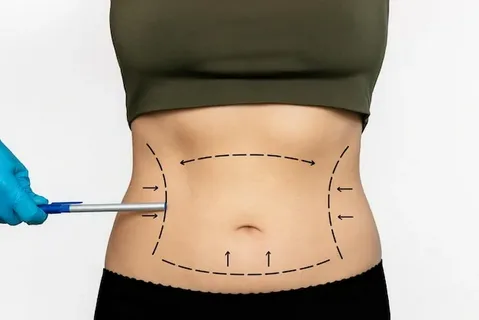
Safety is the first question most patients ask about any elective operation, and it deserves a direct answer rather than marketing reassurance. Liposuction has a long track record in modern surgery, yet its safety depends heavily on who performs it, where it is performed, and how carefully patients are selected. This article examines the evidence-based safety considerations surrounding liposuction in Dubai and the practical steps that reduce risk.
How Safe Is Liposuction in Dubai Overall?
When performed by a qualified surgeon in a properly equipped facility on an appropriately selected patient, liposuction is generally regarded as a safe procedure with a well-documented complication profile. The risks that exist are largely predictable, which means many can be anticipated, minimized, or managed.
The important caveat is that safety is not a property of the procedure alone. It is a product of surgical training, facility standards, anesthesia protocols, patient selection, and aftercare. Two identical operations performed under different standards can carry very different risk levels.
Common and Expected Side Effects
Patients should distinguish between normal post-operative effects and true complications. Expected effects include:
-
Swelling and fluid retention in treated areas
-
Bruising that fades over one to three weeks
-
Soreness, tightness, and tenderness
-
Temporary numbness or altered sensation
-
Small incision sites that require simple care
These are part of the healing process rather than signs of something going wrong. What patients typically report is that discomfort is manageable with prescribed analgesia and improves steadily during the first week.
Recognized Risks and Complications
Less common but clinically recognized risks include infection, seroma (fluid accumulation), hematoma, prolonged swelling, contour irregularities, and changes in skin pigmentation. Rare but serious events include anesthesia-related complications, thrombosis, and fat embolism.
The likelihood of complications rises with the volume of fat removed, the number of areas treated in a single session, prolonged operative time, and pre-existing medical conditions. This is one reason experienced surgeons often stage larger treatments rather than attempting everything at once.
Safety Factors Patients Can Influence
Several risk factors sit partly in the patient's hands. Smoking impairs circulation and wound healing, so cessation before and after surgery is strongly advised. Maintaining a stable weight, disclosing all medications and supplements honestly, and following aftercare instructions — including compression garment use and early gentle movement — all support safer recovery.
Honesty during consultation matters more than patients sometimes realize. Undisclosed blood thinners, recreational drug use, or untreated medical conditions can create avoidable hazards on the operating table.
The Role of the Facility and Surgical Team
Safety standards depend on the environment in which surgery takes place. Appropriate facilities have sterile operating conditions, monitoring equipment, emergency protocols, and trained anesthesia support. Patients are entitled to ask where the procedure will be performed and who will be responsible for anesthesia.
Surgeon credentials matter equally. Ask about training, experience with the specific technique planned, and complication management. A surgeon who discusses risks openly and without defensiveness is usually demonstrating the confidence that comes from genuine experience.
How Safety Is Managed Before, During and After Surgery
Safety is a continuous process, not a single checkpoint. Before surgery, it involves medical assessment, medication review, and informed consent. During surgery, it involves anesthesia monitoring, controlled tumescent technique, and limits on fat volume removed. After surgery, it involves scheduled follow-ups, wound checks, and clear instructions on when to seek urgent care.
Patients should leave a consultation knowing exactly whom to contact if they develop fever, worsening pain, asymmetric swelling, or breathing difficulties. Having that plan in place is itself a safety measure.
Choosing a Safety-Focused Provider
Rather than asking only "Is liposuction safe?", patients may find it more useful to ask "Is this provider safe for me?" That reframing puts the focus on assessment quality, transparency, and standards. Clinics that insist on proper medical evaluation and individualized planning — as Tajmeels Clinic in Dubai does — reduce the chance of surgery being performed on unsuitable candidates.
No procedure is risk-free, and any clinic implying otherwise should prompt caution. Responsible providers discuss complications because they take them seriously.
A Balanced Conclusion
Liposuction in Dubai can be a safe and effective operation when standards are high and expectations are realistic. Safety comes from candid consultation, qualified hands, accredited facilities, and disciplined aftercare. If you are considering the procedure, prioritize a provider who answers safety questions thoroughly — and treat that willingness to be transparent as one of the most meaningful indicators of quality.
Ready to Begin Your Transformation?
Get in touch with us today to explore exclusive offers and find the right treatment for you!
WhatsApp: +971 56 203 8751
Phone: +971 4 373 9000
Social Media:

 English
 French
 Spanish
 Portuguese
 Deutsch
 Turkish
 Dutch
 Italiano
 Russian
 Romaian
 Portuguese (Brazil)
 Greek