


Rhinoplasty Surgery in Dubai: Understanding the Process
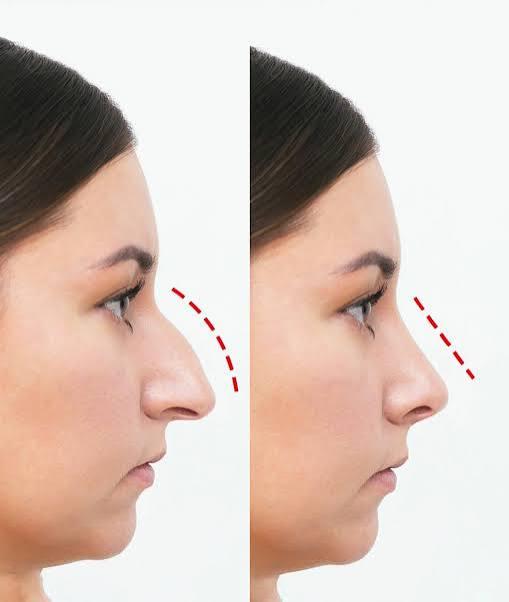
Changing the structure of the nose involves several important stages, from identifying aesthetic concerns to allowing sufficient time for recovery. Each stage contributes to the overall treatment experience and helps establish realistic expectations.
Rhinoplasty Surgery in Dubai involves a personalised surgical approach that considers nasal anatomy, facial proportions, and individual treatment goals. The process may include changes to the nasal bridge, tip, width, or internal structures, depending on the requirements of each case.
Understanding how the procedure progresses can help individuals prepare for the experience and make informed decisions.
Stage One: Identifying Nasal Concerns
The process begins with understanding which features of the nose an individual would like to improve. These concerns may involve appearance, breathing function, or a combination of both.
Some people notice a prominent bridge when viewing their side profile, while others are concerned about a rounded tip, wide nostrils, or nasal asymmetry.
Identifying specific concerns helps establish priorities. It also prevents unnecessary modifications that may not contribute meaningfully to the desired outcome.
Stage Two: Evaluating Nasal Anatomy
The external appearance of the nose is only one part of its overall structure. Bone, cartilage, skin, and internal passages all contribute to its shape and function.
An assessment may consider nasal width, bridge projection, tip position, septal alignment, skin thickness, and cartilage strength.
Breathing function is also important. If nasal obstruction is present, identifying its underlying cause helps determine whether functional correction should be considered alongside aesthetic changes.
Stage Three: Developing an Individual Treatment Plan
Once the nasal structure and treatment goals are understood, an appropriate surgical approach can be considered.
The plan may involve reducing a dorsal hump, adjusting the nasal bridge, refining the tip, or correcting selected structural irregularities.
The intended changes should complement the individual's facial proportions. A treatment plan for someone with thick nasal skin, for example, may differ from one developed for someone with thin skin and more visible underlying structures.
Not every requested change is suitable for every nose, making individualised planning particularly important.
Stage Four: Choosing the Surgical Technique
The surgical approach depends on the complexity of the planned modifications.
Open Surgical Approach
Open rhinoplasty involves a small incision across the columella, which allows access to the underlying nasal framework.
It may be useful when detailed structural adjustments or greater visibility are required.
Closed Surgical Approach
Closed rhinoplasty uses incisions inside the nostrils. This technique avoids an external incision across the columella.
It may be suitable for selected cases where the required modifications can be performed through internal access.
The choice between these techniques depends on the individual's anatomy and the specific surgical objectives.
Stage Five: Preparing for Surgery
Preparation involves reviewing medical history, current medications, allergies, and any previous nasal procedures.
Individuals may receive instructions about eating, drinking, smoking, and medication use before surgery. These instructions should be followed carefully.
Arranging transportation and assistance during the initial recovery period can also make the experience easier.
Understanding the expected recovery timeline before the procedure helps individuals organise work, personal commitments, and physical activities.
Stage Six: Understanding What Happens During Surgery
Rhinoplasty is generally performed under an appropriate form of anaesthesia, commonly general anaesthesia.
The surgical process involves accessing selected nasal structures and making the planned modifications. Depending on the treatment objectives, this may involve reshaping cartilage, adjusting bone, refining the nasal tip, or correcting internal abnormalities.
After the structural changes are completed, the tissues are repositioned. A splint or other supportive materials may be applied to protect the nose during early healing.
The exact procedure varies according to the complexity of the required changes.
Stage Seven: Initial Postoperative Care
The first stage after surgery focuses on protecting the nose and managing normal postoperative symptoms.
Swelling, bruising, tenderness, and temporary nasal congestion can occur. A protective splint may remain in place during the initial healing period.
Individuals should follow the recommended instructions regarding sleeping position, cleaning, medication, and physical activity.
It is important not to manipulate or apply unnecessary pressure to the nose while the tissues are recovering.
Stage Eight: Gradual Healing and Nasal Refinement
The nose changes gradually as swelling decreases and tissues settle into their new position.
During the early weeks, the overall shape may become more noticeable, although the nasal tip can remain swollen for longer.
Subtle changes may continue for several months. The final appearance often requires around a year or longer to become fully apparent, depending on individual healing and surgical complexity.
Patience is important because judging the result too early may not accurately reflect the final outcome.
What Can Influence the Overall Process?
Several factors affect the rhinoplasty experience, including the complexity of the procedure, existing nasal anatomy, skin thickness, and general health.
Previous injuries or earlier nasal operations may make structural adjustments more complicated.
Individual healing responses also influence swelling and recovery time. Following postoperative instructions and attending recommended follow-up appointments help monitor progress.
Possible Risks During the Rhinoplasty Journey
Rhinoplasty is a surgical procedure and involves potential complications. These may include infection, bleeding, anaesthesia-related reactions, persistent swelling, scarring, changes in sensation, breathing difficulties, and dissatisfaction with the final appearance.
Some individuals may experience residual irregularities or require further treatment.
Understanding these possibilities before surgery is an important part of informed decision-making.
How to Prepare for a Smooth Recovery
Recovery requires patience and attention to aftercare. Individuals should avoid strenuous exercise and activities that could cause accidental nasal injury until they receive appropriate clearance.
Protecting the nose from pressure, following cleaning instructions, and taking prescribed medication as directed are important considerations.
Any unexpected symptoms, such as significant bleeding, worsening pain, fever, or sudden breathing difficulties, should be reported promptly.
Final Thoughts
The rhinoplasty process involves careful preparation, individualised surgical planning, structural modification, and gradual recovery. Each stage plays an important role in achieving an outcome that respects natural nasal anatomy and facial proportions. Rhinoplasty Surgery in Dubai may offer an option for individuals interested in improving selected aesthetic or functional concerns, but understanding the procedure and its limitations is essential before proceeding. TAJMEELS CLINIC can be considered when researching available aesthetic approaches and learning more about personalised nose reshaping options.
For More Details, Contact Us Through:
WhatsApp: +971 56 203 8751
Phone: +971 4 373 9000
Social Media:

 English
 Arabic
 French
 Spanish
 Portuguese
 Deutsch
 Dutch
 Italiano
 Russian
 Romaian
 Portuguese (Brazil)
 Greek