


Steel, Oil, and Opportunity: How Auto Recycling Reduces the Auto Industry’s Carbon Footprint
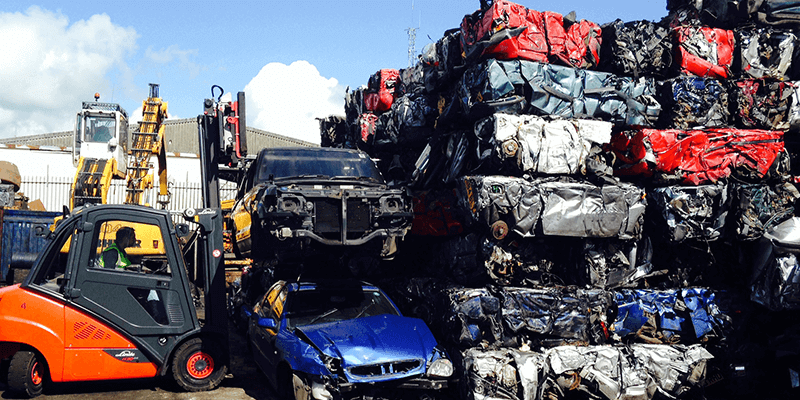
The automotive industry plays a vital role in modern life, but it also contributes significantly to carbon emissions. Manufacturing vehicles, extracting raw materials, and processing components consume large amounts of energy. Old and damaged vehicles, when discarded improperly, add further environmental strain. Auto recycling provides a structured method to reduce this impact while recovering valuable resources.
This article explores how auto recycling works, the environmental benefits it provides, and why organised removal and recycling are essential in lowering the auto industry’s carbon footprint.
The Scale of Vehicle Waste in Australia
Australia has millions of registered vehicles. Each year, hundreds of thousands reach the end of their road life. Without proper disposal, these vehicles can leak oil, fuel, and other hazardous fluids into the environment. Metals and plastics in abandoned cars contribute to landfill growth, while the energy needed to produce new materials adds to carbon emissions. https://www.sydneycarremoval.com.au/
Auto recycling offers a solution by keeping materials in circulation and reducing reliance on new production, which is more energy-intensive.
How Auto Recycling Works
Collection and Transportation
Vehicles destined for recycling are first collected and transported to a dismantling yard. This process prevents cars from being abandoned in streets, bushland, or private property, where they can degrade and release harmful substances.
Fluid Removal and Safety Measures
At the yard, trained workers drain all fluids, including engine oil, brake fluid, coolant, and fuel. Batteries and airbags are also removed for specialised handling. This step prevents soil and water contamination and reduces greenhouse gas emissions caused by improper decomposition of these materials.
Parts Reuse
Many vehicle components remain functional even if the car is no longer roadworthy. Engines, gearboxes, alternators, doors, panels, and wheels are carefully removed for reuse. Reusing these parts reduces the need for new production, which consumes raw materials and energy.
Material Sorting and Recycling
Once parts are removed, the remaining vehicle shell is sorted. Metals such as steel and aluminium are separated from plastics, glass, and rubber. Recycled steel requires up to seventy percent less energy than steel produced from raw ore. Aluminium recycling also significantly reduces energy consumption compared to new production. Plastics and glass are processed when possible, while tyres are repurposed into road surfaces or industrial products.
Reducing Carbon Footprint Through Recycling
Vehicle manufacturing accounts for a large portion of carbon emissions in the automotive sector. By recycling metals and reusing parts, the industry reduces the need to extract and process raw materials. This lowers greenhouse gas emissions and conserves energy.
Studies indicate that auto recycling can recover up to seventy-five percent of a vehicle by weight. Each tonne of recycled steel saves approximately 1.5 tonnes of CO2 emissions compared to new production. Aluminium and other metals provide additional savings. Every reused component contributes to a reduction in the overall carbon footprint of the automotive industry.
Economic and Environmental Benefits
Beyond lowering emissions, auto recycling supports local economies. Dismantling yards, transport services, and material processing facilities create jobs, particularly in regional areas. Reused parts also provide cost-effective options for vehicle repairs, reducing pressure on consumers and extending vehicle lifespans.
Environmentally, auto recycling reduces landfill growth, prevents pollution, and supports the circular economy. The process ensures that materials remain useful long after the vehicle has left the road.
The Role of Vehicle Removal Services
Organised vehicle removal is the first step in recycling. Services that collect and deliver vehicles to recycling yards play a crucial role in the carbon reduction chain. In major cities, Scrap Car Removal Sydney operates as part of this system. Through careful collection and delivery, unwanted vehicles enter recycling yards where materials can be safely recovered.
Sydney Car Removal is one service that helps streamline this process. By collecting end-of-life vehicles and ensuring they reach licensed dismantlers, they support the circular economy while reducing environmental risks. This service links vehicle owners with recycling systems and contributes directly to lowering the carbon footprint associated with vehicle disposal.
Challenges Facing Auto Recycling
Modern vehicles contain more electronics and mixed materials, which require careful handling. Electric vehicles add complexity due to lithium batteries, which need specialised processing. Urban development also limits space for dismantling yards, which can increase transport distances and associated emissions.
Despite these challenges, the system continues to evolve, ensuring that environmental benefits are maximised and materials remain in use.
The Future of Auto Recycling in Australia
As vehicle numbers grow and technology advances, the role of recycling will become even more important. More electric and hybrid vehicles on the roads will require updated methods for battery recovery and material handling. Recycling networks will need to expand and adapt to ensure that every component that can be reused or recycled is processed responsibly.
By maintaining a focus on recovery and reuse, Australia can continue reducing the automotive industry’s carbon footprint while preserving resources for future generations.
Conclusion
Auto recycling transforms old vehicles into valuable resources, reducing carbon emissions, saving energy, and preventing pollution. From fluid removal to parts reuse and metal recycling, every step contributes to a cleaner, more responsible automotive industry. Organised vehicle removal services, like Scrap Car Removal Sydney, play a pivotal role in this process by ensuring cars enter proper recycling channels. Together, these efforts turn steel, oil, and opportunity into a practical method for lowering environmental impact in Australia.

 English
 Arabic
 French
 Spanish
 Portuguese
 Deutsch
 Turkish
 Dutch
Dutch
 Italiano
 Romaian
 Portuguese (Brazil)
 Greek
Greek