


Mold Remediation: A Complete Guide to Safe and Effective Mold Removal
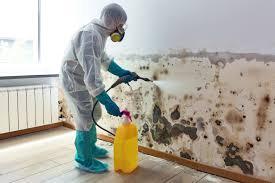
Mold remediation is the process of identifying, containing, removing, and preventing mold growth inside homes and commercial buildings. Mold thrives in damp, humid environments and can quickly spread if left untreated. Beyond damaging property, mold can pose serious health risks, especially for people with allergies, asthma, or weakened immune systems. Understanding mold remediation helps property owners take timely action and maintain a safe, healthy indoor environment.
What Is Mold and Why Does It Grow?
Mold is a type of fungus that reproduces through airborne spores. These spores are naturally present both indoors and outdoors, but they become a problem when moisture allows them to grow. Common causes of indoor mold include water leaks, flooding, high humidity, poor ventilation, and condensation around windows or pipes.
Areas most vulnerable to mold growth include bathrooms, kitchens, basements, crawl spaces, attics, and anywhere water damage has occurred. Mold can grow on walls, ceilings, carpets, wood, drywall, insulation, and even furniture.
Health Risks Associated With Mold
One of the main reasons mold remediation is so important is the potential impact on human health. Exposure to mold can cause symptoms such as sneezing, coughing, nasal congestion, skin irritation, eye redness, and headaches. In more severe cases, mold exposure may trigger asthma attacks, chronic respiratory issues, or infections.
Certain molds, such as black mold (Stachybotrys chartarum), are often associated with more serious health concerns when exposure is prolonged. While not all mold is toxic, any visible mold growth should be treated as a problem that needs professional attention.
Signs You May Need Mold Remediation
Recognizing the early warning signs of mold can prevent costly damage and health risks. Common indicators include:
-
A persistent musty or earthy odor
-
Visible mold spots on walls, ceilings, or floors
-
Peeling paint or wallpaper
-
Water stains or discoloration
-
Increased allergy or respiratory symptoms indoors
-
Past or ongoing water damage
If you notice one or more of these signs, it is wise to schedule a mold inspection as soon as possible.
The Mold Remediation Process
Professional mold remediation follows a structured process designed to eliminate mold safely and prevent future growth.
1. Mold Inspection and Assessment
The first step is a thorough inspection to identify the type of mold, the extent of contamination, and the source of moisture. Professionals may use moisture meters, thermal imaging, or air sampling to assess the situation accurately.
2. Containment
To prevent mold spores from spreading to unaffected areas, remediation specialists seal off the contaminated space using plastic sheeting and negative air pressure systems.
3. Air Filtration
High-efficiency particulate air (HEPA) filters are used to capture airborne mold spores and improve indoor air quality during the cleanup process.
4. Mold Removal
Mold-infested materials such as drywall, insulation, carpeting, or ceiling tiles may need to be removed and disposed of safely. Non-porous surfaces are cleaned using specialized antimicrobial solutions.
5. Cleaning and Sanitization
All remaining surfaces, furniture, and personal belongings are thoroughly cleaned and disinfected to remove any lingering spores and odors.
6. Drying and Dehumidification
Industrial-grade dehumidifiers and air movers are used to eliminate excess moisture, ensuring that mold cannot return.
7. Restoration and Prevention
The final step may include repairing or replacing damaged materials and addressing the underlying moisture issue, such as fixing leaks or improving ventilation.
DIY Mold Removal vs Professional Mold Remediation
Small mold patches caused by minor moisture issues can sometimes be cleaned using household solutions. However, DIY mold removal is not recommended for large infestations, hidden mold, or recurring mold problems. Improper handling can release spores into the air and worsen contamination.
Professional mold remediation offers several advantages:
-
Proper containment and safety equipment
-
Accurate identification of mold sources
-
Long-term prevention strategies
-
Compliance with health and safety standards
Hiring experts ensures the problem is resolved thoroughly and safely.
How to Prevent Mold After Remediation
Preventing mold is just as important as removing it. Key prevention strategies include:
-
Fixing leaks promptly
-
Keeping indoor humidity below 50%
-
Using exhaust fans in bathrooms and kitchens
-
Improving ventilation and airflow
-
Regularly inspecting high-risk areas
-
Cleaning and drying water-damaged areas within 24–48 hours
Consistent maintenance greatly reduces the risk of mold returning.
Cost of Mold Remediation
The cost of mold remediation varies depending on the size of the affected area, the severity of the mold growth, and the type of materials involved. Minor remediation may cost a few hundred dollars, while extensive contamination requiring structural repairs can cost several thousand. Investing in professional remediation is far less expensive than ignoring the problem and dealing with long-term damage or health issues.
Conclusion
Mold remediation is a critical process for protecting both property and health. Mold growth should never be ignored, as it can spread rapidly and cause serious complications. By understanding the signs of mold, the remediation process, and prevention methods, homeowners and business owners can take informed action. Whether dealing with a small issue or a major infestation, proper mold remediation restores safety, improves indoor air quality, and provides long-term peace of mind.

 English
 Arabic
 French
 Spanish
 Portuguese
 Turkish
 Dutch
Dutch
 Italiano
 Russian
 Romaian
 Portuguese (Brazil)
 Greek
Greek