


Why Concrete Jacketing Is Essential for Building Repair and Rehabilitation
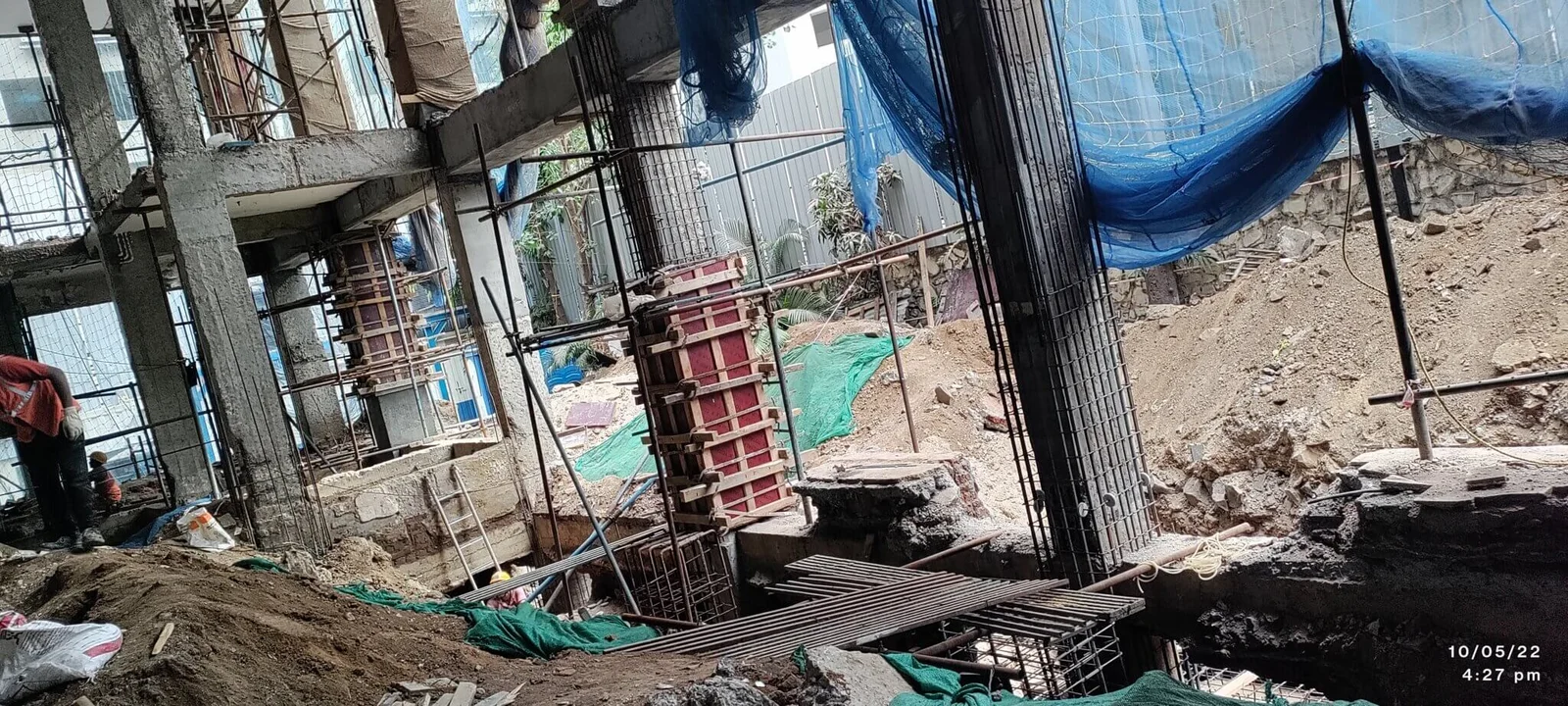
Concrete Jacketing is a widely used structural strengthening technique applied when existing columns, beams, or slabs lose capacity due to age, design issues, or increased load demands. It involves adding a new layer of concrete with reinforcement around the existing member. This method is popular in building repair and rehabilitation projects because it improves strength, durability, and safety without demolishing the structure.
Why Structural Strengthening Becomes Necessary
Over time, buildings face wear due to environmental exposure, corrosion of reinforcement, poor construction quality, or changes in usage. Structural strengthening becomes essential when cracks widen, load requirements increase, or safety audits reveal weaknesses. Concrete Jacketing addresses these problems by enhancing load-bearing capacity. It is often chosen during building renovation, RCC column strengthening, and structural retrofitting projects across residential and commercial properties.
What Makes Concrete Jacketing Effective
The effectiveness of Concrete Jacketing lies in its ability to work integrally with the existing structure. The added concrete and steel reinforcement act together with the original member, increasing stiffness and strength. Proper surface preparation, bonding agents, and reinforcement detailing ensure load transfer efficiency. This method is reliable for restoring structural integrity and extending the service life of aging buildings.
Common Areas Where Concrete Jacketing Is Applied
Concrete Jacketing is commonly applied to RCC columns, beams, slabs, and footings. Columns are the most frequent candidates due to their critical role in load transfer. In many building repair projects, jacketing is also used for seismic retrofitting, parking structures, industrial buildings, and old residential apartments. Its adaptability makes it suitable for both local strengthening and overall structural rehabilitation needs.
Step-by-Step Process of Concrete Jacketing
The process of Concrete Jacketing begins with assessing the damaged member and removing loose concrete. The surface is roughened for better bonding, followed by placing additional reinforcement as per design. Shear connectors or dowels are installed to ensure composite action. Finally, high-quality concrete or micro concrete is poured, cured, and finished to achieve the required strength.
Role of Design and Structural Assessment
Before executing Concrete Jacketing, a detailed structural assessment is critical. Engineers evaluate load conditions, material strength, and failure causes. Proper design ensures the jacketed section meets safety standards and future load demands. Without accurate analysis, strengthening may be ineffective. This step aligns the solution with structural strengthening goals, building codes, and long-term performance requirements.
Benefits of Concrete Jacketing for Buildings
One major benefit of Concrete Jacketing is improved load-carrying capacity without altering the building layout. It also enhances fire resistance, stiffness, and durability. Compared to rebuilding, it is cost-effective and time-efficient. Property owners prefer this method during building rehabilitation because it minimizes disruption while significantly improving safety and structural performance.
Concrete Jacketing vs Other Strengthening Methods
When compared to techniques like carbon fiber wrapping or steel jacketing, Concrete Jacketing offers robustness and familiarity. While fiber systems are thinner and quicker, concrete jacketing provides mass and rigidity. It is often preferred for heavily damaged RCC members or where increased dimensions are acceptable. The choice depends on site conditions, budget, and structural requirements.
Importance in Seismic Retrofitting
In earthquake-prone zones, Concrete Jacketing plays a vital role in seismic retrofitting. Many older buildings lack ductility and confinement reinforcement. Jacketing improves column confinement, shear strength, and energy dissipation capacity. This makes structures safer during seismic events. As a result, it is frequently recommended in seismic strengthening and earthquake-resistant building upgrades.
Materials Used in Concrete Jacketing
The materials used in Concrete Jacketing include high-strength concrete, micro concrete, steel reinforcement, bonding agents, and corrosion inhibitors. The selection depends on site constraints and structural needs. Using quality materials ensures compatibility with existing concrete and long-term durability. Material selection directly impacts performance, making it a crucial aspect of structural repair projects.
When Should You Consider Concrete Jacketing
Concrete Jacketing should be considered when visible cracks, spalling, corrosion, or load changes are observed. Structural audit reports often recommend it for distressed columns and beams. It is also suitable when adding extra floors or changing building usage. Early intervention prevents further damage and reduces overall repair costs in the long run.
Impact on Building Lifespan and Value
By improving strength and durability, Concrete Jacketing significantly extends a building’s lifespan. Strengthened structures perform better under load and environmental stress. This enhancement also increases property value, as buyers and occupants prefer structurally sound buildings. In urban areas, jacketing is a practical solution to upgrade old buildings without complete redevelopment.
Quality Control During Execution
Quality control is essential during Concrete Jacketing execution. Proper alignment of reinforcement, correct concrete mix, and adequate curing must be ensured. Regular inspections and testing help maintain standards. Poor workmanship can compromise bonding and reduce effectiveness. Strict quality checks ensure the strengthened members perform as designed throughout their service life.
Sustainability and Repair-Oriented Approach
Concrete Jacketing supports a repair-oriented and sustainable approach to construction. Reusing existing structures reduces material waste and environmental impact. Instead of demolishing buildings, strengthening preserves embodied energy. This aligns with modern urban needs where space, resources, and sustainability are critical considerations in building repair and rehabilitation practices.
Concrete Jacketing remains one of the most trusted methods for structural strengthening due to its reliability and versatility. It addresses critical safety concerns, adapts to various building types, and delivers long-term performance. When designed and executed properly, it restores confidence in aging structures and supports safe, functional, and durable buildings for years to come.

 English
 Arabic
 French
 Spanish
 Portuguese
 Turkish
 Dutch
Dutch
 Italiano
 Russian
 Romaian
 Portuguese (Brazil)
 Greek
Greek