


Structural Repairs: Strengthening Buildings for Safety and Long-Term Durability
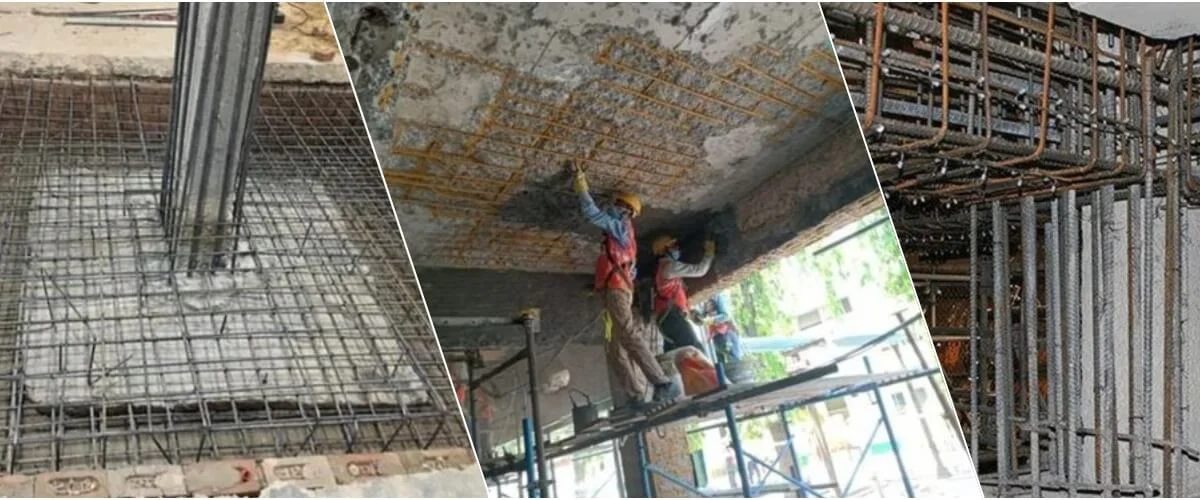
Buildings age silently. Small cracks, damp patches, or uneven floors often look harmless, but they can signal deeper structural concerns. Structural repairs focus on restoring the strength, stability, and safety of a building. These repairs are not cosmetic fixes. They address the core load-bearing elements that keep structures safe for occupants and compliant with safety standards over time.
Common Signs That Indicate the Need for Structural Repairs
Visible cracks in walls, sagging slabs, exposed reinforcement, and water seepage are early warning signs. Many property owners ignore these issues until they worsen. Structural repairs are essential when cracks widen, corrosion appears, or floors feel uneven. Acting early reduces repair costs and prevents serious risks like partial collapse or long-term damage.
Why Buildings Deteriorate Over Time
Structural damage rarely happens overnight. Environmental exposure, poor construction practices, soil movement, and water infiltration all contribute. In coastal or high-humidity areas, corrosion accelerates deterioration. Structural repairs become necessary when these factors weaken concrete, steel, or masonry. Understanding the cause helps ensure repairs address the root problem, not just surface-level symptoms.
Role of Structural Repairs in Building Safety
Safety is the primary objective of structural repairs. Compromised beams, columns, or slabs directly affect a building’s load-carrying capacity. Timely intervention ensures the structure can safely support daily usage, occupancy loads, and external forces. Repairing structural elements also helps meet legal safety norms, protecting owners from liability and occupants from potential hazards.
Difference Between Structural Repair and Renovation
Renovation improves appearance, while structural repairs restore strength. Painting over cracks or replacing tiles does not solve underlying issues. Structural work focuses on concrete integrity, reinforcement protection, and load distribution. Understanding this distinction helps property owners make informed decisions and avoid temporary fixes that mask deeper problems without improving structural performance.
Types of Structural Repairs Used in Buildings
Different problems require different repair methods. Crack injection, micro-concreting, jacketing, corrosion treatment, and slab strengthening are common techniques. Structural repairs are selected based on damage severity, structural design, and environmental conditions. Each method aims to restore original strength while extending the building’s service life without unnecessary demolition.
Importance of Professional Assessment Before Repairs
Every structural issue is unique. A professional assessment identifies the extent and cause of damage. Structural repairs planned without proper evaluation may fail or worsen conditions. Structural engineers analyze load paths, material health, and environmental exposure. Their recommendations ensure repairs are technically sound, durable, and aligned with the building’s original design intent.
How Structural Repairs Improve Property Value
A structurally sound building holds higher market value. Buyers and tenants prioritize safety and longevity. Structural repairs enhance confidence by addressing hidden risks. Documented repair work also improves resale prospects and reduces future maintenance concerns. Investing in proper repairs protects both the physical asset and its long-term financial return.
Structural Repairs for Residential Buildings
Homes face unique challenges such as foundation settlement, water seepage, and aging materials. Structural repairs in residential buildings ensure families live in safe environments. Addressing issues early prevents disruptions and costly emergency repairs. Well-maintained structures also offer better comfort, reduced moisture problems, and longer-lasting finishes.
Structural Repairs for Commercial and Industrial Spaces
Commercial buildings experience higher loads and constant usage. Any structural weakness can disrupt operations. Structural repairs help maintain safety compliance, protect equipment, and ensure uninterrupted business activity. Industrial structures, in particular, require robust repair solutions to handle vibrations, heavy machinery, and environmental stress without compromising structural integrity.
Waterproofing and Its Link to Structural Repairs
Water is a major enemy of concrete structures. Persistent leakage leads to corrosion and cracking. Structural repairs often go hand in hand with waterproofing measures. Stopping water ingress protects repaired elements from future damage. This combined approach ensures repairs last longer and prevents recurring structural deterioration caused by moisture exposure.
Long-Term Benefits of Timely Structural Repairs
Delaying repairs increases damage severity and cost. Timely structural repairs stabilize the structure and prevent progressive failure. Early action reduces the need for extensive reconstruction and minimizes inconvenience. Long-term benefits include improved durability, lower maintenance expenses, and peace of mind knowing the building remains safe and functional.
Structural Repairs and Compliance with Building Regulations
Local authorities enforce strict safety regulations. Non-compliance can lead to penalties or restricted usage. Structural repairs help buildings meet current codes and safety requirements. Proper documentation and certified repair work demonstrate compliance, which is especially important for older buildings undergoing upgrades or change of use approvals.
Choosing the Right Approach for Structural Repairs
Not all damage requires the same solution. Selecting the right repair strategy depends on damage type, building age, and usage. Structural repairs should balance technical effectiveness with cost efficiency. A tailored approach avoids unnecessary interventions while ensuring the repaired structure performs reliably under expected loads and conditions.
Maintenance After Structural Repair Work
Repairs are not the end of responsibility. Regular inspections ensure repaired areas remain intact. Structural repairs last longer when supported by proper maintenance practices. Monitoring cracks, controlling moisture, and avoiding unauthorized alterations help preserve repair effectiveness and reduce the risk of recurring structural issues in the future.
Future-Proofing Buildings Through Structural Repairs
Modern repair techniques aim to improve performance beyond original standards. Structural repairs today often include corrosion protection, improved materials, and better load management. This future-proofs buildings against environmental stress and usage changes. Strengthened structures adapt better to time, climate, and evolving functional requirements.
Ignoring structural issues puts lives and investments at risk. Structural repairs are essential for safety, durability, and long-term value. Addressing problems early, choosing the right repair methods, and relying on professional expertise ensures buildings remain strong and reliable. Proactive structural care is not an expense. It is a responsible investment in safety and longevity.

 Arabic
 French
 Spanish
 Portuguese
 Deutsch
 Turkish
 Dutch
Dutch
 Italiano
 Russian
 Romaian
 Portuguese (Brazil)
 Greek
Greek