


Hearing Changes After Rhinoplasty: Eustachian Tube Insights
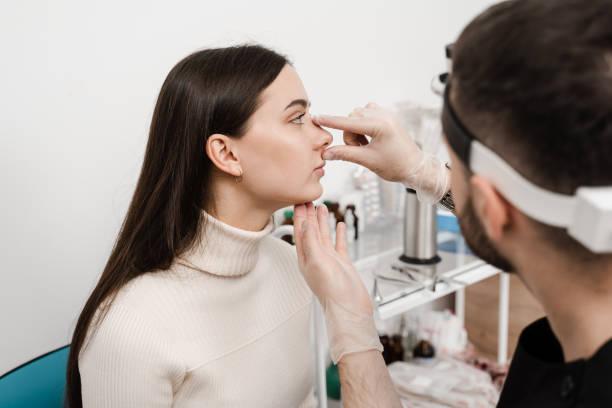
Hearing and nasal function are more closely connected than many people realize. Patients undergoing Rhinoplasty in Riyadh (عملية تجميل الأنف في الرياض) may occasionally notice temporary changes in ear pressure, muffled hearing, or a blocked-ear sensation during recovery. These sensations are commonly linked to the Eustachian tube, a small passage that connects the middle ear to the back of the nose and helps regulate ear pressure.
What Is the Eustachian Tube and Why It Matters
The Eustachian tube plays a vital role in maintaining balanced air pressure between the middle ear and the external environment. It opens during swallowing or yawning, allowing pressure to equalize. Because this tube connects directly to the nasal cavity, any swelling or congestion after rhinoplasty can temporarily affect its function.
Why Hearing Changes Can Occur After Rhinoplasty
After surgery, internal nasal swelling and congestion are part of the natural healing process. This swelling can reduce airflow near the opening of the Eustachian tube, leading to pressure imbalance. As a result, patients may experience mild hearing changes even though the ears themselves are not affected by the surgery.
Common Hearing-Related Sensations During Recovery
Ear Fullness or Pressure
A feeling of fullness in one or both ears is common and usually temporary.
Muffled or Dull Hearing
Sounds may feel slightly muted due to pressure imbalance in the middle ear.
Popping or Clicking Sensations
As swelling fluctuates, the Eustachian tube may open and close intermittently, causing popping sounds.
Sensitivity to Altitude Changes
Some patients notice ear pressure more clearly when traveling in elevators or during flights in early recovery.
How Rhinoplasty Techniques Protect Ear Function
Preservation of Nasal Pathways
Surgeons carefully maintain internal nasal structures to ensure proper airflow during healing.
Functional Rhinoplasty Approaches
When rhinoplasty includes correcting a deviated septum or nasal obstruction, Eustachian tube function may actually improve long term.
Controlled Swelling Management
Modern surgical techniques minimize trauma, helping reduce prolonged congestion that could affect ear pressure.
Post-Operative Care Planning
Surgeons provide guidance to support nasal decongestion and safe pressure regulation.
Timeline of Hearing Changes After Rhinoplasty
Early Recovery (Weeks 1–2)
-
Nasal congestion is at its peak
-
Ear fullness or pressure is most noticeable
-
Hearing changes are temporary and expected
Mid-Recovery (Weeks 3–6)
-
Swelling decreases
-
Eustachian tube function improves
-
Ear pressure gradually normalizes
Long-Term Healing (2–3 Months and Beyond)
-
Nasal airflow stabilizes
-
Hearing sensations return to baseline
-
Any functional improvements become noticeable
How to Support Eustachian Tube Function During Recovery
Gentle Swallowing Techniques
Swallowing helps activate the Eustachian tube naturally without strain.
Stay Hydrated
Proper hydration keeps mucous membranes healthy and supports pressure regulation.
Avoid Forceful Nose Blowing
Blowing the nose too hard can increase pressure and discomfort in the ears.
Use Surgeon-Approved Nasal Care
Saline sprays help reduce congestion and improve airflow safely.
Activities to Approach With Caution
Air Travel
Flying too soon after surgery may increase ear pressure discomfort.
Diving or Swimming
Water pressure changes should be avoided until healing is complete.
Intense Physical Activity
Strenuous exercise can temporarily increase swelling and pressure.
Sudden Altitude Changes
Rapid elevation shifts may intensify ear sensations during early recovery.
Emotional Impact of Temporary Hearing Changes
Experiencing hearing-related sensations can cause anxiety if unexpected. Understanding that these changes are temporary and related to healing helps patients remain calm and confident throughout recovery. Education and reassurance play a key role in emotional comfort.
When to Seek Medical Advice
While temporary hearing changes are common, persistent or worsening symptoms should be discussed with your surgeon. Ongoing discomfort, pain, or hearing loss beyond the normal healing window requires professional evaluation.
Book Your Consultation Today
If you are considering rhinoplasty and want expert guidance on functional recovery and sensory wellness, book your consultation at Royal Clinic Saudia (عيادات رويال كلينك). Their specialists in Rhinoplasty in Riyadh focus on comprehensive care that supports both aesthetic results and overall nasal and ear health.
FAQs:
Is it normal to feel ear pressure after rhinoplasty?
Yes, mild ear pressure is common and usually caused by temporary nasal swelling affecting the Eustachian tube.
Will rhinoplasty permanently affect my hearing?
No, hearing changes are typically temporary and resolve as healing progresses.
Can functional rhinoplasty improve ear pressure issues?
Yes, correcting nasal airflow problems may improve Eustachian tube function over time.
How long does it take for hearing sensations to normalize?
Most patients notice improvement within a few weeks, with full normalization in a few months.

 English
 Arabic
 French
 Spanish
 Portuguese
 Deutsch
 Turkish
 Dutch
Dutch
 Italiano
 Russian
 Portuguese (Brazil)
 Greek
Greek