


Oxcarb 300 Uses in Treating Partial-Onset Seizures | Oxcarbazepine 300 mg Guide (US Focus)
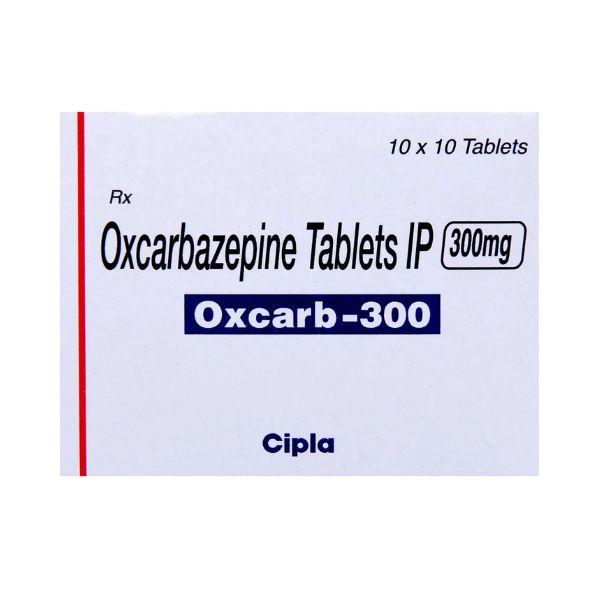
Oxcarb 300 — also known as Oxcarbazepine 300 mg — is a widely prescribed anticonvulsant medication used to manage partial-onset (focal) seizures in people with epilepsy and seizure disorders. It works by stabilizing abnormal brain activity and reducing the likelihood of seizure episodes. This guide is mainly targeted toward readers and patients in the United States, where Oxcarb 300 plays an important role in modern neurological care and epilepsy treatment planning.
Partial-onset seizures begin in one specific area of the brain but may remain localized or spread to other regions. Because these seizures can interfere with awareness, muscle control, memory, and daily functioning, effective treatment is critical. That is where medications such as Oxcarb 300 come in — helping many patients achieve better seizure control and improved quality of life.
In this comprehensive article, we’ll explore exactly how Oxcarb 300 is used, why doctors prescribe it, what to expect when taking it, and what safety factors patients should keep in mind.
Understanding Partial-Onset (Focal) Seizures
Before discussing the medication, it helps to understand the medical condition it treats.
Partial-onset seizures — now commonly called focal seizures — begin in one region of the brain. Depending on which brain area is affected, a person may experience:
-
twitching or jerking movements
-
sensory disturbances
-
sudden confusion or staring spells
-
unusual taste or smell
-
behavioral or emotional shifts
-
impaired awareness
Some focal seizures remain limited to that single brain area. Others may spread and become generalized seizures.
Because focal seizures can occur unpredictably, they may affect work, learning, driving, relationships, and safety. That’s why neurologists in the U.S. rely on evidence-based antiseizure medications — including Oxcarb 300 — to control abnormal brain signaling.
What Is Oxcarb 300?
Oxcarb 300 is a prescription anticonvulsant medication containing Oxcarbazepine 300 mg. It is part of the dibenzazepine class of antiseizure drugs and is closely related to carbamazepine — though it is often considered better tolerated and associated with fewer interactions in some patients.
Doctors prescribe Oxcarb 300 for:
partial-onset seizures in adults
partial-onset seizures in children (under medical supervision)
seizure control in newly diagnosed or long-term epilepsy patients
It may be used alone (monotherapy) or with other seizure medications (adjunct therapy) depending on the patient’s needs.
How Oxcarb 300 Works in the Brain
Seizures occur when groups of brain cells send excessive and uncontrolled electrical signals. Oxcarb 300 works by reducing this electrical over-activity.
More specifically, it:
blocks sodium channels in brain cells
prevents repetitive nerve firing
stabilizes brain signal transmission
reduces likelihood of abnormal electrical waves
This helps calm overactive neurons, decreasing the frequency and intensity of seizures.
While Oxcarb 300 does not cure epilepsy, it supports consistent neurological control — which is vital for long-term seizure management.
Oxcarb 300 Uses in Treating Partial-Onset Seizures
Oxcarb 300 is considered a first-line or add-on therapy for focal seizures, depending on the case. Here’s how it is commonly used:
1. First-Line Monotherapy in Partial-Onset Seizures
Doctors may prescribe Oxcarb 300 as the only medication in newly diagnosed patients with focal seizures.
Monotherapy is beneficial because it:
Reduces risk of drug-to-drug interactions
Simplifies dosing and adherence
Limits unnecessary side-effects
If seizure control is achieved with Oxcarb 300 alone, patients can maintain stability under medical supervision.
2. Add-On Treatment for Difficult-to-Control Seizures
Some patients require more than one antiseizure medication.
In these cases, Oxcarb 300 may be added to existing therapy. This approach is known as adjunctive treatment and is common in U.S. neurology practice for drug-resistant epilepsy.
Combining medications may:
Improve seizure frequency reduction
Stabilize brain activity
Expand seizure coverage
Doctors closely monitor response and adjust doses as needed.
3. Pediatric Seizure Treatment
Oxcarbazepine is also prescribed for children with partial-onset seizures, under the care of a pediatric neurologist.
Children with epilepsy require:
careful dose calculation
close safety monitoring
development-appropriate treatment planning
Oxcarb 300 has been shown to help many pediatric patients achieve improved seizure control — supporting safer daily functioning and learning.
Why Doctors in the U.S. Prescribe Oxcarb 300
There are practical reasons why Oxcarb 300 is a common choice in U.S. seizure care.
Advantages Include:
Clinically proven effectiveness
Useful alone or combined with other medications
Often better tolerated than some alternatives
Flexible dosing approaches
Long-term seizure stability potential
Many patients experience fewer seizure episodes — which may allow them to drive legally (when medically cleared), attend school, work, and live independently.
How Oxcarb 300 Is Taken
Oxcarb 300 is taken by mouth in tablet form. Your doctor will determine the right dosage based on:
age
seizure type
medical history
treatment response
Most treatment plans:
start low
increase gradually
stabilize once control is achieved
Patients must never increase, decrease, or stop doses suddenly without medical advice — because abrupt withdrawal may trigger seizures.
Possible Side Effects of Oxcarb 300
While many people tolerate Oxcarb 300 well, some may experience side effects.
Common Side Effects
-
dizziness or sleepiness
-
nausea
-
headache
-
unsteady balance
-
fatigue
-
blurred vision
These may improve as the body adjusts.
More Serious — Contact a Doctor if Experienced
skin rash or allergic reaction
very low sodium levels (hyponatremia)
confusion or mood changes
severe vomiting or fatigue
Your doctor may order blood tests to monitor sodium levels and organ function.
Who Should Use Caution with Oxcarb 300?
Extra monitoring may be needed if you:
have kidney or liver problems
are pregnant or breastfeeding
have low blood sodium
take multiple medications
have a history of severe allergic reactions
Always tell your healthcare provider all medications and supplements you take.
Important Safety Information (U.S.-Focused)
In the United States, Oxcarb 300 is a prescription-only medicine. Patients should:
follow dosing instructions carefully
attend regular check-ups
avoid abrupt discontinuation
never share the medication
avoid alcohol unless a doctor approves
Your neurologist may also recommend periodic lab testing.
Lifestyle Tips for Better Seizure Control
Medication works best when combined with healthy habits:
Maintain a regular sleep schedule
Manage stress
Avoid missing doses
Stay hydrated
Limit alcohol
Track seizure patterns
Carrying a medical alert tag or card can be helpful in case of emergencies.
Oxcarb 300 and Long-Term Seizure Management
For many people, seizure disorders are chronic conditions. Oxcarb 300 may be part of a long-term maintenance plan that supports consistent brain stability.
The goal is always:
fewer seizures
safer daily functioning
improved overall quality of life
Treatment success depends on open communication between patient and physician.
Frequently Asked Questions (FAQs)
1. What is Oxcarb 300 used for?
It is used to treat partial-onset (focal) seizures by stabilizing abnormal brain electrical activity.
2. Is Oxcarb 300 the same as Oxcarbazepine 300 mg?
Yes — Oxcarb 300 contains Oxcarbazepine 300 mg.
3. Does Oxcarb 300 cure epilepsy?
No. It controls seizures but does not cure epilepsy.
4. Can I stop taking Oxcarb 300 if I feel better?
No — stopping suddenly may trigger seizures. Always consult your doctor.
5. Can children take Oxcarb 300?
Yes, under pediatric neurological supervision.
6. What if I miss a dose?
Take it when remembered unless it’s close to the next dose. Do not double-dose.
7. Can I drink alcohol while taking Oxcarb 300?
Alcohol may increase sleepiness and seizure risk — ask your doctor first.
8. How long does Oxcarb 300 take to work?
Some people notice improvement within weeks, though full stabilization may take longer.
Final Thoughts
Oxcarb 300 (Oxcarbazepine 300 mg) is a key medication in the treatment of partial-onset seizures, helping stabilize abnormal brain activity and reduce seizure frequency. In the United States, it remains a trusted and widely prescribed anticonvulsant that supports long-term seizure control when used under proper medical supervision.
With the right treatment plan, education, and follow-up care, many patients can live safer, more confident, and more independent lives.

 English
 Arabic
 French
 Spanish
 Portuguese
 Deutsch
 Turkish
 Dutch
Dutch
 Italiano
 Russian
 Portuguese (Brazil)
 Greek
Greek