


Chemical Peels for Rosacea: Safe or Not?
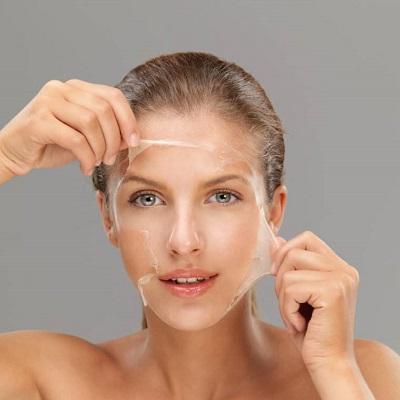
Rosacea is a sensitive, reactive skin condition that often brings flushing, visible blood vessels, redness, and sometimes acne-like bumps. Because it can make skin look uneven and irritated, many people search for treatments that promise smoother, calmer skin — including chemical peels.
But here’s the big question:
Are chemical peels for rosacea actually safe, or can they make things worse?
Let’s take a closer look at what happens during a peel, who it may help, and when you should avoid it.
What Is a Chemical Peel?
A chemical peel is a dermatology treatment that removes the outer layer of damaged skin using carefully controlled acids. This process encourages:
-
Faster cell turnover
-
Fresher, smoother skin
-
Reduced pigmentation and texture issues
Depending on the concern, dermatologists use light, medium, or deep peels. For rosacea, only gentle, superficial peels are usually considered — and even then, only for the right patient.
If you’re considering a chemical peel in Islamabad, always make sure it is performed by a doctor who understands rosacea, not just a general aesthetician.
How Chemical Peels Affect Rosacea-Prone Skin:
Rosacea skin is already:
-
Thin
-
Easily irritated
-
Prone to inflammation
-
Sensitive to heat, acids, fragrance, and scrubs
A peel adds controlled irritation to trigger renewal. On normal skin, that works beautifully. On rosacea skin, however, it can sometimes cause:
-
Prolonged redness
-
Burning or stinging
-
Flare-ups
-
Broken capillaries
-
Post-inflammatory hyperpigmentation
This doesn’t mean chemical peels are always unsafe — but they must be chosen and timed extremely carefully.
When Chemical Peels May Help Rosacea:
Under a dermatologist’s supervision, very mild peels may reduce issues such as:
Bumpy texture and clogged pores:
Some rosacea patients experience thickened skin or small bumps. Gentle peels can keep pores clear and smooth the surface.
Persistent dullness:
Superficial exfoliation can restore brightness without scrubbing — which is better for reactive skin.
Mild acne-rosacea overlap:
If you have breakouts plus redness, certain low-strength peels (like azelaic or lactic acid) may calm both.
The key is customization, not one-size-fits-all.
When Chemical Peels Are NOT Recommended:
Dermatologists usually avoid peels if you have:
-
Severe flushing or active rosacea flare
-
Broken or infected skin
-
Very sensitive, easily burning skin
-
A history of bad reactions to acids
-
Recent sunburn or aggressive skin treatments
If your rosacea is uncontrolled, a peel can make symptoms dramatically worse — sometimes for months.
In these situations, doctors first focus on calming the condition using medication, soothing skincare, and lifestyle changes.
The Safest Types of Peels for Rosacea:
If your dermatologist decides a peel could help, they usually choose the gentlest options:
-
Lactic acid (very mild) — hydrates while exfoliating
-
Mandelic acid — slow-penetrating, ideal for sensitive skin
-
Azelaic acid treatments — anti-inflammatory and rosacea-friendly
-
Very light glycolic acid — only in low strengths and doctor-supervised
Medium or deep peels are generally not suitable for rosacea patients.
Clinics such as reputable centers like royal cosmetic surgery focus on cautious, incremental approaches instead of aggressive peeling.
What to Expect During the Procedure:
Here’s what typically happens when rosacea patients receive a gentle peel:
-
Skin is cleansed and assessed again.
-
A mild peeling solution is applied briefly.
-
You may feel tingling or warmth.
-
The peel is neutralized and soothing products applied.
Most patients experience mild redness for a day or two and light flaking — not intense peeling.
However, if you ever feel burning or severe discomfort, the peel should be stopped immediately.
Possible Risks You Should Know:
Even gentle peels carry risks — particularly for rosacea:
-
Increased redness for days
-
Sensitivity to sun and skincare products
-
Temporary swelling
-
Pigmentation changes
-
Rare scarring if aftercare is ignored
Following post-treatment instructions is crucial to avoid problems.
Essential Aftercare for Rosacea Skin:
Your skin barrier needs extra love. Dermatologists usually recommend:
-
Fragrance-free cleanser
-
Rich, barrier-repair moisturizer
-
Broad-spectrum SPF 30+ every day
-
Avoiding scrubs or exfoliants for 2 weeks
-
No hot showers, saunas, or steam
-
Avoid spicy food and alcohol for a few days
Picking or peeling skin increases inflammation — so hands off!
How Much Does a Chemical Peel Cost?
The chemical peel cost varies depending on location, type of peel, and dermatologist expertise.
Generally, you’re paying for:
-
Professional evaluation
-
Customized solution
-
Safety monitoring
-
Aftercare guidance
Cheap peels or at-home kits may seem tempting, but they’re especially risky for rosacea.
Investing in a trained professional is always safer — and usually more effective.
Are Chemical Peels the Best Choice for Rosacea?
Not always. Many patients do better with:
-
Prescription creams (metronidazole, azelaic acid, ivermectin)
-
Laser therapies for redness and vessels
-
Oral medication in severe cases
-
Gentle skincare routines
A peel may be used occasionally as part of a broader plan — not as the main treatment.
Final Verdict: Safe or Not?
Chemical peels for rosacea can be safe — but only in specific situations and only when supervised by an experienced dermatologist.
They may help mild texture issues and dullness, but they can also trigger flares if misused. If you’re considering a chemical peel in Islamabad, schedule a consultation first so your doctor can assess your skin and discuss realistic expectations.

 English
 Arabic
 French
 Portuguese
 Deutsch
 Turkish
 Dutch
Dutch
 Italiano
 Russian
 Romaian
 Portuguese (Brazil)
 Greek
Greek