


Spot Welding: Essential Insights for Modern Manufacturing
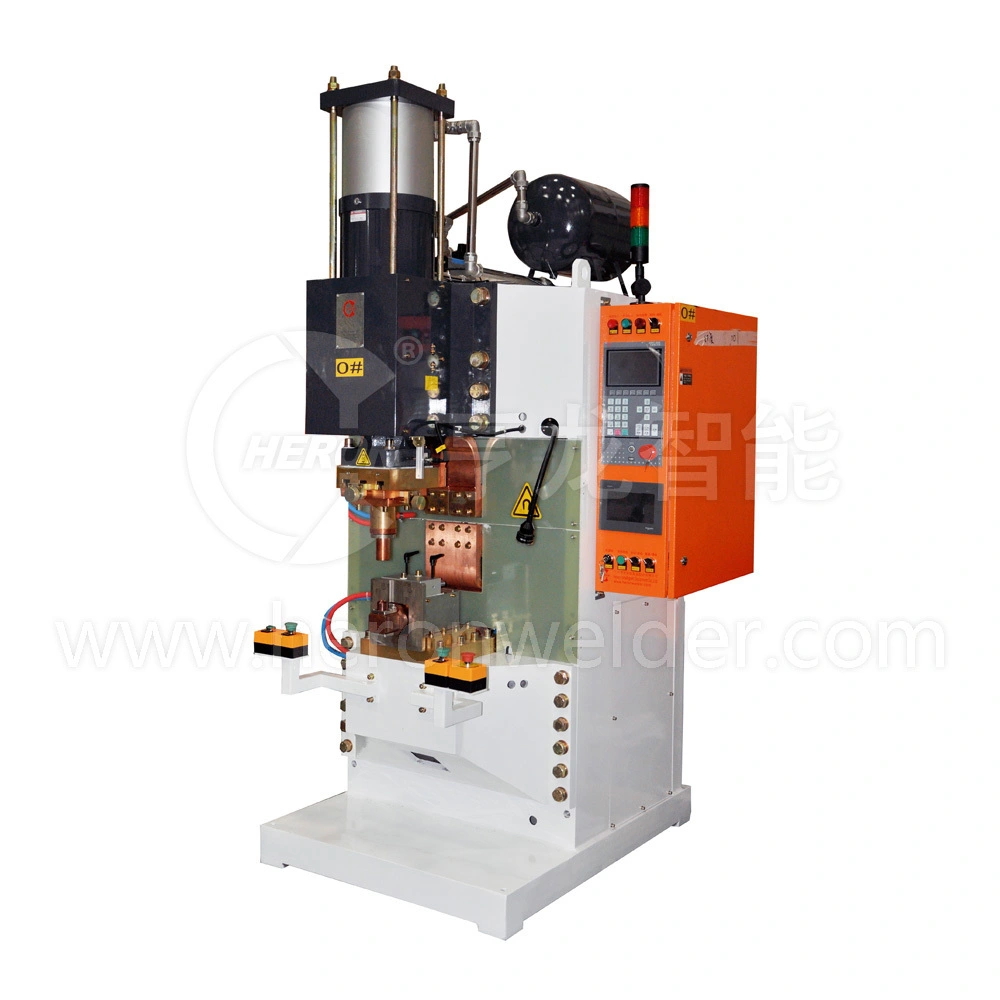
In today’s competitive manufacturing landscape, efficiency, precision, and reliability are paramount. Spot welding has emerged as a cornerstone technique for joining metals quickly and effectively, especially in automotive, aerospace, electronics, and appliance manufacturing. At Heron Welder, we provide advanced resistance welding machines and automated solutions that empower engineers and OEMs to achieve consistent, high-quality results while optimizing production workflows.
This guide explores spot welding principles, applications, machine types, best practices, and why partnering with Heron ensures industry-leading performance.
What is Spot Welding?
Spot welding is a form of resistance welding where two or more metal sheets are joined at small, discrete points, or "spots," by applying heat generated from electrical resistance. The process involves:
-
Clamping the metal sheets between electrodes.
-
Passing an electric current through the contact points.
-
Generating heat due to resistance, causing the metal to melt locally.
-
Applying pressure to form a strong, precise weld upon cooling.
Spot welding is highly suitable for thin sheets of steel and aluminum, making it a go-to method for automotive body panels, electronic enclosures, and other high-volume manufacturing applications.
How Spot Welding Works: The Science Behind It
The efficiency of spot welding relies on resistance heating. The electrodes concentrate current at a small area, creating enough heat to form a weld nugget without affecting surrounding material. Key factors include:
-
Current intensity: Determines the heat generated. Higher current produces stronger welds but risks material burn-through.
-
Electrode pressure: Ensures proper fusion and reduces spatter.
-
Weld time: Must be precisely controlled for consistent quality.
Modern MFDC (Medium Frequency Direct Current) spot welding machines allow for precise current and timing control, making them ideal for automated production lines. Heron’s MFDC spot welders deliver energy-efficient, repeatable welds suitable for thin and medium-gauge metals.
Applications of Spot Welding
Spot welding is widely used across various industries:
Automotive Manufacturing
From car body panels to chassis components, spot welding is crucial for high-speed assembly in automotive lines. Heron’s automated spot welding systems integrate seamlessly with robotics to deliver consistent weld quality in large-scale production.
Electronics and Appliances
Spot welding ensures reliable assembly of metal enclosures, battery packs, and heating elements, providing strong mechanical and electrical connections.
Aerospace and Lightweight Metals
Heron spot welders handle aluminum and other lightweight alloys efficiently, supporting aerospace manufacturers who need precision and minimal thermal distortion.
Heavy Industrial Applications
For machinery frames and structural components, spot welding delivers fast, secure joining while reducing the need for additional fasteners or adhesives.
Spot Welding vs. Other Welding Methods
Understanding how spot welding compares to alternative techniques helps manufacturers choose the right method for their application.
| Welding Type | Strengths | Limitations |
|---|---|---|
| Spot Welding | Fast, repeatable, minimal material distortion | Limited to thin sheets, point-based |
| Seam Welding | Creates continuous welds for leak-proof joints | Slower than spot welding |
| MIG/TIG Welding | Suitable for thicker materials, versatile | Slower, more labor-intensive |
| Laser Welding | High precision, minimal thermal input | High equipment cost, complex setup |
Heron offers integrated welding solutions, including spot, seam, and capacitor discharge welding, allowing manufacturers to select the best method for their production requirements while benefiting from automated controls and process monitoring.
Best Practices for Spot Welding
Achieving consistent, high-quality welds requires attention to both equipment and process parameters:
-
Electrode maintenance: Regularly dress electrodes to maintain optimal contact.
-
Material preparation: Clean, oxide-free surfaces reduce electrical resistance variations.
-
Correct parameters: Adjust current, time, and pressure based on sheet thickness and material type.
-
Automation: Integrate robotic arms for repeatable placement, reducing human error.
-
Monitoring and quality control: Use real-time data logging and weld nugget inspection for traceability.
Heron’s automated spot welding lines come with advanced controls and software integration, enabling manufacturers to standardize processes across high-volume production.
Why Choose Heron for Spot Welding Solutions
Heron Welder has decades of experience in resistance welding technology and industrial automation. Key advantages include:
-
Comprehensive equipment range: From MFDC spot welders to capacitor discharge systems.
-
Customization for OEM needs: Machines configured for sheet thickness, alloy type, and production volume.
-
Integrated automation: Robotic welding lines, controllers, and monitoring systems.
-
Global support network: Ensuring installation, training, and after-sales service wherever your factory operates.
Partnering with Heron ensures reliable performance, reduced production downtime, and improved weld quality, making your investment in spot welding technology future-proof.
Frequently Asked Questions (FAQs)
Q1: Can spot welding be used for aluminum sheets?
Yes, modern MFDC spot welders are optimized for aluminum alloys, providing precise control to avoid burn-through and ensure strong welds.
Q2: What thickness of metal is ideal for spot welding?
Spot welding is most effective for sheets ranging from 0.5 mm to 6 mm, depending on material type and machine capabilities.
Q3: How is spot welding different from seam welding?
Spot welding joins metal at discrete points, whereas seam welding creates a continuous weld line, ideal for liquid-tight joints.
Q4: Is automation necessary for spot welding?
Automation improves repeatability, speed, and safety, especially in high-volume production, but small-scale manual spot welders are available for workshops.
Q5: How do I maintain spot welding electrodes?
Regular cleaning, dressing, and correct alignment help maintain weld quality and extend electrode life.
Conclusion
Spot welding is an essential technique for modern manufacturing, offering speed, precision, and reliability in joining metals. From automotive and aerospace to electronics and industrial applications, Heron’s advanced welding machines and automated lines empower manufacturers to optimize production, reduce defects, and maintain consistent quality.
Ready to upgrade your welding capabilities? Contact Heron Welder today to discuss customized spot welding solutions, automated production lines, and expert support tailored to your factory’s needs.

 English
 Arabic
 French
 Portuguese
 Deutsch
 Turkish
 Dutch
Dutch
 Italiano
 Russian
 Romaian
 Portuguese (Brazil)
 Greek
Greek