


Sleeping Comfortably After Breast Reduction
Sleep plays a vital role in healing after any surgical procedure, and breast reduction surgery is no exception. Proper rest supports tissue repair, reduces swelling, and improves overall recovery. However, sleeping comfortably after breast reduction can feel challenging during the early healing phase. Understanding the best sleeping positions, supportive tools, and practical strategies can make a significant difference in comfort and recovery.
Why Sleep Is Important After Breast Reduction:
Quality sleep allows the body to repair surgical sites, regulate inflammation, and restore energy levels. Poor sleep, on the other hand, can slow healing, increase discomfort, and elevate stress levels.
Patients considering Breast reduction in Islamabad are often advised that proper sleep habits after surgery are just as important as following medication and wound-care instructions.
The Best Sleeping Position After Breast Reduction:
The most recommended sleeping position after breast reduction surgery is on your back, with your upper body slightly elevated. This position minimizes pressure on the chest, reduces swelling, and prevents strain on incisions.
Benefits of back sleeping include:
-
Improved blood circulation
-
Reduced tension on sutures
-
Lower risk of incision irritation
-
Better overall comfort
Using pillows to support the arms and head helps maintain this position throughout the night.
Why Side and Stomach Sleeping Should Be Avoided:
Side and stomach sleeping place direct pressure on healing breast tissue. These positions can increase pain, disrupt incisions, and slow recovery.
During the first few weeks:
-
Side sleeping may cause uneven pressure
-
Stomach sleeping can strain surgical areas
-
Rolling during sleep may cause discomfort
Most surgeons recommend avoiding these positions until healing is well underway.
Elevation and Pillow Support Techniques:
Elevation is key to sleeping comfortably after breast reduction. Raising the upper body by 30 to 45 degrees helps reduce swelling and improves breathing comfort.
Helpful pillow techniques include:
-
A wedge pillow under the back
-
Two or three pillows supporting the head and shoulders
-
Pillows on each side to prevent rolling
Proper support keeps the body stable and reduces nighttime discomfort.
Wearing a Surgical Bra While Sleeping:
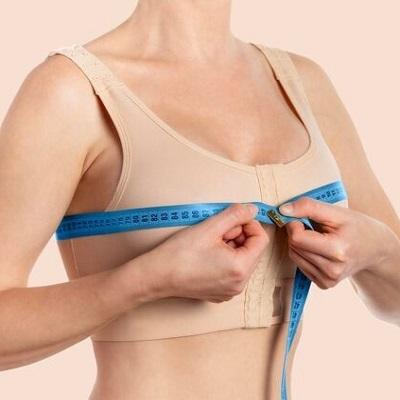
A surgical or compression bra provides gentle support during sleep, helping reduce swelling and protect healing tissues. Wearing the recommended bra at night keeps breasts in a stable position and minimizes movement.
Benefits of wearing a surgical bra during sleep:
-
Reduced swelling
-
Less pulling on incisions
-
Improved comfort
-
Better shaping during healing
Always follow your surgeon’s guidance on how long to wear the bra at night.
Managing Nighttime Pain and Discomfort:
Some discomfort at night is normal during early recovery. Pain often peaks within the first few days and gradually improves.
To manage nighttime discomfort:
-
Take prescribed pain medication as directed
-
Avoid heavy meals before bed
-
Maintain a consistent sleep schedule
-
Keep your bedroom cool and quiet
Never skip medications or adjust dosage without medical advice.
How Long Does Sleep Discomfort Last?
Sleep disturbances are usually temporary. Most patients find that:
-
The first week is the most uncomfortable
-
Significant improvement occurs by week two
-
Side sleeping may resume after several weeks
Individual recovery times vary, but comfort steadily improves as swelling decreases and tissues heal.
Tips for Better Sleep Quality During Recovery:
Improving sleep quality helps both physical healing and emotional well-being.
Helpful tips include:
-
Establish a relaxing bedtime routine
-
Avoid screens before sleeping
-
Practice deep breathing or light meditation
-
Stay hydrated but limit fluids before bed
These habits support deeper, more restorative sleep.
Adjusting Sleep Habits as Healing Progresses:
As recovery advances, sleeping positions can gradually be adjusted. Many patients transition from elevated back sleeping to flat back sleeping before returning to side sleeping.
Always wait for your surgeon’s approval before changing positions. Moving too quickly can cause unnecessary discomfort or complications.
Emotional Comfort and Sleep:
Surgery can temporarily affect sleep due to anxiety or emotional stress. Feeling informed and prepared often reduces nighttime worry.
Understanding that:
-
Temporary discomfort is normal
-
Healing improves daily
-
Results will enhance comfort long-term
can provide reassurance and improve sleep quality.
Long-Term Sleep Benefits After Breast Reduction:
Once healing is complete, many women report improved sleep quality compared to before surgery. Reduced breast weight allows more comfortable sleeping positions and less nighttime discomfort.
Long-term sleep benefits include:
-
Easier side and back sleeping
-
Reduced chest pressure
-
Improved breathing comfort
-
Better overall rest
These improvements contribute to enhanced quality of life.
Choosing Expert Care for a Smooth Recovery:
Sleeping comfortably after breast reduction depends on proper surgical technique and clear post-operative guidance. An experienced clinic provides personalized instructions that support both healing and comfort.
In the final step of your recovery journey, choosing a trusted provider like Royal cosmetic surgery clinic ensures expert care, detailed recovery guidance, and long-term results that support comfort, health, and confidence.

 Arabic
 French
 Spanish
 Portuguese
 Deutsch
 Turkish
 Dutch
Dutch
 Italiano
 Russian
 Romaian
 Portuguese (Brazil)
 Greek
Greek