


What Factors Determine Concrete Sidewalk Repair Costs?
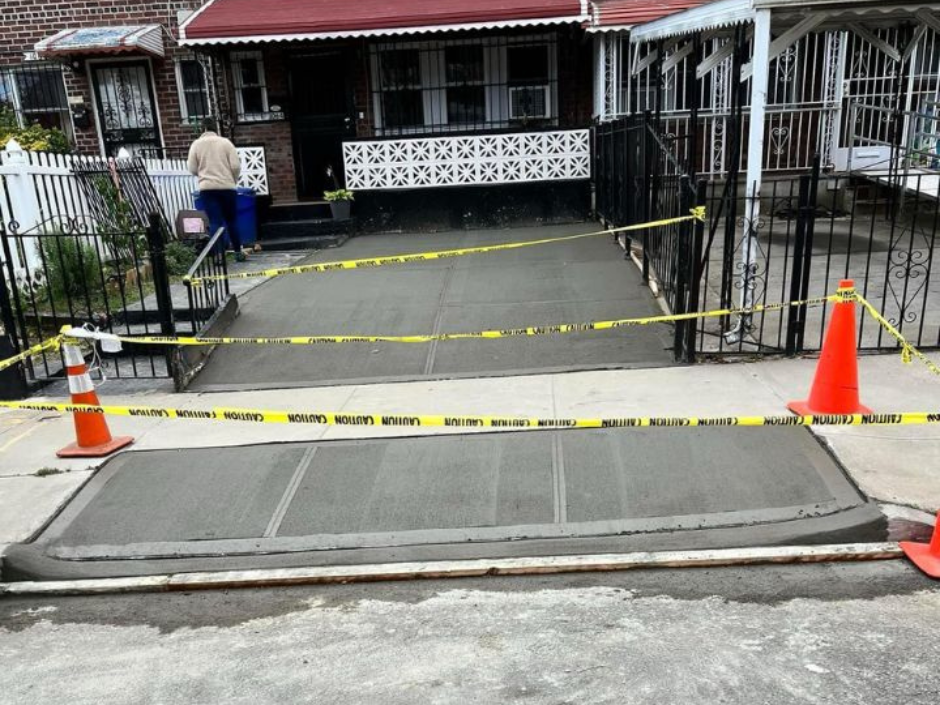
Concrete sidewalks are an essential part of any property, offering safe and smooth pathways for pedestrians. Over time, however, these sidewalks can suffer from cracks, uneven surfaces, or other types of damage that compromise both safety and appearance. Understanding the factors that influence concrete sidewalk repair costs can help property owners make informed decisions and plan their budgets effectively.
1. Extent of Damage
The primary factor affecting concrete sidewalk repair costs is the extent of damage. Minor cracks or surface chips may only require small patch repairs, which are generally less expensive. On the other hand, extensive cracking, sunken areas, or large sections of damaged sidewalk may require complete removal and replacement.
-
Minor cracks: Often cosmetic, can be filled or sealed.
-
Moderate damage: May require partial slab replacement.
-
Severe damage: Full sidewalk replacement or leveling may be necessary.
2. Size of the Sidewalk
The length and width of the sidewalk significantly affect repair costs. A short 10-foot pathway will cost considerably less than a long stretch running along the front of a property. Additionally, wider sidewalks or commercial pathways require more materials and labor.
-
Residential sidewalks: Typically smaller and easier to repair.
-
Commercial sidewalks: Larger, heavier foot traffic, often requiring stronger materials.
3. Type of Repair Needed
Not all sidewalk repairs are the same. The type of repair required can dramatically impact costs:
-
Crack Filling & Sealing: Affordable, suitable for minor cosmetic cracks.
-
Partial Slab Replacement: Medium-cost option for localized damage.
-
Full Replacement: High-cost solution for extensive damage or uneven sidewalks.
Choosing the right repair method ensures longevity while preventing unnecessary expenses.
4. Accessibility & Labor
The accessibility of the sidewalk and the complexity of the repair process influence labor costs. Sidewalks in tight spaces, near trees, or in areas with obstacles may require more labor-intensive methods. Labor costs also vary depending on the region and the contractor’s expertise.
-
Hard-to-reach sidewalks may require specialized equipment.
-
Experienced contractors can complete repairs more efficiently, potentially saving money in the long run.
5. Material Quality
The quality of concrete and materials used can impact both the initial repair cost and long-term durability. High-quality concrete and reinforcement materials may cost more upfront but reduce the likelihood of recurring repairs.
-
Standard concrete: Economical, suitable for basic sidewalks.
-
High-strength or decorative concrete: Higher cost, enhanced durability and aesthetics.
6. Local Regulations and Permits
In many cities, including NYC, property owners must comply with local regulations when repairing sidewalks. This may include obtaining permits or adhering to city standards. Failing to comply can lead to fines, increasing the total repair cost.
-
DOT-approved repair methods may be required.
-
Commercial properties may have stricter requirements than residential ones.
7. Seasonal Considerations
Weather can affect both repair costs and scheduling. Repairs done during cold or wet months may require additional materials or precautions, slightly increasing expenses. Planning repairs during optimal weather can save money and ensure quality results.
-
Winter repairs: May require heated equipment or additives.
-
Spring/Summer: Ideal for curing and long-lasting results.
8. Hiring a Professional Contractor
Hiring a reputable contractor like Eden Pro Contractors ensures your sidewalk repair is performed efficiently, safely, and according to city standards. While hiring professionals may have higher upfront costs than DIY repairs, it prevents mistakes that could lead to expensive future repairs.
-
Professional assessment identifies underlying issues.
-
Proper tools and techniques extend the sidewalk’s lifespan.
Conclusion
The cost of concrete sidewalk repair depends on multiple factors, including the damage’s extent, sidewalk size, repair type, labor, material quality, regulations, and seasonal considerations. Investing in professional services ensures safety, compliance, and long-lasting results. Proper planning and early action can help property owners save money in the long term while maintaining a safe and attractive walkway.
If your sidewalk shows signs of damage or cracks, contact us today to get an expert assessment and a free estimate.
FAQs
Q1: How much does it cost to repair a small crack in a sidewalk?
Ans: Minor cracks typically cost less and can range from $50 to $150 depending on size and location.
Q2: Can I repair my sidewalk myself?
A2: Small cracks can be DIY, but large or structural damage should be handled by professionals to ensure safety and compliance.
Q3: How long does a concrete sidewalk repair last?
Ans: With proper materials and professional installation, repairs can last 15–25 years or more.
Q4: Do I need a permit to repair my sidewalk in NYC?
Ans: Yes, many city areas require permits or adherence to DOT guidelines. Professional contractors can manage this process for you.
Q5: Why should I hire Eden Pro Contractors for sidewalk repair?
Ans: Eden Pro Contractors offers expert assessments, professional installation, compliance with city regulations, and durable repair solutions.

 English
 French
 Spanish
 Portuguese
 Deutsch
 Turkish
 Dutch
Dutch
 Italiano
 Russian
 Romaian
 Portuguese (Brazil)
 Greek
Greek