


The Essential Guide to OT Table Mats and Surgical Gel Pads
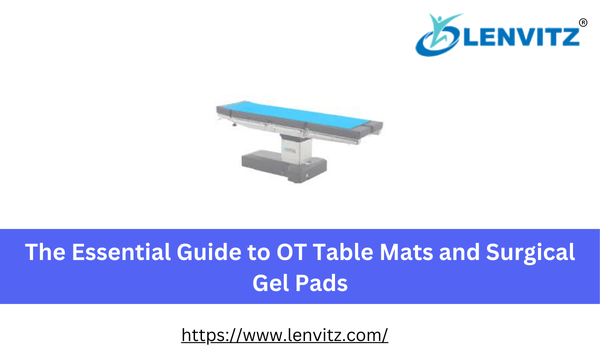
When it comes to surgical success, most people think about the surgeon’s skill or the high-tech robotics in the room. However, behind the scenes, patient positioning is just as critical. Whether it is a quick procedure or a ten-hour marathon, ensuring the patient is comfortable and protected from pressure sores is paramount.
This is where specialized equipment like the OT table mat and medical-grade gel pads come into play. In this guide, we’ll explore how these tools protect patients and why they are non-negotiable in the modern operating theatre.
Why Pressure Management Matters in Surgery
During surgery, patients are often immobilized for long periods. Unlike when we sleep and naturally toss and turn, a sedated patient cannot shift their weight to relieve pressure. Constant pressure on bony prominences can lead to nerve damage or "bedsores" (pressure ulcers) in a matter of hours.
An OT table mat made of high-quality silicone or viscoelastic polymer acts as a secondary skin. It redistributes weight across a larger surface area, significantly reducing the risk of tissue breakdown.
Specialized Support: Prone Position Gel Pads
Certain surgeries—specifically those involving the spine, the back of the legs, or the posterior cranium—require the patient to lie face down. This is known as the prone position.
The prone position is particularly risky because it puts immense pressure on the chest, abdomen, and face. Using prone position gel pads is the industry standard for mitigating these risks. These pads are designed to:
-
Protect the face and eyes: Preventing ocular pressure and skin abrasions.
-
Support the chest: Allowing for better respiratory expansion while protecting the ribs and sternum.
-
Maintain Neutral Alignment: Ensuring the neck and spine stay in a safe position to prevent post-operative stiffness or injury.
Don't Forget the Extremities: The Arm Rest Gel Pad
While the torso and head get a lot of attention, the arms are highly susceptible to nerve injuries, particularly the ulnar nerve. If an arm is tucked or extended on a hard surface, the patient may wake up with numbness or permanent loss of function.
The Arm Rest Gel Pad provides a soft, contoured cushion that cradles the limb. By using an Arm Rest Gel Pad, surgical teams ensure that the patient’s nerves are "floated" and protected from the hard edges of the surgical table attachments.
The Benefits of Using Medical-Grade Gel Pads
Why choose gel pads over traditional foam? Here are the primary reasons:
-
Durability: Unlike foam, which compresses and loses its shape over time, gel retains its integrity.
-
Hygiene: Gel pads are typically non-porous and easy to disinfect, making them ideal for the sterile environment of an OR.
-
Temperature Regulation: High-quality gel pads help in maintaining the patient's body temperature, preventing both overheating and hypothermia.
-
Cost-Effective: Because an OT table mat made of gel can be reused for years, it offers a better return on investment than disposable foam positioners.
Conclusion: Small Tools, Big Impact
The use of an OT table mat, Arm Rest Gel Pad, and specialized prone position gel pads represents a commitment to "Patient First" care. By investing in these tools, hospitals reduce the risk of surgical complications, leading to better recovery times and higher patient satisfaction.
If you are a healthcare provider or a facility manager, ensuring your OR is stocked with the right gel pads is one of the simplest ways to improve surgical outcomes.

 English
 Arabic
 French
 Spanish
 Portuguese
 Turkish
 Dutch
Dutch
 Italiano
 Russian
 Romaian
 Portuguese (Brazil)
 Greek
Greek