


Precision in the OR: The Ultimate Guide to Head Gel Pads and Rings
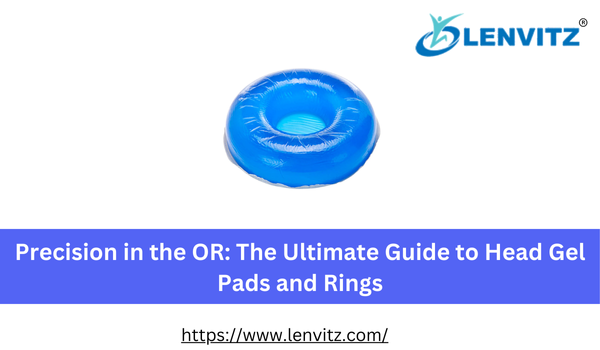
In the delicate world of surgical procedures, the difference between a perfect outcome and a post-operative complication often lies in the smallest details. One of the most overlooked yet vital components of patient safety is cranial support. Whether a patient is undergoing a brief diagnostic procedure or a complex spinal surgery, tools like the Head Gel Pad and the silicon head ring are essential for protecting the patient from pressure-related injuries.
Understanding how a prone head rest or a specialized head ring works can help both medical professionals and patients appreciate the high level of care that goes into every surgical setup.
Why Head Positioning is Critical in Surgery
The human head is heavy and its weight is naturally concentrated on small areas of the skull when lying flat. During surgery, anesthesia prevents a patient from feeling discomfort or shifting their weight. This prolonged, unrelieved pressure can lead to:
-
Pressure Alopecia: Temporary hair loss due to restricted blood flow to the scalp.
-
Nerve Compression: Damage to the occipital or facial nerves.
-
Skin Breakdown: The formation of painful pressure ulcers on the ears or back of the head.
A medical-grade Head Gel Pad is engineered to distribute this weight across a wider surface area, mimicking the body's natural fat tissue to provide a protective, "floating" effect.
The Benefits of Using a Silicon Head Ring
For surgeries where the patient is in the supine (face-up) position, the silicon head ring is the gold standard. Unlike traditional foam, which can be rigid or lose its shape, a silicon head ring offers several unique advantages:
-
Neutral Alignment: It cradles the occiput (the back of the skull) while keeping the cervical spine in a neutral position, preventing neck strain.
-
Stability: The ring design ensures the head does not tilt or roll during high-precision movements, such as in ophthalmic or neurosurgery.
-
Durability: A silicon head ring is non-porous and highly durable. It won't leak or bottom out, and it can be easily sterilized for reuse, making it both eco-friendly and cost-effective for hospitals.
Safety in the Face-Down Position: The Prone Head Rest
When surgery requires the patient to be face-down, the stakes are even higher. The Prone Position puts intense pressure on the forehead, chin, and eyes. This is where a specialized prone head rest becomes indispensable.
A high-quality prone head rest is typically U-shaped or contoured with specific cutouts. This design serves two critical functions:
-
Airway Management: It provides ample space for anesthetic tubes and ensures the patient can breathe freely without obstruction.
-
Ocular Protection: By supporting the forehead and cheeks, the prone head rest ensures that zero pressure is placed on the eyes, preventing serious complications like ocular hypertension.
Conclusion: Investing in Patient Safety
The shift from foam to gel-based technology has revolutionized the operating room. From the foundational Head Gel Pad to the specialized prone head rest, these tools ensure that "successful surgery" means the patient wakes up without unnecessary pain or injury. By utilizing a silicon head ring or a contoured head ring, healthcare providers demonstrate a commitment to the highest standards of patient-centered care.

 Arabic
 French
 Spanish
 Portuguese
 Deutsch
 Turkish
 Dutch
Dutch
 Italiano
 Russian
 Romaian
 Portuguese (Brazil)
 Greek
Greek