


How Many Solar Sun Hours Does Your State Really Get?
Last summer, a homeowner named Mark stood in his backyard staring at his newly installed solar panels. His installer had promised great savings, yet Mark’s energy bill barely dropped. Confused, he began digging through data, asking himself one simple question: How Many Solar Sun Hours Does Your State Really Get? That question led him into the world of solar science—one where actual sunlight varies drastically from state to state, and where understanding those “sun hours” can be the difference between real savings and disappointment.
Mark quickly realized that it wasn’t the size of his system that failed him—rather, it was the misunderstood number of peak sun hours his state receives. His story mirrors thousands of homeowners trying to decide if solar is truly worth it. And for all of them, the journey begins with one critical measurement: peak sun hours.
What Peak Sun Hours Mean
Peak sun hours don’t refer to sunrise-to-sunset daylight. Instead, they measure how many hours of intense, usable sunlight your panels receive—sunlight strong enough to produce maximum output. One peak sun hour equals 1,000 watts of solar energy per square meter.
That means a state with 6 peak sun hours produces nearly double the daily energy of a state with only 3. Your location doesn't just influence solar—it defines it.
State-by-State Sun Hour Variation
High Sun Hour States
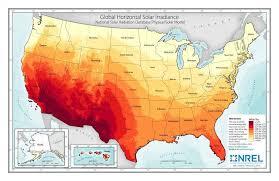
States like Arizona, Nevada, New Mexico, and California rank highest with 6–8 peak sun hours per day. These regions offer ideal solar environments, generating massive value even with smaller systems.
Moderate Sun Hour States
Areas such as Texas, Colorado, Florida, and Georgia receive 4–6 peak sun hours, providing reliable and consistent energy production—perfect for long-term homeowners interested in ROI.
Low Sun Hour States
The Northeast and Midwest, including New York, Illinois, Ohio, and Washington, typically receive 2.5–4 peak sun hours. Solar still works here, but system size and battery considerations matter more.
Factors That Change Sun Hours
Climate and Weather
Cloud cover, humidity, and seasonal shifts influence the intensity of sunlight. For example, coastal states may have strong summers but cloudy winters.
Geography and Elevation
Areas at higher elevations—like Colorado—receive more intense sunlight even with cooler temperatures.
Shading and Local Conditions
Trees, nearby structures, and roof orientation can reduce a home’s usable sun hours even in high-sun states.
How to Check Your State’s Sun Hours
Reliable Tools for Homeowners
You can use trusted solar databases such as:
- NREL PVWatts Calculator
- Global Solar Atlas
- National Solar Radiation Database (NSRDB)
Each tool allows you to enter your address and receive an accurate breakdown of daily, monthly, and annual sun hour averages.
Average Sun Hours by Region
- Southwest: 6–8
- West Coast: 4–6
- Midwest: 3.5–5
- Northeast: 2.5–4
- Southeast: 4–5.5
Understanding these numbers helps you estimate production, system size, and potential savings with greater precision.
Why Sun Hours Matter for Solar ROI
Sizing Your Solar System
A low-sun-hour state often needs a bigger system to produce the same energy that a high-sun-hour state produces with fewer panels.
Battery Storage Planning
Regions with low sun hours benefit more from batteries because excess energy storage becomes essential for nighttime or cloudy periods.
Installation Strategy
Proper tilt angle, south-facing placement, and shading analysis become increasingly important in states with fewer sun hours.
How Many Solar Sun Hours Does Your State Really Get?
This question becomes the foundation of your entire solar strategy. Whether you’re trying to reduce bills, achieve energy independence, or install a backup-ready system, sun hours determine the system's performance. Now that you understand the importance, you can make smarter and more confident solar decisions.
Conclusion
At the heart of every solar investment lies one crucial metric: How Many Solar Sun Hours Does Your State Really Get? Just like Mark discovered, understanding peak sun hours empowers you to predict production, optimize system size, and unlock true solar savings.
Whether you live under the blazing desert sun or beneath cloudier northern skies, the right insight and design can transform solar into a powerful long-term asset. And now, you have the clarity you need to make the smartest choice for your home and energy future

 Arabic
 French
 Spanish
 Portuguese
 Deutsch
 Turkish
 Dutch
Dutch
 Italiano
 Russian
 Romaian
 Portuguese (Brazil)
 Greek
Greek