


Why Hydraulic Consultants Are Essential for Effective Stormwater Drainage Design
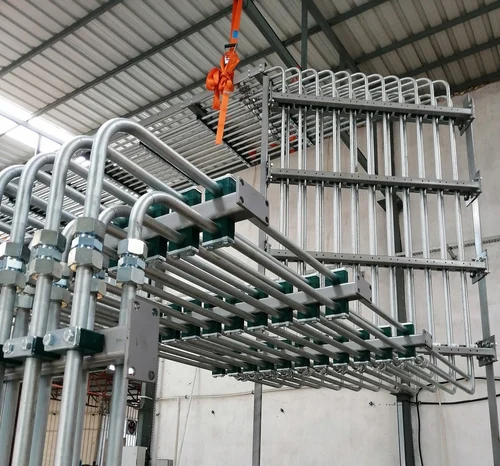
Stormwater drainage design is a critical component of modern construction projects. With increasing urban development and changing weather patterns, managing rainwater efficiently has become more complex than ever. Poor stormwater drainage can lead to flooding, structural damage, environmental harm, and costly compliance issues. This is why hydraulic consultants play an essential role in delivering effective, reliable, and compliant stormwater drainage systems.
Hydraulic consultants bring technical expertise, regulatory knowledge, and practical design solutions that ensure stormwater systems perform as intended throughout a building’s lifecycle.
Understanding Stormwater Drainage Design
Stormwater drainage design involves planning systems that collect, control, and safely discharge rainwater from roofs, paved areas, and open spaces. The goal is to prevent water from accumulating around buildings while protecting surrounding infrastructure and the environment.
Effective stormwater drainage must account for rainfall intensity, site conditions, building layout, and local regulations. These factors make stormwater design far more complex than simply installing pipes and drains.
Who Are Hydraulic Consultants?
Hydraulic consultants are engineering professionals who specialize in water-related systems, including stormwater, sewer, water supply, and trade waste design. They use hydraulic calculations, modelling tools, and industry standards to design systems that manage water safely and efficiently.
Their role extends beyond design. Hydraulic consultants also coordinate with architects, engineers, and authorities to ensure systems are compliant, buildable, and cost-effective.
Why Stormwater Drainage Requires Professional Expertise
Stormwater drainage systems must handle varying rainfall conditions while preventing overflow and flooding. Incorrect design can overwhelm drainage networks, damage buildings, and create safety hazards.
Hydraulic consultants provide:
- Accurate flow and capacity calculations
- Proper pipe sizing and system layout
- Flood risk assessment and mitigation
- Integration with site and building design
This level of expertise is essential to prevent failures and ensure long-term performance.
Managing Complex Site Conditions
Every construction site presents unique challenges. Soil type, slope, surface coverage, and surrounding infrastructure all influence stormwater behaviour. Hydraulic consultants assess these conditions and tailor drainage solutions accordingly.
For example, sites with poor soil drainage may require detention tanks or controlled discharge systems, while sloped sites need careful grading to prevent erosion. Without professional input, these factors are often overlooked, leading to costly issues later.
Ensuring Compliance with Regulations
Stormwater drainage systems must comply with local council requirements, Australian Standards, and environmental regulations. Approval processes often involve detailed hydraulic calculations and documentation.
Hydraulic consultants understand these regulatory frameworks and ensure designs meet all compliance requirements. Their involvement reduces approval delays and avoids redesigns that can disrupt project timelines.
Preventing Flooding and Property Damage
One of the primary goals of stormwater drainage design is flood prevention. Hydraulic consultants use modelling techniques to predict how water will flow during heavy rainfall events.
By designing systems that manage peak flow rates and provide adequate storage, hydraulic consultants help protect buildings, roads, and landscapes from flooding. This proactive approach reduces repair costs and improves site safety.
Improving System Efficiency and Performance
Efficient stormwater drainage systems are designed to move water quickly and safely without overwhelming infrastructure. Hydraulic consultants optimize system performance by considering gradients, pipe materials, and flow control devices.
Their designs minimize blockages, reduce maintenance needs, and ensure consistent performance over time. This efficiency is particularly important in commercial and high-density developments.
Supporting Sustainable Stormwater Solutions
Modern construction increasingly focuses on sustainability, and stormwater management plays a key role. Hydraulic consultants incorporate environmentally responsible solutions such as rainwater harvesting, infiltration systems, and water reuse strategies.
These sustainable designs help reduce runoff, protect natural waterways, and conserve water resources. They also support green building standards and improve long-term environmental outcomes.
Coordinating with Other Design Disciplines
Stormwater drainage design does not exist in isolation. It must integrate seamlessly with architectural, structural, and civil engineering elements. Hydraulic consultants work closely with other professionals to avoid design conflicts and optimize layouts.
This coordination improves construction efficiency, reduces on-site changes, and ensures all systems work together harmoniously.
Reducing Long-Term Costs and Maintenance Issues
Poor stormwater drainage design often leads to frequent blockages, repairs, and system failures. Hydraulic consultants focus on durability and maintenance access, ensuring systems remain functional throughout the building’s lifespan.
By investing in professional design upfront, property owners can significantly reduce long-term maintenance costs and operational disruptions.
Value in Commercial and Large-Scale Projects
Commercial, industrial, and multi-residential projects involve complex stormwater requirements due to large surface areas and high runoff volumes. Hydraulic consultants have the experience and technical tools needed to manage these demands.
Their expertise ensures that large-scale systems operate efficiently, comply with regulations, and protect surrounding infrastructure.
The Strategic Advantage of Engaging Hydraulic Consultants Early
Early involvement of hydraulic consultants provides valuable insights during the planning and concept stages. This allows stormwater systems to be integrated into the overall design rather than added as an afterthought.
Early engagement helps:
- Identify constraints before construction
- Reduce redesign costs
- Improve approval outcomes
- Enhance project efficiency
This strategic approach leads to smoother project delivery and better results.
Conclusion
Hydraulic consultants are essential for effective stormwater drainage design. Their technical expertise, regulatory knowledge, and collaborative approach ensure that stormwater systems are safe, compliant, and efficient.
From preventing flooding to supporting sustainable development, hydraulic consultants play a vital role in protecting buildings and infrastructure. In today’s complex construction environment, professional stormwater drainage design is not optional—it is a critical investment in long-term project success.

 English
 Arabic
 French
 Spanish
 Portuguese
 Turkish
 Dutch
Dutch
 Italiano
 Russian
 Romaian
 Portuguese (Brazil)
 Greek
Greek