


Premature Ejaculation: Causes, Diagnosis & Treatment
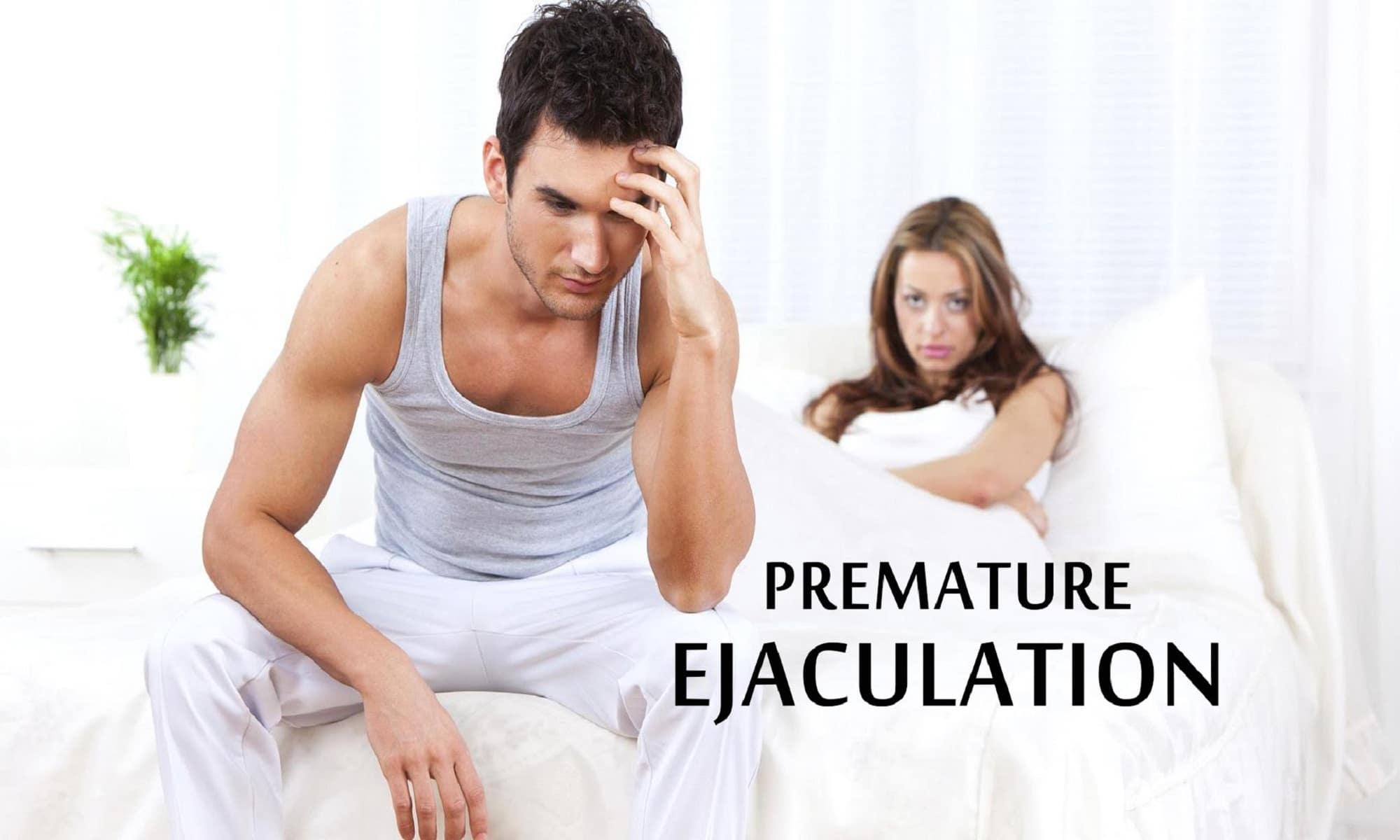
Premature ejaculation (PE) is one of the most common yet least openly discussed male sexual health conditions. It affects millions of men globally, cutting across age groups, cultures, and relationship statuses. While occasional early ejaculation is a normal part of sexual life, persistent premature ejaculation can lead to emotional distress, strained relationships, reduced sexual confidence, and avoidance of intimacy.
Despite its impact, premature ejaculation remains highly treatable. Modern medicine now recognizes that PE is not simply a psychological issue but a complex neurobiological, hormonal, and behavioral condition that can be effectively managed using a combination of therapies.
This comprehensive guide explores premature ejaculation in depth—covering its scientific basis, classification, causes, symptoms, diagnosis, and the full spectrum of modern treatment and long-term management strategies.
1. What Is Premature Ejaculation?
Premature ejaculation is a sexual dysfunction characterized by ejaculation that occurs sooner than desired, either before penetration or within a short time after penetration, with little voluntary control.
Clinically, PE is defined by three core criteria:
-
Short ejaculatory latency
– Ejaculation usually occurs within one minute of vaginal penetration (for lifelong PE) or significantly sooner than in the past (for acquired PE). -
Inability to delay ejaculation
– The man feels he cannot control the timing of climax during most sexual encounters. -
Negative personal consequences
– Emotional distress, frustration, embarrassment, avoidance of sex, or relationship problems.
It is important to note that timing alone does not define PE. A man who ejaculates quickly but feels satisfied and experiences no distress does not meet diagnostic criteria for the condition.
2. Classification of Premature Ejaculation
Medical experts classify early discharge into multiple subtypes, which helps guide diagnosis and treatment.
A. Lifelong (Primary) Premature Ejaculation
This type begins with a man’s earliest sexual experiences and persists throughout his life.
Key characteristics:
-
Ejaculation almost always within 30–60 seconds
-
Occurs with nearly all partners and situations
-
Minimal voluntary control
-
Not strongly influenced by emotional stress
-
Often linked to neurochemical and genetic factors
Lifelong PE is thought to result primarily from abnormal serotonin regulation in the brain.
B. Acquired (Secondary) Premature Ejaculation
This type develops later in life after a period of normal sexual performance.
Key characteristics:
-
Gradual or sudden onset
-
Variable ejaculation time
-
Often reversible
-
Strongly associated with physical or psychological triggers
Common causes include erectile dysfunction, prostatitis, hormonal imbalances, anxiety, depression, and relationship conflict.
C. Variable Premature Ejaculation
This refers to inconsistent episodes of early ejaculation that occur occasionally.
-
Usually situational
-
Not persistent
-
Often stress-related
-
May not require medical treatment
D. Subjective Premature Ejaculation
In this form, the man perceives that he ejaculates too quickly even though his ejaculation time is within normal limits.
-
Strongly influenced by unrealistic expectations
-
Often driven by pornography-based comparisons
-
Best managed with education and counseling
3. Epidemiology: How Common Is Premature Ejaculation?
Premature ejaculation is the most prevalent male sexual disorder worldwide.
-
Approximately 20–40% of men experience PE at some point
-
Lifelong PE affects 2–5% of men
-
Acquired PE is far more common
-
Underreporting is widespread due to stigma and embarrassment
PE can occur:
-
In teenagers and young adults (performance anxiety, inexperience)
-
In middle-aged men (stress, erectile dysfunction, relationship issues)
-
In older men (hormonal decline, prostate disease, cardiovascular issues)
4. The Science Behind Premature Ejaculation
Premature ejaculation is a multifactorial condition involving interactions between the brain, nerves, hormones, muscles, and emotional state.
A. Neurobiological Mechanisms
Serotonin is the primary neurotransmitter regulating ejaculation.
-
Low serotonin levels
-
Reduced sensitivity of serotonin receptors
-
Abnormal serotonin transporter function
These abnormalities cause faster ejaculatory reflexes, explaining why SSRIs are effective treatments.
B. Penile Sensory Hyperexcitability
Some men have increased sensitivity in the glans penis.
-
Leads to faster arousal
-
Reduces ejaculatory threshold
-
May be genetic or inflammatory
C. Hormonal Dysregulation
Hormones play a major role in ejaculatory control.
-
Low testosterone → reduced sexual stamina
-
Hyperthyroidism → increased ejaculatory urgency
-
Elevated prolactin → sexual dysfunction
-
Adrenal hormone imbalance → stress-related PE
Correcting hormonal disorders often improves symptoms.
D. Prostate and Urogenital Inflammation
Chronic prostatitis and pelvic inflammatory conditions can:
-
Increase ejaculatory urgency
-
Cause pelvic discomfort
-
Trigger reflex ejaculation
Antibiotic or anti-inflammatory treatment often improves PE.
E. Erectile Dysfunction Interaction
PE and ED frequently coexist.
-
Fear of losing erection → rushed intercourse
-
Reduced confidence → increased anxiety
-
Treating ED often resolves PE
5. Psychological and Emotional Causes
Psychological factors are especially important in acquired PE.
Common contributors:
-
Performance anxiety
-
Chronic stress
-
Depression
-
Low self-esteem
-
Relationship conflicts
-
Sexual guilt
-
Rigid beliefs about masculinity
-
Past traumatic sexual experiences
These factors create a self-reinforcing cycle:
Anxiety → early ejaculation → embarrassment → increased anxiety → worse PE
6. Symptoms and Clinical Features
The hallmark symptoms include:
-
Ejaculation within 1 minute of penetration
-
Inability to delay ejaculation
-
Loss of control over climax
-
Avoidance of sexual intimacy
-
Reduced sexual satisfaction
-
Emotional distress
Associated features may include:
-
Erectile instability
-
Reduced libido
-
Post-ejaculatory sadness
-
Relationship tension
7. Impact on Mental Health and Relationships
Premature ejaculation affects both partners.
Emotional consequences:
-
Loss of self-confidence
-
Depression and anxiety
-
Shame and embarrassment
-
Social withdrawal
-
Fear of intimacy
Relationship consequences:
-
Decreased sexual satisfaction
-
Feelings of rejection
-
Resentment or blame
-
Communication breakdown
-
Emotional distance
Couples who approach treatment collaboratively experience better outcomes.
8. Diagnosis of Premature Ejaculation
There is no single test for PE. Diagnosis is primarily clinical.
A. Medical and Sexual History
Your doctor will ask about:
-
Onset and duration
-
Consistency and severity
-
Relationship context
-
Erectile function
-
Stress levels
-
Medication use
-
Substance use
-
Medical history
B. Physical Examination
May include:
-
Genital exam
-
Prostate exam
-
Neurological reflex testing
-
Signs of hormonal imbalance
C. Laboratory Testing
Blood tests may assess:
-
Testosterone
-
Thyroid hormones
-
Prolactin
-
Blood sugar
-
PSA
Urinalysis or semen analysis may be done if infection is suspected.
9. Treatment Options: A Multimodal Approach
Effective treatment combines behavioral therapy, medication, psychological support, and lifestyle modification.
A. Behavioral Therapy Techniques
1. Start-Stop Method
Repeatedly stopping stimulation before climax trains ejaculatory control.
2. Squeeze Technique
Applying pressure to the glans reduces arousal.
3. Sensate Focus Exercises
Non-goal-oriented touch reduces performance anxiety.
4. Pelvic Floor Muscle Training (Kegels)
Strengthening ejaculatory muscles improves control.
B. Pharmacological Treatments
1. SSRIs
-
Paroxetine
-
Fluoxetine
-
Sertraline
-
Dapoxetine
Increase serotonin levels and delay ejaculation.
2. Topical Desensitizers
-
Lidocaine
-
Prilocaine
Reduce penile sensitivity.
3. Tramadol
Delays ejaculation but used cautiously.
4. PDE-5 Inhibitors
Sildenafil, tadalafil, vardenafil
Useful when ED is present.
C. Psychological Therapy
-
Cognitive Behavioral Therapy
-
Sex therapy
-
Couples counseling
-
Mindfulness-based stress reduction
D. Hormonal and Medical Treatment
-
Testosterone replacement
-
Thyroid regulation
-
Antibiotics for prostatitis
-
Diabetes management
10. Natural and Lifestyle Strategies
Supportive measures include:
-
Regular aerobic exercise
-
Balanced diet
-
Stress reduction techniques
-
Weight management
-
Quitting smoking
-
Limiting alcohol
-
Adequate sleep
11. Prevention and Long-Term Control
-
Maintain physical fitness
-
Avoid excessive pornography
-
Practice pelvic floor exercises
-
Manage chronic stress
-
Address sexual issues early
-
Seek medical care promptly
12. Myths and Misconceptions
Myth: PE only affects young men
Reality: It affects men of all ages
Myth: It’s purely psychological
Reality: Biological factors play a major role
Myth: There’s no cure
Reality: Most men improve significantly
Myth: Treatment is unsafe
Reality: Most treatments are safe under medical guidance
13. When to Seek Medical Help
Consult a healthcare provider if:
-
PE is persistent
-
It causes distress
-
It affects relationships
-
You also have ED
-
Symptoms worsen
14. Prognosis and Outlook
The prognosis is excellent.
-
Most men improve within weeks to months
-
Long-term control is achievable
-
Combination therapy is most effective
-
Relapse rates are low with proper management
Final Thoughts
Premature ejaculation is a common, complex, and highly treatable condition. It is not a personal failure or a permanent problem. Modern medicine offers effective, individualized solutions that restore sexual confidence and relationship satisfaction.
The most important step is seeking help early. With proper diagnosis, a tailored treatment plan, and supportive communication, men can regain control and enjoy a fulfilling sex life.

 English
 Arabic
 French
 Spanish
 Portuguese
 Deutsch
 Turkish
 Italiano
 Russian
 Romaian
 Portuguese (Brazil)
 Greek
Greek