


Freight Forwarder Services Explained: From Pickup to Final Delivery
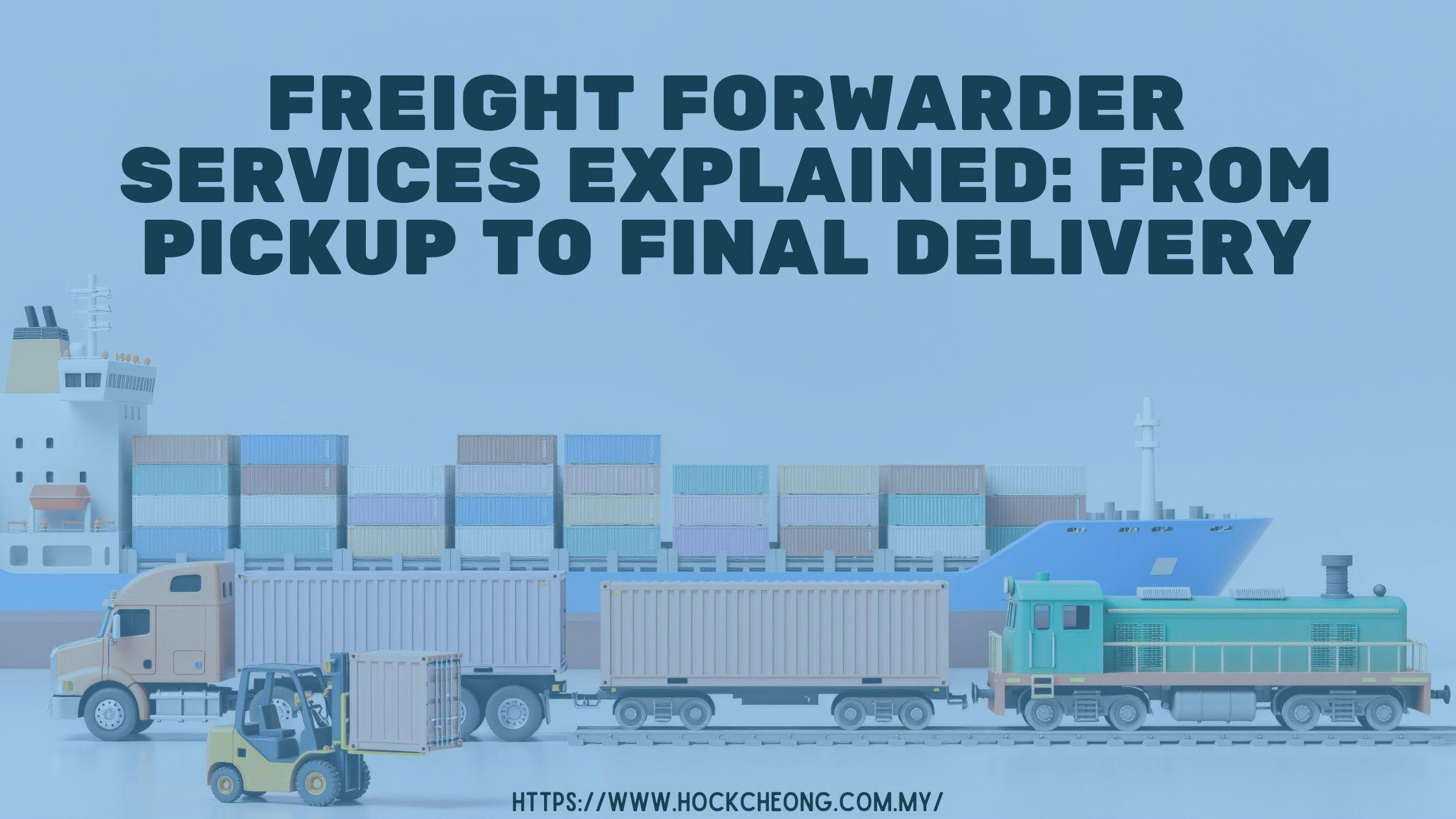
In today’s globalized economy, businesses rely heavily on efficient logistics to move goods across cities, countries, and continents. Behind every smooth international shipment is often a freight forwarder working behind the scenes. But what exactly does a freight forwarder do, and how do freight forwarder services take your cargo from pickup to final delivery?
This guide breaks down the entire freight forwarding process step by step, helping you understand why freight forwarder services are essential for modern supply chains.
What Is a Freight Forwarder?
A freight forwarder is a logistics specialist who arranges the transportation of goods on behalf of shippers. Rather than physically moving the cargo themselves, freight forwarders coordinate with carriers, customs authorities, warehouses, and other logistics partners to ensure goods are transported safely, efficiently, and in compliance with regulations.
Freight forwarder services are commonly used for air freight, sea freight, road transport, and rail shipping, especially for international trade.
Step 1: Shipment Planning and Booking
The freight forwarding process begins with careful planning. Once a shipper contacts a freight forwarder, the forwarder evaluates key shipment details such as:
- Type of goods
- Size and weight of the cargo
- Origin and destination
- Required delivery timeline
- Budget considerations
Based on this information, the freight forwarder recommends the most suitable shipping method, whether it’s air, sea, or land freight. They also select appropriate carriers and plan the most cost-effective and reliable route.
At this stage, freight forwarder services help businesses avoid common mistakes, such as choosing the wrong transport mode or underestimating transit times.
Step 2: Cargo Pickup and Inland Transportation
Once the shipment is booked, the freight forwarder arranges cargo pickup from the supplier’s location, factory, or warehouse. This may involve local trucking or rail services to move the goods to a port, airport, or consolidation warehouse.
For businesses shipping internationally, this inland transportation is a critical step. Freight forwarder services ensure cargo is properly packed, labeled, and secured to prevent damage during transit. If consolidation is required, smaller shipments may be combined with others to reduce costs.
Step 3: Documentation and Compliance
One of the most valuable aspects of freight forwarder services is handling documentation. International shipping involves complex paperwork, including:
- Commercial invoices
- Packing lists
- Bills of lading or air waybills
- Certificates of origin
- Export and import permits
Freight forwarders prepare, verify, and manage these documents to ensure accuracy and compliance with international trade regulations. Errors in documentation can cause delays, fines, or even shipment seizure, making this step especially important.
By relying on experienced freight forwarder services, businesses reduce the risk of costly administrative mistakes.
Step 4: Customs Clearance
Customs clearance is often the most challenging part of global shipping. Freight forwarders work closely with customs brokers and authorities to ensure goods clear customs smoothly at both the export and import stages.
This includes:
- Declaring cargo accurately
- Calculating duties and taxes
- Ensuring compliance with local regulations
- Addressing inspections or queries from customs officials
A knowledgeable freight forwarder helps prevent delays at borders and ensures that shipments meet all legal requirements. This expertise is especially valuable for businesses shipping to new or highly regulated markets.
Step 5: Main Transportation (International Transit)
After clearing export formalities, the shipment begins its main journey. Depending on the selected mode of transport, freight forwarder services coordinate:
- Sea freight via container ships
- Air freight for urgent or high-value cargo
- Multimodal transport combining sea, air, rail, and road
During transit, freight forwarders monitor shipment progress, provide tracking updates, and proactively address any issues such as delays, rerouting, or weather disruptions. This visibility allows businesses to plan inventory and communicate accurate timelines to customers.
Step 6: Arrival, Import Clearance, and Destination Handling
When the shipment reaches the destination country, freight forwarder services manage the import clearance process. This includes submitting documentation, paying duties and taxes if required, and coordinating inspections.
Once cleared, the freight forwarder arranges destination handling, which may involve unloading, warehousing, or deconsolidation of goods. This step ensures cargo is prepared for final delivery without unnecessary delays.
Step 7: Final Delivery to the Consignee
The final step is last-mile delivery. Freight forwarder services arrange local transportation to deliver the goods directly to the consignee’s warehouse, distribution center, or retail location.
At this point, the freight forwarder confirms delivery, provides proof of receipt, and closes the shipment. For businesses, this end-to-end coordination means fewer headaches and a single point of contact throughout the entire shipping process.
Why Freight Forwarder Services Matter
Freight forwarder services do more than move goods from point A to point B. They offer expertise, risk management, cost optimization, and peace of mind. By handling logistics complexity, freight forwarders allow businesses to focus on growth rather than operational challenges.
Whether you are a small business entering international markets or an established company managing global supply chains, professional freight forwarder services play a crucial role in ensuring shipments arrive safely, on time, and within budget.

 English
 Arabic
 French
 Spanish
 Portuguese
 Deutsch
 Dutch
Dutch
 Italiano
 Russian
 Romaian
 Portuguese (Brazil)
 Greek
Greek