


The Role of Consumer Stories in Identifying Fraud Trends
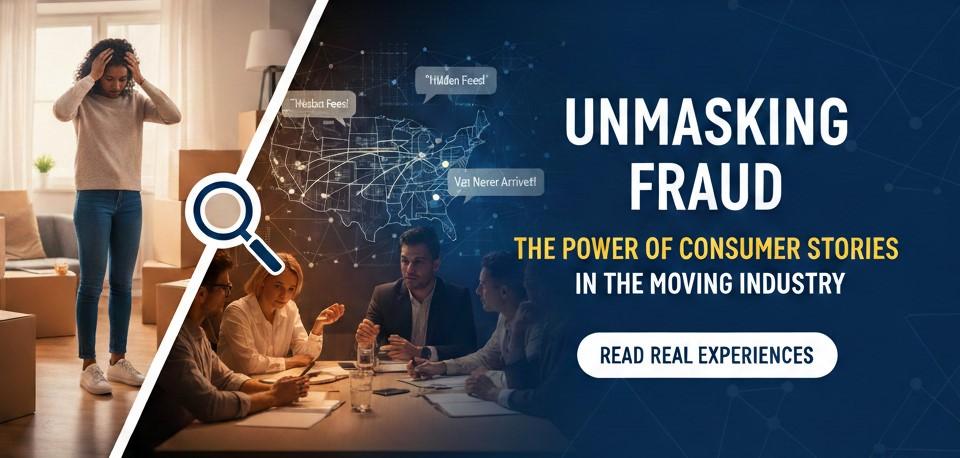
Consumer stories are more than personal experiences—they are windows into how fraud is evolving. When people share their encounters, others can recognize warning signs and take precautions. Real-life narratives help bridge the gap between statistics and practical understanding, making complex fraud trends easier to grasp.
Understanding the Value of Consumer Stories
Why Real Experiences Matter
Numbers can only tell part of the story when it comes to fraud. Personal accounts provide context, showing the emotional and financial impact on real people. For example, a family might report losing valuable belongings during a move because of hidden fees or unlicensed movers. These experiences turn abstract numbers into tangible lessons for the community.
Benefits of consumer stories include:
-
Highlighting common fraud tactics that may be overlooked in official reports
-
Giving victims a platform to share and warn others
-
Providing regulators with early indicators of illegal practices
-
Educating consumers to make safer decisions
Patterns and Emerging Trends
By examining multiple consumer accounts, patterns in fraudulent behavior become clear. Many reports about moving-related scams reveal tactics like bait-and-switch pricing, where companies offer low initial estimates and later demand much higher fees. According to the Federal Motor Carrier Safety Administration (FMCSA), moving scams cost Americans over $17 million annually, a number that continues to grow as scammers become more sophisticated.
Platforms That Amplify Awareness
The Role of Verified Storytelling
Not every online review is accurate, and misinformation can mislead future consumers. Verified platforms ensure that shared experiences are legitimate and useful. They filter out exaggerations or false claims, allowing readers to access trustworthy, actionable advice.
How Verification Works
-
Moderating submissions to remove misleading or false accounts
-
Cross-checking details with official records where available
-
Encouraging submission of evidence like receipts, contracts, or photos
-
Detecting recurring patterns across multiple stories
Using Consumer Narratives to Detect Fraud
Identifying Red Flags
Consumer stories highlight warning signs that may not appear in standard statistics. Some common red flags include:
-
Sudden, unexplained charges after services are provided
-
Refusal to provide documentation or proof of licensing
-
Delayed deliveries or lost items
-
Aggressive or unprofessional conduct from service staff
These signals help both regulators and consumers act before problems escalate.
Educating Through Real Experiences
Sharing personal stories also serves an educational purpose. Platforms often use these narratives to create guides, checklists, and tips for consumers:
-
Step-by-step advice on handling disputes or seeking refunds
-
How to verify licenses, DOT numbers, and insurance coverage
-
Safety tips based on actual incidents
According to the National Consumers League, nearly 80% of reported scams could have been avoided if consumers had access to prior knowledge from real experiences. This demonstrates the significant educational value of storytelling.
How Analytics Transform Stories into Insights
Detecting Trends Through Data
Collecting consumer stories is just the first step. When analyzed, they reveal broader trends:
-
Geographic areas where scams are most prevalent
-
Types of scams appearing during specific seasons
-
Repeated fraudulent behavior by particular companies
Technology-Assisted Trend Analysis
-
AI tools that identify patterns or keywords in submissions
-
Data visualization for trend detection
-
Automated alerts for regulators when multiple reports flag a high-risk activity
Through analytics, personal stories evolve into actionable insights that help both consumers and authorities understand and prevent fraud.
Highlighting a Trusted Resource
Platforms like Moving Scam Stories play a critical role in collecting verified accounts from real people. By sharing their experiences on a trusted platform, victims help others:
-
Avoid common scams
-
Recognize untrustworthy companies before engagement
-
Encourage regulators to take timely action
This platform is positioned in the middle of the article to emphasize credibility and professionalism, without overusing the anchor link.
Promoting Community Vigilance
When stories are shared, consumers become more cautious. Tips derived from verified accounts include:
-
Always check company licenses and DOT registrations
-
Request written, detailed estimates before hiring movers
-
Avoid upfront cash payments or wire transfers
-
Observe communication and online review red flags
These insights empower communities to rely on peer experiences as an early warning system.
Real-Life Impacts of Consumer Stories
Case Examples from Moving Experiences
When multiple consumers report similar incidents, it reveals patterns that need attention:
-
Families losing belongings due to unlicensed movers
-
Unexpected or inflated charges on final invoices
-
Movers refusing to complete services after receiving deposits
These examples illustrate the critical importance of paying attention to verified narratives.
Driving Positive Change
-
Influencing policy and regulatory decisions
-
Encouraging companies to improve transparency
-
Reducing scams in high-risk industries
Consumer storytelling ensures lessons are passed on, protecting not only the storyteller but the wider community.
Practical Tips for Using Consumer Stories
For Consumers
-
Read multiple verified stories before hiring a service
-
Confirm details using licensing databases and official records
-
Share personal experiences to contribute to trend detection
For Businesses
-
Monitor feedback to identify service gaps
-
Address complaints promptly to maintain credibility
-
Participate in verified platforms to demonstrate transparency
Benefits for All Parties
-
Consumers gain awareness and confidence
-
Authorities receive early warnings of fraud
-
Honest businesses can differentiate themselves from scammers
Conclusion
Consumer stories play a vital role in identifying fraud trends. They turn real experiences into shared knowledge that helps people recognize risks and make safer decisions.
Reliable storytelling platforms ensure these experiences are accurate and useful, allowing both consumers and authorities to respond to scams more effectively.
Every shared story matters, because one person’s experience can help protect many others from falling into the same trap.

 English
 Arabic
 French
 Portuguese
 Deutsch
 Turkish
 Dutch
Dutch
 Italiano
 Russian
 Romaian
 Portuguese (Brazil)
 Greek
Greek