


Understanding Push Pull Rod Aircraft Systems: Mechanics and Applications
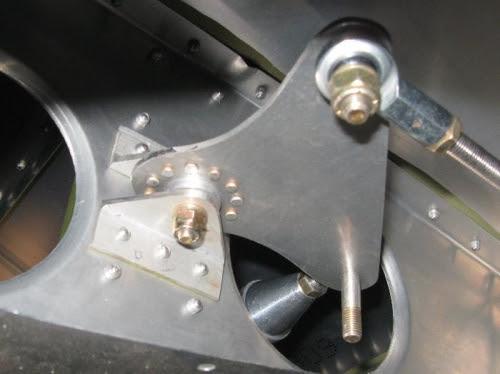
Modern aircraft rely on precise and reliable control systems to ensure safety and performance during flight. Among these mechanisms, the push pull rod aircraft configuration provides a direct mechanical link between cockpit controls and control surfaces. This system allows pilots to move ailerons, elevators, and rudders efficiently, translating their inputs into immediate aerodynamic responses.
How Push Pull Rod Aircraft Systems Work
The push pull rod setup uses rigid rods connected to control sticks or yokes through ball joints or clevises. When a pilot moves the control input, the rods either push or pull the control surfaces. This direct transmission minimizes lag and ensures a predictable response.
Key components and principles include:
- Rigid Rods: Designed to transfer force without bending or flexing under load.
- Flexible Joints: Ball joints or clevises accommodate slight angular motion and reduce wear.
- Material Strength: High-strength metals ensure durability under vibration, temperature changes, and flight stresses.
Advantages of Push Pull Rod Aircraft Systems
- Reliability: Fewer components than hydraulic or electronic systems reduce potential points of failure.
- Tactile Feedback: Pilots can feel aerodynamic forces through the controls, improving maneuvering precision.
- Ease of Maintenance: Routine inspections, lubrication, and alignment checks are sufficient to maintain long-term functionality.
- Redundancy Options: Parallel rods can provide backup paths for critical controls, enhancing safety.
Design and Engineering Considerations
For optimal performance, engineers consider:
- Precise Alignment: Rod lengths and joint angles must be accurately calculated to prevent binding.
- Load Management: Stress distribution ensures the system remains functional under extreme flight conditions.
- Smooth Operation: Proper lubrication and joint design minimize resistance and maintain responsive control.
Attention to these factors ensures consistent motion transfer, reducing wear and extending the lifespan of the system.
Applications in Modern Aviation
Push pull rod aircraft systems are widely used in:
- General Aviation: Small planes and trainers benefit from simplicity and reliability.
- Experimental Aircraft: Builders prefer mechanical control for predictable response and direct feedback.
- Redundant Systems: Larger aircraft may incorporate rods alongside hydraulic or electronic systems as backups.
The system’s combination of direct mechanical control and durability makes it a valuable choice in scenarios where simplicity, reliability, and pilot feedback are critical.
Maintenance and Safety Practices
Maintaining the system involves:
- Inspecting joints and rods for wear or corrosion
- Checking alignment and tension in control linkages
- Lubricating moving parts to prevent stiffness
Proper maintenance ensures that push pull rod aircraft systems remain safe and functional across many years of operation, supporting reliable flight control.
Conclusion: Importance in Aircraft Control
Reliable control mechanisms are essential for safe flight, and systems such as the push pull rod aircraft provide a simple, durable, and responsive solution. By combining mechanical precision with ease of maintenance and pilot feedback, these systems continue to play an important role in aviation design, particularly for small and experimental aircraft.

 English
 Arabic
 French
 Spanish
 Portuguese
 Deutsch
 Turkish
 Dutch
Dutch
 Italiano
 Romaian
 Portuguese (Brazil)
 Greek
Greek