


Gooseneck Flatbed Trailers Optimized for Heavy Machinery Transport
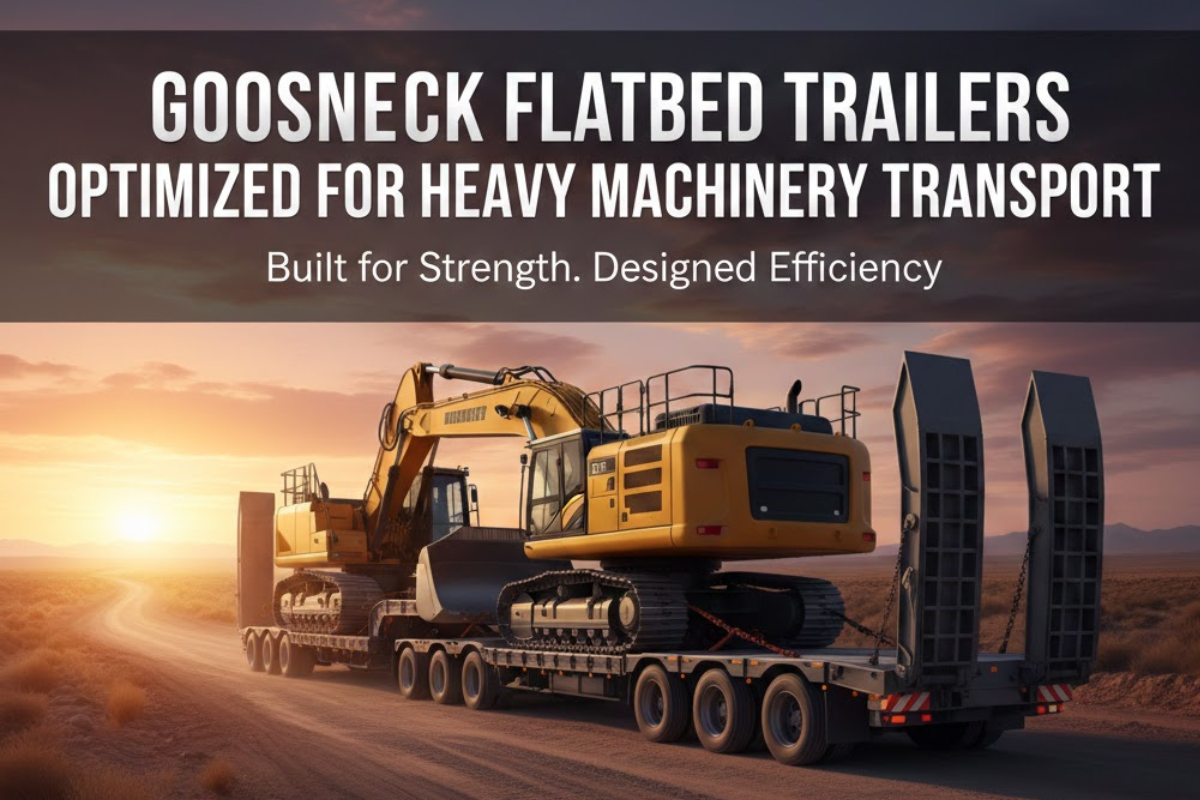
Heavy machinery has a presence. You hear it before you see it. The low clank of steel, the hum of hydraulics, that faint smell of grease that never really leaves your clothes. Moving that kind of equipment isn’t casual work, and right around the middle of most hauling conversations, gooseneck flatbed trailers show up for a reason. They’ve earned their reputation the slow way. One long haul at a time.
There’s no glamour here. Just physics. Weight. Balance. And a lot of moments where you hope everything was set up right before pulling onto the highway.
Why Gooseneck Flatbeds Feel Different Right Away
The first time you tow a gooseneck, you notice it almost instantly. The trailer settles into the truck instead of dragging behind it. Less sway. Fewer surprises when you hit uneven pavement.
Flatbeds add another layer of flexibility. No walls. No roof. Just open space and tie-down points waiting for whatever monster needs moving today. Excavators. Skid steers. Loaders. Stuff that doesn’t fit neatly into boxes.
It feels honest. Exposed. You see the load. You respect it.
Weight Distribution Isn’t Just a Talking Point
Heavy machinery doesn’t forgive bad balance. Put too much weight behind the axles and you’ll feel it every mile. Too far forward and steering goes weird fast.
Gooseneck flatbed trailers handle this better because the hitch sits over the rear axle of the truck. Weight transfers down, not back. The difference shows up in control, especially during braking.
Ever felt a trailer push you downhill? Not a good memory.
Deck Length Matters More Than You Think
Longer decks give breathing room. You’re not squeezing machines into place or stacking attachments awkwardly. There’s space to think. Space to adjust.
Short decks work for compact equipment. Anything bigger gets stressful fast. Tracks overhang. Buckets hang off edges. Stress creeps in quietly.
Most people only realize deck length matters after wishing they had more of it.
Steel Frames and That Solid Feeling
Steel flatbeds feel grounded. Heavy. Stable.
Aluminum saves weight, sure, but steel inspires confidence when hauling machinery that costs more than the truck pulling it. Weld quality matters here. Smooth beads. Clean joints. You notice craftsmanship when nothing flexes under load.
There’s a sound steel makes when weight settles onto it. Dull. Final. Comforting.
Ramps, Load Angles, and Quiet Moments of Panic
Loading is the moment everyone watches. One wrong angle. One slip. Things go sideways quickly.
Fold-over ramps work for lighter machines. Stand-up ramps feel better for tracked equipment. Some prefer slide-in ramps tucked under the deck. Cleaner look. Fewer rattles.
Load angle matters. Shallow feels safer. Steep raises eyebrows. You don’t forget the first time a machine climbs onto a flatbed under its own power. Heart rate spikes. Then settles.
Tie-Down Points and Real Security
Chains don’t care about marketing. They care about anchor points.
Good gooseneck flatbed trailers have multiple D-rings placed where you actually need them. Corners. Mid-rails. Frame-mounted points that don’t bend under tension.
Watching chains tighten evenly across a load is satisfying. Everything locks in. The machine becomes part of the trailer. That’s the goal.
Axles Built for Long Days
Heavy machinery pushes axles hard. Heat builds. Bearings work overtime.
Dual or triple axle setups spread weight better. Tires last longer. Braking feels more controlled. Long trips feel less tiring because the trailer tracks straight.
You don’t think about axles until you’re stranded. Then you think about them a lot.
Deck Height and Ground Clearance
Lower decks make loading easier. Less climb. Less drama.
Higher decks clear rough terrain better. Job sites aren’t always friendly. Rocks. Ruts. Mud.
There’s a trade-off. Some trailers split the difference. Enough clearance without feeling top-heavy. That balance matters more off-road than people admit.
Gooseneck Flatbeds on Real Job Sites
Construction yards aren’t gentle. Trailers get scraped. Backed into. Loaded fast.
Flatbeds take abuse quietly. No panels to dent. No doors to misalign. Scratches tell stories. Dents get shrugged off.
Machinery gets moved. Work gets done. The trailer keeps up.
Maintenance That Actually Counts
Heavy hauling means regular checks. Lug nuts. Tire pressure. Brake lines. Coupler wear.
Ignore small stuff and it grows. Fast. Maintenance feels boring until it saves a day.
Grease points exist for a reason. So do torque specs.
Weather Doesn’t Ask Permission
Rain slicks decks. Dust coats everything. Snow complicates loading.
Textured decking helps. Wood grips better than smooth steel when wet. Steel cleans easier. Wood absorbs moisture.
Every material has quirks. Experience teaches which ones you can live with.
Ownership Feels Different Over Time
The longer you own a gooseneck flatbed, the more it becomes part of the workflow. You stop thinking about it. It just works.
That’s the sign it fits the job.
You hook up. Load up. Strap down. Roll out. The trailer follows without complaint, carrying weight that would overwhelm lesser setups.
There’s relief in that. Quiet confidence. You reach the site, unload, and the machine hits the ground ready to work.
You wipe your hands. Step back. Another haul done. The flatbed waits patiently for the next one.

 English
 Arabic
 Spanish
 Portuguese
 Deutsch
 Turkish
 Dutch
Dutch
 Italiano
 Russian
 Romaian
 Portuguese (Brazil)
 Greek
Greek