


Orange Flame on a Gas Stove Causes and Solutions
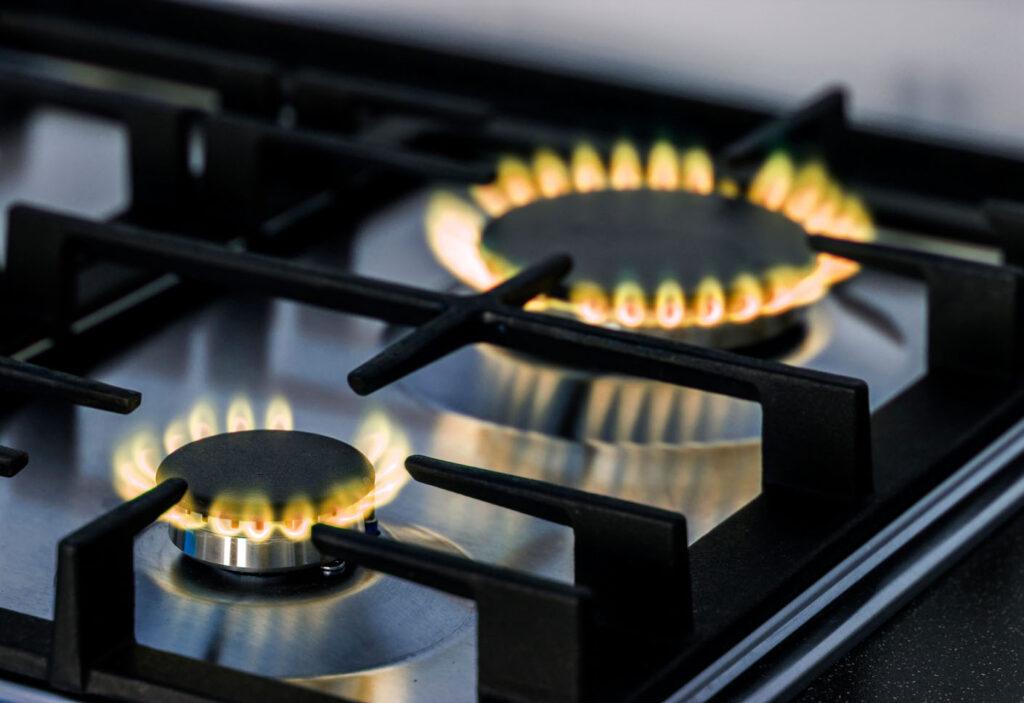
A gas stove is one of the most reliable tools in any kitchen. Turn the knob, hear the click, and a clean blue flame appears—simple, efficient, and familiar. But what happens when that flame turns orange or yellow instead of blue? Many people notice this change and immediately wonder: Is this dangerous? Is my stove broken? Should I stop using it?
An orange flame on a gas stove is more than just a cosmetic issue. It can signal inefficient combustion, potential safety risks, and even health concerns. While the cause is sometimes harmless and temporary, in other cases it requires immediate attention.
In this article, we’ll explore what an orange flame means, what causes it, how to fix it, and how to prevent it—so you can keep your kitchen safe, efficient, and worry-free.
Understanding Flame Colors: Why Blue Is Best
Before diving into orange flames, it’s important to understand what a normal gas flame looks like.
Blue Flame = Healthy Combustion
A blue flame indicates complete combustion, meaning the gas is burning efficiently with enough oxygen. This produces:
-
Maximum heat
-
Minimal carbon monoxide
-
Clean, efficient cooking
Orange or Yellow Flame = Incomplete Combustion
An orange or yellow flame suggests incomplete combustion, which means:
-
Not enough oxygen is mixing with the gas
-
Fuel is not burning fully
-
More carbon monoxide and soot may be produced
This doesn’t always mean immediate danger, but it should never be ignored.
What Causes an Orange Flame on a Gas Stove?
There are several reasons orange flame on gas stove. Some are minor and temporary; others are more serious.
1. Dust, Dirt, or Food Debris
One of the most common causes is something as simple as dirty burner ports. Over time, dust, grease, food spills, or crumbs can clog the tiny holes in the burner.
Result: The gas doesn’t mix evenly with oxygen, causing an uneven or orange flame.
🛠 Solution: Clean the burners thoroughly (we’ll cover how later).
2. Moisture in the Air
High humidity levels can affect combustion. If you notice orange flames on a rainy day or right after boiling water for a long time, moisture could be the culprit.
Result: The flame may temporarily appear orange but return to blue once the air dries.
🛠 Solution: Improve ventilation or use a dehumidifier.
3. Impurities in the Gas Supply
Sometimes, natural gas or propane can contain trace minerals like sodium, which burn orange.
Result: The flame color changes but the stove still functions normally.
🛠 Solution: If the flame remains orange for days, contact your gas provider to check the gas quality.
4. Blocked Air Shutters or Venturi Tubes
Gas stoves are designed to mix gas with air before ignition. If the air shutter (the opening that controls air intake) is blocked or misaligned, oxygen flow is reduced.
Result: Incomplete combustion → orange flame.
🛠 Solution: Adjust or clean the air shutter or venturi tube.
5. Faulty Burner Caps or Misalignment
If the burner cap is not seated properly, the flame may burn unevenly and turn orange.
Result: Flame flickers, spreads unevenly, or changes color.
🛠 Solution: Re-seat or replace the burner cap.
6. Poor Ventilation
Using your stove in a poorly ventilated kitchen can trap combustion byproducts and reduce oxygen supply.
Result: Flame color shifts, and indoor air quality decreases.
🛠 Solution: Use an exhaust fan or open windows while cooking.
7. Carbon Buildup or Aging Equipment
Over time, gas appliances can accumulate carbon deposits or wear out.
Result: Flames change color and efficiency decreases.
🛠 Solution: Professional inspection and maintenance.
Is an Orange Flame Dangerous?
An orange flame can be dangerous if ignored, especially if it indicates incomplete combustion.
Potential Risks Include:
-
Carbon monoxide (CO) exposure – A colorless, odorless gas that can cause headaches, dizziness, nausea, or even death.
-
Soot buildup – Can stain cookware, walls, and ceilings.
-
Reduced efficiency – Cooking takes longer and uses more gas.
-
Fire hazards – Uneven flames can increase fire risk.
🚨 Warning Signs to Act Immediately:
-
Persistent orange flames
-
Soot on cookware or around burners
-
Headaches or dizziness while cooking
-
A carbon monoxide detector going off
If you experience any of these, stop using the stove and contact a professional immediately.
How to Fix an Orange Flame on Your Gas Stove
Here’s a step-by-step guide to diagnosing and fixing the issue.
Step 1: Turn Off the Stove and Let It Cool
Always start with safety. Turn off the stove and allow it to cool completely before touching any components.
Step 2: Clean the Burners
What You’ll Need:
-
Warm soapy water
-
A soft brush or toothbrush
-
A pin or paperclip
-
Dry cloth
How to Clean:
-
Remove burner grates and caps.
-
Soak them in warm, soapy water for 15–20 minutes.
-
Gently scrub off grease and debris.
-
Use a pin to clear clogged burner holes.
-
Dry thoroughly and reassemble.
Step 3: Check Burner Cap Alignment
Ensure the burner caps sit flat and are properly centered. Even slight misalignment can disrupt flame pattern.
Step 4: Inspect the Air Shutter
Some stoves allow manual adjustment of the air shutter.
-
Locate the shutter (usually near the burner base or inside the stove).
-
Open it slightly to increase airflow.
-
Test the flame color.
If unsure, consult the stove manual or call a technician.
Step 5: Improve Ventilation
-
Turn on the range hood.
-
Open nearby windows.
-
Avoid using the stove in closed, unventilated spaces.
Step 6: Check for Gas Supply Issues
If the flame stays orange across all burners, it could be a gas quality issue. Contact your gas supplier for testing.
Step 7: Call a Professional
If none of the above steps fix the problem, it’s time to call a licensed technician. This is especially important if:
-
You smell gas
-
You see soot
-
You feel unwell while cooking
-
Your CO detector activates
How to Prevent Orange Flames in the Future
Prevention is always better than repair. Here’s how to keep your stove flame blue and your kitchen safe.
✔️ Clean Your Stove Regularly
-
Wipe spills immediately.
-
Deep-clean burners monthly.
✔️ Use Proper Ventilation
-
Always use the exhaust fan while cooking.
-
Ensure vents are clear and functional.
✔️ Schedule Annual Maintenance
-
Have your stove inspected yearly by a professional.
✔️ Install a Carbon Monoxide Detector
-
Place one near the kitchen and sleeping areas.
-
Test it monthly and replace batteries regularly.
✔️ Avoid Using the Stove as a Heater
-
Never use your gas stove or oven to heat your home—it increases CO risk.
The Science Behind the Flame Color
Let’s briefly explore what’s happening at a chemical level.
Natural gas (mostly methane) or propane reacts with oxygen when ignited:
Ideal reaction:
CH₄ + 2O₂ → CO₂ + 2H₂O + Heat
This reaction produces a blue flame and releases maximum energy.
When oxygen is insufficient:
Incomplete reaction:
CH₄ + O₂ → CO + C + Heat
This produces:
-
Carbon monoxide (CO)
-
Carbon particles (soot)
-
An orange or yellow flame
That’s why flame color is such a powerful indicator of combustion quality.
Real-Life Scenarios: When to Worry
Let’s look at a few common situations.
Scenario 1: Flame Turns Orange After Cleaning the Kitchen
Likely cause: Cleaning chemicals or dust in the air.
Solution: Ventilate the room. Flame should return to blue.
Scenario 2: Flame Has Been Orange for Days
Likely cause: Dirty burners or airflow issues.
Solution: Clean burners and inspect air shutters.
Scenario 3: Flame Is Orange and There’s Black Soot on Pots
Likely cause: Incomplete combustion.
Solution: Stop using the stove and call a technician.
Scenario 4: CO Detector Goes Off While Cooking
Emergency: Turn off the stove, ventilate the area, leave the house if necessary, and call a professional immediately.
Frequently Asked Questions (FAQs)
Q1: Is it okay to cook with an orange flame?
Occasionally and briefly, it may not be dangerous, but persistent orange flames should not be ignored.
Q2: Can humidity really cause orange flames?
Yes. Moisture in the air can affect combustion, especially in poorly ventilated kitchens.
Q3: Do gas stoves ever naturally produce orange flames?
They shouldn’t under normal conditions. Blue is the standard for safe, efficient combustion.
Q4: Can orange flames damage cookware?
Yes. They can leave soot, discolor metal, and reduce cookware lifespan.
Q5: How often should I clean my burners?
At least once a month, or more often if you cook frequently.
Final Thoughts
An orange flame on a gas stove is more than just a color change—it’s a message from your appliance that something isn’t quite right. While the cause is often simple and fixable, ignoring it can lead to serious safety risks, including carbon monoxide exposure.
By understanding the causes, recognizing the warning signs, and knowing how to fix and prevent the issue, you can keep your kitchen both safe and efficient.
So the next time you turn on your stove, take a second to look at the flame. If it’s blue, you’re good to go. If it’s orange, now you know exactly what to do.

 English
 Arabic
 Spanish
 Portuguese
 Deutsch
 Turkish
 Dutch
Dutch
 Italiano
 Russian
 Romaian
 Portuguese (Brazil)
 Greek
Greek