


Treating Melasma Without Damaging Skin
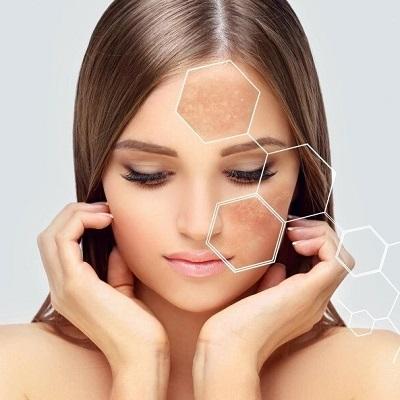
Melasma is a stubborn pigmentation condition that affects millions of people worldwide. While the desire to fade dark patches quickly is understandable, aggressive or improper treatments can do more harm than good. Treating melasma without damaging the skin requires a careful, balanced approach that prioritizes skin health while gradually reducing pigmentation.
Understanding safe treatment methods is essential for achieving long-lasting improvement without irritation, scarring, or rebound pigmentation.
Understanding Why Melasma Needs Gentle Care:
Melasma occurs when melanocytes produce excess melanin in response to triggers such as sun exposure, hormones, heat, and inflammation. Unlike simple tanning, melasma pigment often sits deeper in the skin, making it more resistant to treatment.
This is why professional evaluation for Melasma in Islamabad focuses on controlled, medically guided solutions rather than harsh over-the-counter remedies. The goal is to calm pigment production while preserving the skin’s natural barrier.
The Risks of Aggressive Melasma Treatments:
Many people worsen their melasma by trying quick-fix solutions. Strong bleaching agents, excessive exfoliation, and unsupervised laser treatments can inflame the skin, leading to post-inflammatory hyperpigmentation.
Common mistakes include:
-
Overusing hydroquinone without medical supervision
-
Applying multiple active ingredients at once
-
Frequent harsh scrubbing or peeling
-
Choosing high-energy lasers without proper skin assessment
Damaged skin becomes more sensitive to sunlight and hormones, increasing the risk of darker, more persistent pigmentation.
Safe Topical Treatments for Melasma:
Topical therapy remains one of the safest and most effective ways to manage melasma when used correctly.
Dermatologist-approved ingredients include:
-
Azelaic acid: Reduces melanin production and inflammation
-
Retinoids: Improve skin renewal when introduced slowly
-
Vitamin C: Brightens skin and protects against oxidative damage
-
Niacinamide: Strengthens the skin barrier and reduces irritation
These treatments work best when introduced gradually and combined with strict sun protection.
Sun Protection: The Most Critical Step:
No melasma treatment can succeed without daily sun protection. UV rays stimulate melanocytes and undo months of progress within days.
Safe sun protection habits include:
-
Daily use of broad-spectrum SPF 30 or higher
-
Reapplication every 2–3 hours outdoors
-
Wearing hats, sunglasses, and protective clothing
-
Avoiding peak sun hours when possible
Consistent sun protection prevents skin damage while allowing treatments to work safely and effectively.
Professional Treatments That Protect Skin Integrity:
When performed by trained professionals, in-clinic treatments can improve melasma without harming the skin.
Common safe options include:
-
Superficial chemical peels: Designed for pigmentation, not deep exfoliation
-
Low-energy laser therapy: Targets pigment gently over multiple sessions
-
Microneedling with serums: Enhances absorption without excessive trauma
Planning treatment with an understanding of the Melasma cost in Islamabad allows patients to choose staged, skin-safe procedures rather than rushed, aggressive methods.
Healing the Skin Barrier for Better Results:
Healthy skin heals and responds better to melasma treatments. A damaged skin barrier worsens pigmentation and increases sensitivity.
Barrier-repair strategies include:
-
Using fragrance-free moisturizers
-
Avoiding alcohol-based products
-
Limiting exfoliation to dermatologist recommendations
-
Incorporating ceramides and hyaluronic acid
By restoring the skin barrier, treatments become more effective and less irritating.
Hormonal and Lifestyle Considerations:
Hormonal changes are a major contributor to melasma, especially in women. Pregnancy, contraceptives, and hormonal imbalances can intensify pigmentation.
Lifestyle choices also influence treatment success:
-
Stress management helps stabilize hormonal fluctuations
-
Adequate sleep supports skin repair
-
A diet rich in antioxidants reduces inflammation
Addressing these factors reduces the likelihood of skin damage and pigmentation relapse.
Patience and Consistency Matter:
Melasma does not respond well to rushed treatments. Safe improvement occurs gradually over weeks or months. Patients who remain consistent with gentle treatments experience more stable and long-lasting results.
Stopping treatment too early or switching products frequently increases irritation and delays improvement.
Choosing the Right Clinic for Safe Melasma Care:
Expert guidance is essential when treating melasma without damaging the skin. A reputable clinic ensures treatments are customized, safe, and adjusted based on skin response.
For medically supervised, skin-safe melasma treatments, Royal cosmetic surgery clinic offers advanced care plans focused on gradual improvement, skin protection, and long-term results.
Conclusion:
Treating melasma safely requires patience, professional guidance, and respect for the skin’s natural balance. Gentle topical treatments, strict sun protection, controlled in-clinic procedures, and healthy lifestyle choices work together to fade pigmentation without causing damage. With the right approach, melasma can be managed effectively while keeping the skin strong, calm, and healthy for the long term.

 English
 Arabic
 French
 Spanish
 Portuguese
 Turkish
 Dutch
Dutch
 Italiano
 Russian
 Romaian
 Portuguese (Brazil)
 Greek
Greek