


Complete iPhone Repair Guide: Screen, Battery & Common Problems Solved
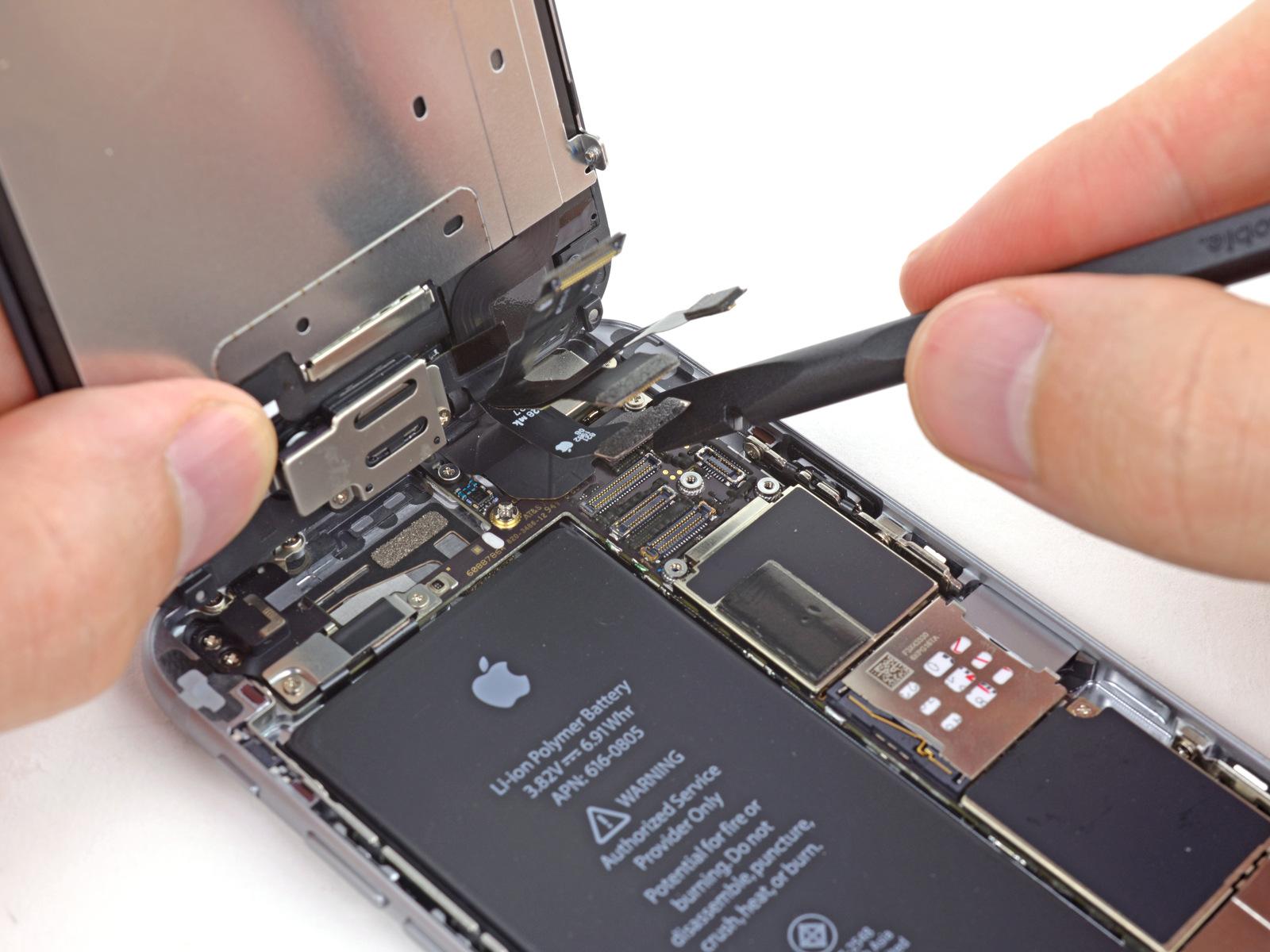
Your iPhone is more than just a smartphone—it's your lifeline to work, family, entertainment, and essential daily tasks. When something goes wrong, whether it's a cracked screen, dying battery, or mysterious malfunction, understanding your repair options helps you make smart decisions quickly. This comprehensive iPhone repair guide covers everything you need to know about common problems, professional solutions, and how to get your device back to perfect condition.
At iStore Dubai, we've repaired thousands of iPhones across all models and issues. This guide draws from our extensive experience to help you recognize problems, understand repair processes, and choose the right service for your needs. Whether you're dealing with obvious damage like a shattered screen or puzzling issues like random shutdowns, this complete resource provides the answers you need.
Understanding iPhone Screen Problems and Repairs
Screen damage represents the most common reason people search for iPhone repair Dubai services. Understanding different types of screen damage helps you communicate effectively with repair technicians and know what to expect from professional service.
Physical screen damage occurs in various forms, each with distinct characteristics and repair requirements. Shattered screens with extensive cracking across the entire display make your iPhone difficult and potentially dangerous to use. Glass shards can cut your fingers, and touch functionality often becomes unreliable or completely fails. Spider-web cracks radiating from a single impact point start small but typically spread over time due to temperature changes and normal handling stress. Corner cracks might seem minor initially, but they weaken the entire screen structure and usually expand within days or weeks.
iPhone screen repair becomes urgent when damage affects functionality beyond just appearance. Unresponsive touch areas where the screen doesn't register your taps or swipes indicate damage to the digitizer layer beneath the protective glass. This problem often accompanies visible cracks but can also occur without obvious external damage. Display malfunctions like black spots, dead pixel clusters, or colored lines across the screen signal internal display component failure requiring complete screen replacement.
Screen replacement involves more than just swapping damaged glass. Modern iPhones integrate the display with multiple critical components including the digitizer that registers touch input, the LCD or OLED panel that produces the visual image, the backlight system that illuminates the display, proximity sensors that detect when you hold the iPhone to your ear, ambient light sensors that enable True Tone and auto-brightness, and on some models, the Face ID components that enable secure authentication.
Professional iPhone screen repair replaces the entire display assembly to ensure all these integrated components work perfectly together. This comprehensive approach costs more than simple glass replacement but guarantees full functionality, proper fit, and long-term reliability. Attempting to separate and replace only the glass layer typically damages the underlying components and creates worse problems than the original crack.
The screen replacement process follows precise procedures to protect your iPhone's other components. Technicians must completely power down the device and discharge residual electricity to prevent damage. They carefully remove the damaged display assembly, disconnect delicate ribbon cables without damaging connectors, and install the new display with proper alignment and secure connections. After installation, comprehensive testing verifies that touch response works across the entire screen, display quality matches original specifications, brightness adjusts correctly, Face ID or Touch ID functions properly, and all sensors operate normally.
iPhone Battery Problems and Replacement Solutions
Battery issues frustrate iPhone users because they eliminate the device's portability and convenience. Understanding battery degradation and replacement helps you recognize when service becomes necessary and what to expect from professional battery replacement.
iPhone batteries naturally degrade over time through normal use. Apple designs these lithium-ion batteries to retain approximately 80% of their original capacity after 500 complete charge cycles. However, real-world factors like charging habits, temperature exposure, and usage patterns significantly impact how quickly batteries deteriorate. Most iPhone users notice meaningful battery degradation after two to three years of regular use.
Common battery problems signal when replacement becomes necessary. Rapid battery drain where your fully charged iPhone depletes to zero within just a few hours of light use indicates significant capacity loss. Your iPhone should easily last a full day with normal use, so dramatic battery life reduction means the battery can no longer hold adequate charge. Unexpected shutdowns even when the battery indicator shows 20%, 30%, or even 50% remaining charge suggest the battery can no longer deliver consistent power. The battery management system misreads actual capacity, causing shutdowns when voltage drops below operational thresholds.
The "Service" or "Service Battery" warning in your iPhone's battery health settings explicitly tells you that Apple's diagnostic systems have detected significant degradation. This warning appears when battery capacity falls below 80% of original design capacity or when the battery can no longer deliver peak performance. Ignoring this warning leads to increasingly unreliable iPhone performance and potential unexpected shutdowns at critical moments.
Swollen batteries represent serious safety emergencies requiring immediate professional attention. Battery swelling occurs when internal chemical reactions produce gases that inflate the battery pack. You might notice your iPhone screen bulging outward, the back glass lifting away from the frame, the device feeling thicker than normal, or gaps appearing between screen and body. Swollen batteries can crack your screen from internal pressure, damage other components, and in extreme cases pose fire risks. Never attempt to use, charge, or repair an iPhone with a swollen battery yourself—seek immediate professional service.
iPhone repair specialists perform battery replacement following specific safety procedures. They discharge the device completely, carefully remove the old battery which is adhesive-mounted inside the iPhone, clean all adhesive residue from the battery compartment, install a new battery with proper adhesive application, and reconnect all power connections securely. After installation, technicians calibrate the new battery by charging to 100%, discharging to 0%, and charging back to 100% to ensure iOS accurately reads battery capacity and provides reliable percentage indicators.
Quality replacement batteries make enormous difference in post-repair performance. Professional iPhone service center Dubai facilities use genuine or OEM-equivalent batteries that match Apple's specifications for capacity, voltage, charging characteristics, integrated safety features, and compatibility with iOS battery management. Cheap third-party batteries from unknown manufacturers might save money initially but often deliver reduced capacity, shorter lifespans, compatibility issues with iOS updates, and potential safety hazards.
Charging Port Issues and Solutions
Charging problems create major frustration because even with remaining battery life, you can't recharge for continued use. Understanding charging port issues helps you recognize when cleaning versus replacement becomes necessary.
Charging port problems manifest in several recognizable ways. Your iPhone won't charge at all when connected despite trying multiple cables and power adapters, suggesting port damage or component failure. Intermittent charging where connection only works when you hold the cable at specific angles indicates bent pins, worn contacts, or loose port housing. Loose cable connection where the Lightning connector doesn't click firmly into the port suggests mechanical wear or damage.
Sometimes charging port problems stem from simple contamination rather than damage. Pocket lint, dust, and debris accumulate in the Lightning port over time, preventing cables from seating properly. Professional cleaning using proper tools can often restore full charging functionality without replacement. However, physical damage from inserting cables roughly, liquid exposure that corrodes contacts, or manufacturing defects require port replacement.
Professional iPhone repair for charging issues begins with thorough diagnosis to determine whether cleaning, repair, or replacement provides the best solution. Technicians examine the port under magnification to identify debris, bent pins, corrosion, or physical damage. They test charging functionality with known-good cables and adapters to eliminate cable problems. They also check the charging circuit on the logic board to ensure the problem truly originates in the port rather than deeper system issues.
Port replacement requires precise work because the Lightning port assembly integrates with other components and connects to the logic board through delicate flex cables. Improper replacement damages surrounding components or creates unreliable connections. Professional service ensures secure installation, proper alignment, and full functionality.
Camera Problems and Professional Repairs
iPhone cameras have evolved into professional-quality tools that many users rely on for photography, videography, content creation, and important documentation. Camera problems significantly impact your iPhone's utility and value.
Common camera issues require professional diagnosis and repair. Blurry or unfocused images that persist regardless of lighting conditions, distance, or cleaning the lens indicate autofocus mechanism failure or lens damage. The camera app showing a completely black screen instead of the viewfinder suggests camera module failure or connection problems. Cracked camera lenses from drops or impacts allow dust and moisture inside, degrading image quality. Camera shake or inability to stabilize video indicates failed optical image stabilization systems in models equipped with this feature.
Front camera problems affect FaceTime calls, selfies, and Face ID authentication. Rear camera issues impact your primary photography capabilities. On models with multiple rear cameras—wide, ultra-wide, and telephoto—individual cameras can fail while others work normally. Professional iPhone repair Dubai services can replace specific failed camera modules while preserving functioning cameras.
Camera replacement requires careful work because camera modules connect to the logic board through delicate ribbon cables, integrate with the iPhone's software for image processing, and must align precisely for optimal image quality. After replacement, technicians test all camera functions including autofocus speed and accuracy, image stabilization performance, flash operation, portrait mode and computational photography features, and video recording at all supported resolutions.
Water Damage and Liquid Exposure Recovery
Despite water resistance ratings on newer iPhones, liquid damage still occurs and requires immediate professional attention for best recovery chances. Understanding proper response to liquid exposure can save your device.
Water resistance ratings like IP68 don't mean waterproof they indicate resistance under specific conditions. Submersion beyond rated depths, exposure to liquids other than fresh water, device age that degrades seals, or existing damage that compromises water resistance can all allow liquid intrusion. Saltwater, chlorinated pool water, beverages, and other liquids can be even more damaging than fresh water due to corrosive properties.
If your iPhone gets wet, immediate action matters critically. Power off the device immediately and don't turn it back on to "test" if it works electricity flowing through wet components causes short circuits and permanent damage. Don't charge the wet iPhone as this also risks short circuits. Remove the SIM card tray to allow internal drying. Wipe all external moisture carefully. Don't use rice, which is ineffective and can introduce additional debris. Seek professional service within hours, not days, because corrosion begins rapidly.
Professional liquid damage recovery involves thorough disassembly to access all internal components, ultrasonic cleaning to remove corrosive residues from circuit boards and connectors, detailed component testing to identify damaged parts, targeted replacement of failed components, and verification that all systems work correctly. Success rates depend heavily on how quickly you bring the device for service and what type of liquid caused the exposure.

 English
 Arabic
 French
 Spanish
 Portuguese
 Deutsch
 Turkish
 Dutch
Dutch
 Italiano
 Russian
 Romaian
 Portuguese (Brazil)