


Ultimate Guide to the Brisbane Car Removal Process: From Quote to Collection
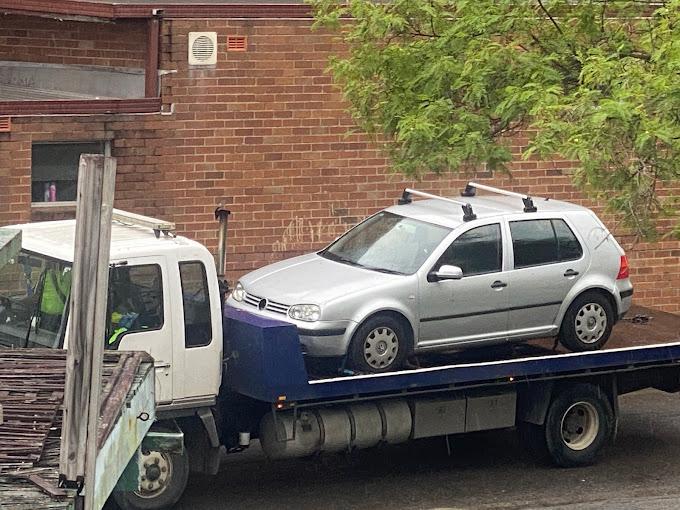
To understand how the car removal process works, you must follow the sequence of obtaining a quote, scheduling a pickup, and receiving payment during the final vehicle collection. This efficient system allows Brisbane residents to dispose of unwanted, damaged, or scrap vehicles without the stress of private negotiations or towing fees.
Modern car removal services provide a streamlined alternative to traditional sales methods. Instead of spending weeks listing a vehicle on marketplaces, you complete the entire transaction in under 24 hours. This guide explores the mechanics of the process, the legal requirements in Queensland, and the environmental benefits of choosing a licensed wrecker.
5 Primary Features of Professional Car Removal Services
Professional car removal services in Brisbane operate as high-volume vehicle acquisition and recycling businesses. Their infrastructure supports rapid transactions that individual buyers cannot match.
-
Instant Digital Valuations: Companies use real-time scrap metal market data and parts demand to provide quotes over the phone or online.
-
Complimentary Towing: Licensed operators include free removal as part of their service package, regardless of the vehicle's location in Brisbane.
-
On-the-Spot Payments: Funds are transferred via secure electronic means or provided at the moment of collection.
-
End-of-Life Recycling: Vehicles are processed in specialized facilities to salvage 80% or more of the materials, including steel and aluminium.
-
Administrative Assistance: Staff manage the QLD Department of Transport and Main Roads (TMR) paperwork to ensure a legal transfer of ownership.
How the Process Works: A Step-by-Step Breakdown
The car removal process is a 3-step system designed for maximum speed and minimal seller effort. Each stage ensures that the vehicle moves from your driveway to the recycling yard efficiently.
Step 1: Requesting Your Initial Quote
To receive an accurate quote, you must provide specific details about your vehicle. Accurate information prevents price adjustments during the physical inspection.
-
Make and Model: Common brands like Toyota, Mazda, or Ford often fetch higher prices due to parts demand.
-
Year of Manufacture: This determines the age and potential technology value.
-
Current Condition: You must state if the car is running, crashed, flood-damaged, or missing major components like the catalytic converter.
-
Location: Providing your Brisbane suburb ensures the dispatcher can calculate the nearest available tow truck.
Step 2: Scheduling the Collection
After you accept the offer, the service coordinates a pickup time that suits your schedule. Most Brisbane operators offer same-day service if the quote is finalized before midday.
Step 3: Vehicle Inspection and Payment
The driver arrives at your property to verify the vehicle's details and check your photo identification. Once the VIN (Vehicle Identification Number) matches the provided details, the payment is processed. You then hand over the keys and any relevant registration documents.
Legal and Administrative Requirements in Queensland
Selling a car for scrap in Brisbane involves specific legal obligations to protect you from future liabilities. While the process is simpler than a private sale, you must still adhere to Queensland transport regulations.
Do You Need a Roadworthy Certificate (RWC)?
No, you do not need a Safety Certificate (RWC) to sell a car to a licensed motor dealer or wrecker. In Queensland, the requirement for an RWC is waived when the vehicle is sold for scrap or to a licensed professional who will not be driving it on public roads.
Necessary Documentation
To finalize the sale, you must have 3 specific items ready:
-
Valid Photo ID: A Queensland Driver’s Licence or Passport is required for identity verification.
-
Proof of Ownership: This includes a registration certificate, a purchase receipt, or an official letter from QLD TMR.
-
Notice of Disposal: You should complete the "Transfer of Vehicle Registration" form (Form F3520) or lodge the disposal online to inform the government you are no longer responsible for the car.
Comparing Sale Methods: Why Choose Removal Services?
Choosing between a private sale, a dealer trade-in, and a car removal service depends on your vehicle's condition and your time constraints.
| Feature | Private Sale | Dealer Trade-In | Car Removal Service |
| Speed | 2–6 Weeks | 1–3 Days | Same Day |
| Price | High (Market Value) | Moderate | Scrap/Part Value |
| Condition Required | Good/Running | Good | Any Condition |
| RWC Needed? | Yes | No | No |
| Towing Included? | No | No | Yes |
The Economics of Scrap Car Valuation
Car removal companies calculate offers based on 4 quantifiable metrics. These factors ensure the offer remains fair and reflects the actual salvage value.
-
Metal Weight: The primary value of a scrap car is its weight in steel. An average sedan contains roughly 1,000kg of recyclable metal.
-
Component Demand: Functional parts like alternators, starters, and engines are sold to mechanics, increasing the vehicle's worth.
-
Catalytic Converters: These contain precious metals such as Platinum, Palladium, and Rhodium, which significantly boost the offer.
-
Current Market Rates: Scrap steel prices fluctuate daily on global markets; professional buyers adjust their quotes to match these trends.
Environmental Impact of Responsible Recycling
Car removal is an eco-friendly choice that prevents hazardous materials from entering Brisbane's ecosystems. When a car sits abandoned, it poses a risk to soil and water quality.
-
Fluid Management: Professionals drain and recycle 5 distinct fluids, including engine oil, coolant, brake fluid, transmission fluid, and fuel.
-
Battery Disposal: Lead-acid batteries are processed to prevent heavy metal contamination.
-
Steel Recovery: Recycling steel uses 74% less energy than manufacturing new steel from iron ore.
-
Tire Shredding: Old tires are repurposed into road surfacing or playground flooring rather than being sent to landfills.
Target Audience: Who Benefits Most?
The car removal process serves 4 specific groups of people in the Greater Brisbane area.
-
Homeowners: Residents looking to clear space in garages or driveways occupied by "project cars" that never started.
-
Accident Victims: Owners of vehicles involved in collisions where the cost of repair exceeds the car's market value (Total Loss).
-
Estate Executors: Individuals managing the assets of a deceased estate who need a fast, respectful way to liquidate old vehicles.
-
Busy Professionals: People who value their time and prefer a 30-minute transaction over weeks of answering marketplace inquiries.
Pros and Cons of Using Car Removal Services
| Pros | Cons |
| No Repair Costs: You sell the car "as-is" without fixing dents or mechanical issues. | Lower Price Point: You receive the wholesale or scrap value rather than the retail price. |
| Zero Advertising: You avoid listing fees on sites like Carsales or Facebook. | Limited Negotiation: Prices are largely fixed based on weight and parts. |
| Immediate Removal: The car is gone within hours, solving storage problems instantly. | No Personal Connection: The transaction is purely business-oriented. |
Final Checklist Before the Tow Truck Arrives
To ensure a smooth collection, you must perform these 5 final checks on your vehicle.
-
Remove Personal Items: Check the glovebox, under seats, and the boot for sunglasses, electronics, or documents.
-
Take Your E-Toll Tag: Ensure you remove any Transurban or Linkt tags from the windscreen to avoid future charges.
-
Remove Number Plates: In Queensland, you must remove your plates to return them to a TMR office for a potential registration refund.
-
Clear the Access Path: Move any other cars or bins that might block the tow truck's ability to reach the vehicle.
-
Gather the Keys: Even if the car does not start, having the keys allows the driver to unlock the steering column for easier loading.
By following this structured process, you ensure that your car removal experience is legal, profitable, and environmentally responsible. If you are ready to reclaim your space, the next step is to request a professional valuation from a local Brisbane specialist.
Learn more about cash for cars in Brisbane

 English
 Arabic
 French
 Spanish
 Portuguese
 Deutsch
 Turkish
 Dutch
Dutch
 Italiano
 Russian
 Romaian
 Portuguese (Brazil)