A car accident can change many things in a short time. Your vehicle may suffer minor dents, or it may have major structural damage. After the shock settles, many owners start thinking about what to do next. One common question is whether the damaged car can still be sold. The answer is yes, but there are several factors to consider before making that decision.
This guide explains what happens after an accident and what steps you should take if you want to sell your car in Australia.
Understanding the Condition of Your Car After an Accident
The first step is to assess the condition of your car. Damage can fall into three main categories: cosmetic damage, mechanical damage, and structural damage.
Cosmetic damage includes scratches, dents, broken lights, or chipped paint. Mechanical damage affects parts such as the engine, gearbox, suspension, or steering. Structural damage involves the chassis or frame of the vehicle. Structural damage is serious because it can affect safety and alignment.
In Australia, if a car is badly damaged, an insurer may classify it as a repairable write-off or a statutory write-off. A repairable write-off can be fixed and returned to the road after inspection. A statutory write-off cannot be re-registered and is usually only sold for parts or scrap.
Knowing the exact condition of your vehicle helps you decide whether to repair it before selling or to sell it as it is.
Contacting Your Insurance Company
If you have comprehensive insurance, you must contact your insurer as soon as possible after the accident. They will assess the damage and determine whether the car is economical to repair.
Insurance companies in Australia use market value or agreed value to calculate payouts. Market value is based on the current selling price of similar vehicles. Agreed value is a fixed amount decided when you took out the policy.
If the repair cost is close to or higher than the car’s market value, the insurer may declare it a write-off. In that case, they will offer you a payout and take ownership of the vehicle, unless you choose to retain the salvage. If you retain the car, the payout amount is reduced by the salvage value.
If you only have third party insurance, you may not receive any payment for damage to your own car. In that case, selling the damaged vehicle may be a practical option.
Deciding Whether to Repair or Sell As Is
After you understand the damage and insurance outcome, you need to decide whether to repair the car or sell it in its current state.
Repairing the car may increase its resale price. However, repairs can be costly. For example, replacing airbags can cost several thousand dollars. Structural repairs can also be expensive and may require inspection before registration is renewed.
Selling the car as it is may save time and repair costs. Many buyers look for damaged vehicles for parts, rebuilding projects, or scrap metal. The resale price will be lower than that of a similar car with no accident history, but it can still provide a return.
You should compare repair costs with the expected sale price after repairs. If the numbers do not make sense, selling the car without repairs may be the wiser choice.
Legal Obligations When Selling a Damaged Car
In Australia, sellers have legal duties when transferring a vehicle. One key duty is to disclose relevant information about the car’s condition.
If your car has been in a major accident, you must inform potential buyers. Failing to disclose known damage may lead to legal disputes later. A buyer has the right to know if the car has been written off, repaired, or has a recorded accident history.
Each state and territory has its own rules for vehicle transfers. In South Australia, you must provide a Notice of Disposal when selling a registered vehicle. You must also complete transfer documents and ensure any outstanding finance is cleared.
If the car is unregistered, you should remove the number plates and return them to Service SA. The buyer will need to arrange registration if they plan to use the vehicle on public roads.
For more details about unwanted car removal services in Adelaide, visit https://carremovaladelaide.com.au/unwanted-car-removal-adelaide/
Impact of Accident History on Market Value
A car that has been involved in an accident usually loses market value. Even if repairs are done well, many buyers prefer vehicles with no accident record.
Data from Australian automotive reports show that cars with recorded accident damage can lose between 10 per cent and 30 per cent of their market value, depending on the severity of the damage and the age of the vehicle. Luxury vehicles may experience higher losses because repair costs are higher and buyers are more cautious.
Vehicles listed on the Written-Off Vehicle Register carry a permanent record. Buyers can check this register before purchasing. This transparency affects pricing and buyer confidence.
Being realistic about the reduced value helps you set a fair asking price and avoid long delays in selling.
Selling Options for a Damaged Car
There are several ways to sell a car that has been in an accident.
You can list it privately. This method may bring a higher price, but it often takes longer. You must handle enquiries, inspections, and paperwork yourself.
You can trade it in at a dealership. Dealers may accept damaged cars, but they usually offer lower amounts because they factor in repair and resale costs.
You can also sell to a car removal or wrecking service. These businesses buy damaged, unregistered, and written-off vehicles. They assess the car based on usable parts, metal weight, and demand for components.
Each option has its own process and price range. Your choice depends on how quickly you want to sell and how much effort you are willing to put in.
Environmental and Safety Considerations
Selling a heavily damaged car to a licensed dismantler supports recycling and safe disposal. In Australia, metal recycling from vehicles reduces waste and supports resource recovery. Steel from scrapped cars can be melted down and reused in new products.
Fluids such as oil, coolant, and brake fluid must be drained and disposed of properly. Licensed operators follow environmental guidelines to prevent soil and water contamination.
If your car is unsafe to drive, arranging transport rather than driving it yourself reduces risk. Driving a structurally damaged vehicle can lead to further mechanical failure and legal issues.
When Selling for Wrecking Makes Sense
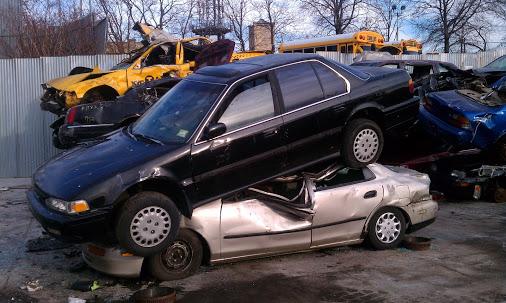
If repair costs exceed the vehicle’s value, wrecking may be the logical outcome. Older cars with high kilometres often fall into this category. A 15 year old car with major engine and chassis damage may cost more to repair than it is worth on the market.
In such cases, services that offer cash for wrecked cars Adelaide provide a practical path. Companies such as Car Removal Adelaide purchase damaged vehicles in various conditions, including those that are not roadworthy. This option links directly to the reality many owners face after an accident, where repair costs outweigh resale prospects. Instead of leaving a damaged car unused in your driveway, selling it for dismantling allows usable parts to return to circulation and metal to be recycled within the local industry.
Steps to Take Before Finalising the Sale
Before you complete the sale, take several important steps.
Remove personal belongings from the vehicle. Check the glove box, boot, and under seats.
Cancel your registration if the car is unregistered or being sold without plates. Notify your insurer to stop coverage once ownership is transferred.
Prepare service records and repair invoices. Even for a damaged car, records can support your asking price by showing maintenance history.
Complete all required transfer documents. Keep copies for your records. This protects you if fines or toll notices are issued after the sale date.
Emotional and Financial Factors
A car accident can carry emotional weight. Some owners prefer to sell a vehicle after an accident because they no longer feel safe driving it. Others may need quick funds to purchase a replacement vehicle.
From a financial view, holding onto a damaged car without repairing or selling it may lead to further depreciation. Vehicles continue to lose value over time, especially if exposed to weather or left unused.
Making a clear decision based on repair costs, resale value, and personal comfort can prevent further loss.
Final Thoughts
If your car is involved in an accident and you want to sell it, several outcomes are possible. The path you choose depends on the extent of the damage, insurance coverage, legal requirements, and market demand.
Assess the condition of the vehicle. Understand your insurance position. Consider whether repairs are financially sensible. Be honest about the accident history when selling. Explore options such as private sale, trade-in, or wrecking services.
By following these steps, you can move forward with clarity and close the chapter on your damaged vehicle in a responsible and informed way.




 English
 Arabic
 French
 Spanish
 Deutsch
 Turkish
 Dutch
Dutch
 Italiano
 Russian
 Romaian
 Portuguese (Brazil)
 Greek
Greek