Cape York is one of the most remote and culturally rich regions in Australia. It is home to many Aboriginal and Torres Strait Islander communities, strong family networks, and deep cultural traditions. Within this setting, LGBTQIA+ people live, work, and build their lives just like everyone else. Yet they often face unique challenges linked to distance, limited services, and social stigma. Advocacy, community events, and local support play a key role in creating safe and respectful spaces for all.
This guide explains how LGBTQIA+ advocacy works in Cape York, what kinds of events bring people together, and where community support can be found. It focuses on practical facts and real conditions in the region.
Understanding LGBTQIA+ Advocacy in Regional Australia
Advocacy means speaking up for equal rights, safety, and dignity. In Australia, major legal changes have shaped the lives of LGBTQIA+ people. A national postal survey in 2017 showed that 61.6 per cent of Australians supported marriage equality. After this result, the Australian Parliament passed the law allowing same sex couples to marry. This reform also applies to people living in remote regions such as Cape York.
Advocacy in regional areas often centres on basic needs. These include access to health care, protection from discrimination, and safe schools. Under the Sex Discrimination Act 1984, it is unlawful to discriminate on the basis of sexual orientation, gender identity, and intersex status in many areas of public life. This law applies across Australia, including Queensland and Cape York communities.
Local advocacy also addresses mental health. Research from the Australian Institute of Health and Welfare shows that LGBTQIA+ young people are at higher risk of psychological distress compared with their peers. In remote areas, limited access to counselling services can increase this risk. Advocacy groups work to ensure that regional clinics and outreach programs understand sexuality and gender diversity.
The Role of Community Organisations
Community organisations are vital in Cape York. They help reduce isolation and create safe networks. While larger cities have many LGBTQIA+ groups, remote regions rely on smaller, community led initiatives.
State wide organisations such as Queensland Council for LGBTI Health provide training and resources that can reach Cape York through outreach programs. These services include counselling, peer support, and education for health workers. Even if offices are based in cities, regional partnerships extend their impact.
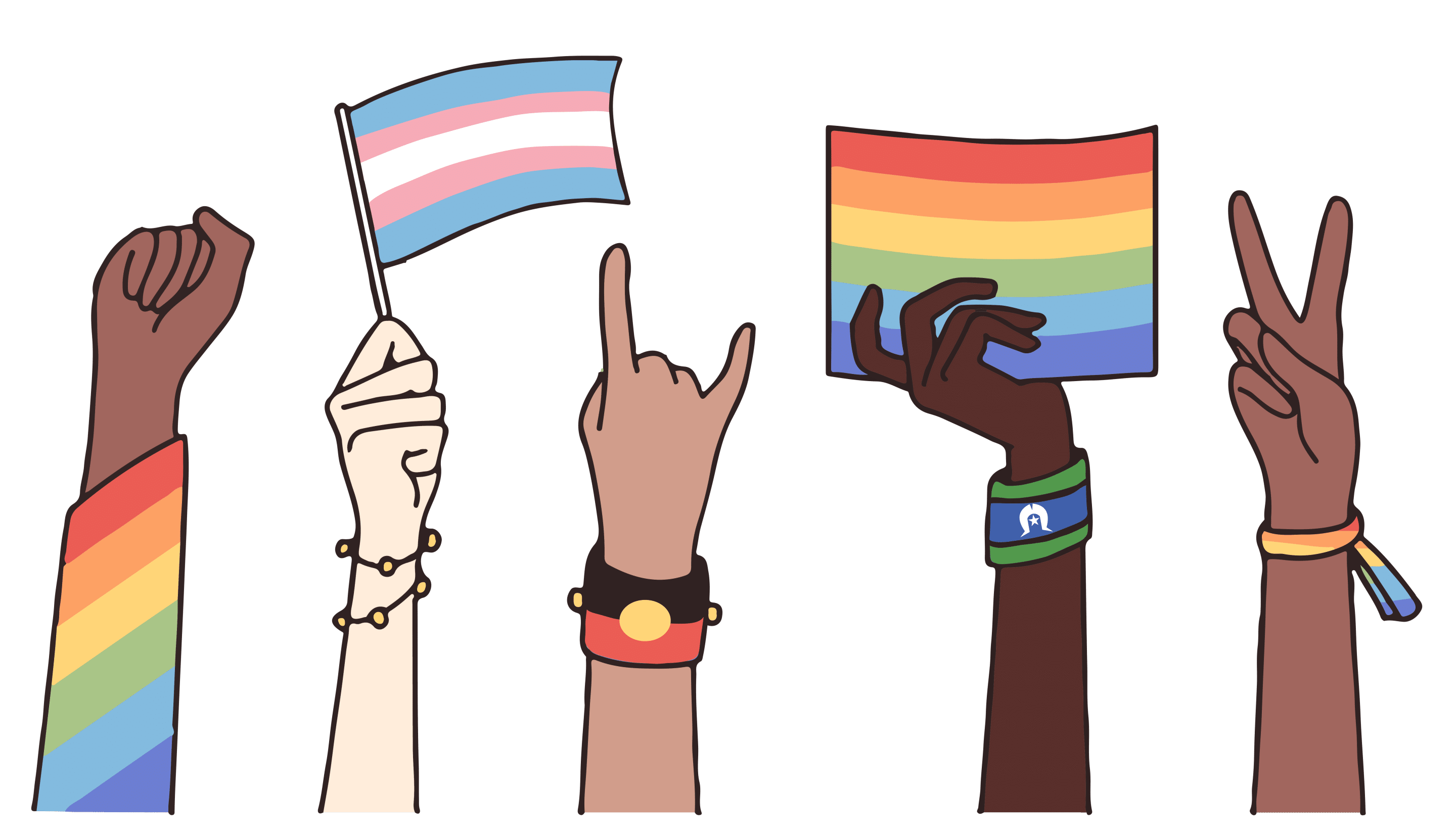
Local Aboriginal Community Controlled Health Organisations also play a strong role. These services understand cultural identity and kinship systems. For Sistergirl and Brotherboy people in First Nations communities, culturally safe support is essential. Advocacy in Cape York often combines LGBTQIA+ rights with respect for cultural heritage and community authority.
Schools, youth centres, and neighbourhood houses can also act as informal support hubs. Staff who receive inclusion training are better prepared to respond to bullying or discrimination.
Events That Build Visibility and Connection
Events create visibility and connection. In large cities, pride marches draw thousands of people. In remote areas like Cape York, events are usually smaller and community focused. They may include workshops, film nights, art projects, or health awareness days.
Across Queensland, Brisbane Pride Festival shows how celebration and advocacy can work together. While this festival takes place in Brisbane, it influences regional areas by sharing resources, performers, and campaign messages. Some Cape York residents travel to attend, then bring ideas back to their communities.
Local events in Cape York often connect LGBTQIA+ themes with broader cultural celebrations. For example, a community health day may include information about sexual health for all residents, including same sex couples and gender diverse people. This integrated approach can reduce stigma because it does not single out individuals.
Workshops on respect, identity, and anti bullying are also common. These sessions are often run in partnership with schools or youth services. They focus on practical topics such as safe language, consent, and mental wellbeing.
Health and Wellbeing Support
Health support in Cape York can be limited due to distance. Many communities rely on fly in fly out doctors or visiting specialists. Telehealth has improved access in recent years. Through online appointments, people can speak with counsellors or doctors without leaving their community.
Mental health remains a priority. Studies across Australia show higher rates of anxiety, depression, and self harm among LGBTQIA+ young people. Isolation and fear of rejection can increase these risks. Local clinics that display inclusive signage and provide confidential services can make a significant difference.
Sexual health education is also important. Accurate information about HIV prevention, testing, and treatment must reach remote areas. National campaigns often include regional outreach to ensure that people outside major cities are not left behind.
Family support services matter as well. When families understand and accept a young person’s identity, mental health outcomes improve. Community workshops that involve parents and elders can help reduce misunderstanding.
Legal Rights and Safety
Legal protection is a foundation for equality. In Queensland, anti discrimination laws protect people from unfair treatment in employment, education, and accommodation. If discrimination occurs, complaints can be made to the Queensland Human Rights Commission.
Police and community safety officers in remote areas may receive diversity training to better support LGBTQIA+ residents. Building trust between law enforcement and the community is essential, especially in small towns where privacy can be difficult to maintain.
Advocacy groups also monitor policy changes. When laws are reviewed, submissions from regional communities ensure that rural voices are heard. This participation strengthens democracy and keeps decision makers aware of conditions outside major cities.
Youth and Education Initiatives
Young people in Cape York face unique pressures. Limited anonymity in small communities can make it hard to explore identity. Supportive school environments are therefore critical.
Programs linked to Minus18 provide educational materials and youth events across Australia. While many activities are based in cities, digital resources allow schools in Cape York to access training and information.
Teachers who use inclusive language and address bullying directly create safer classrooms. School policies that clearly state zero tolerance for discrimination send a strong message. Peer support groups, even if small, can help students feel less alone.
Building Stronger Community Networks
Strong networks reduce isolation. In Cape York, word of mouth remains powerful. Trusted community leaders, health workers, and youth mentors can guide people towards support services.
Online communities also play a role. Social media groups allow LGBTQIA+ people in remote areas to connect with others across Queensland and Australia. These platforms offer advice, friendship, and shared stories. At the same time, digital safety education is important to prevent harassment.
Partnerships between local councils, health services, and cultural organisations strengthen community response. When different sectors work together, support becomes more visible and coordinated.
In this context, community driven initiatives such as Rainbow Mob cape york once provided by the company Welcome The Unwelcome have shown how culturally grounded programs can create space for connection among LGBTQIA+ people and allies in the region. By combining cultural respect with inclusive practice, such efforts align with broader advocacy goals and help bridge gaps between identity, tradition, and community wellbeing.
Challenges That Still Exist
Despite progress, challenges remain. Distance limits service delivery. Transport costs can prevent people from attending events in larger towns. Stigma can persist in close knit communities where privacy is limited.
Funding for regional programs is often lower than in metropolitan areas. Short term grants can make it difficult to maintain ongoing support groups. Skilled workers may move away, leading to gaps in knowledge and continuity.
Addressing these challenges requires long term planning. Stable funding, local leadership, and consistent training are key factors.
Looking Ahead
The future of LGBTQIA+ advocacy in Cape York depends on collaboration. Legal rights provide a framework, yet daily inclusion depends on local action. Health services, schools, families, and cultural leaders all shape the environment in which people live.
Visibility through events builds pride and awareness. Education reduces misinformation. Community support strengthens resilience. When these elements work together, LGBTQIA+ people in Cape York can live with dignity and respect while remaining connected to culture and country.
Advocacy in remote Australia is not only about policy change. It is about practical support, shared responsibility, and recognition of diversity within strong regional communities. Cape York continues to evolve, and inclusive community efforts will remain central to its social wellbeing.




 English
 Arabic
 French
 Spanish
 Portuguese
 Deutsch
 Turkish
 Dutch
Dutch
 Italiano
 Russian
 Romaian
 Greek
Greek