


What's the Best Way to Present NFC Cards at Networking Events?
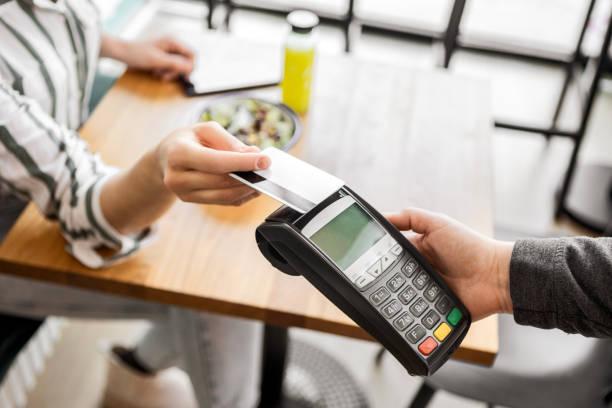
You walk into a room buzzing with industry professionals, handshakes are flying, elevator pitches are being delivered left and right — and then someone taps their phone to a sleek card and your contact information is instantly transferred. No fumbling, no paper, no forgotten business card buried in a coat pocket later. That's the quiet power of NFC cards, and if you're not using them at networking events yet, you're leaving a lasting impression on the table.
But here's the real question: owning an NFC card is only half the battle. How you present it matters just as much as the technology itself. Done well, it becomes a conversation starter. Done poorly, it turns into an awkward tech demo that stalls the momentum of a great introduction. In this guide, we'll walk through the best practices for presenting your NFC business card so you stand out — professionally, memorably, and effortlessly.
What Exactly Is an NFC Card, and Why Does It Matter?
Near Field Communication (NFC) technology allows two devices to exchange data wirelessly when they're held close together — usually within a few centimeters. NFC cards, like those from popular brands such as Popl, Blinq, HiHello, and Mobilo, embed a tiny NFC chip inside what looks like a standard business card.
When someone taps the card with their NFC-enabled smartphone, a digital profile, landing page, vCard, or any custom URL opens automatically. No app download required on the recipient's end — it just works. For professionals attending conferences, trade shows, industry mixers, and corporate events, this seamless exchange of contact information is a game-changer compared to traditional paper cards that get lost, wrinkled, or tossed.
Start With a Clean, Confident Introduction
Before the card ever comes out, you need to set the stage. Your NFC card presentation should feel natural, not rehearsed or tech-obsessed. Begin by introducing yourself clearly — your name, your role, and a quick value statement. Let the conversation begin to flow organically before you bring the card into play.
The cardinal rule: don't lead with the card. Lead with the connection. When the moment feels right — usually when there's a natural pause, or after exchanging professional context — that's when you smoothly produce your NFC card. Think of it as the punctuation at the end of a great opening sentence, not the sentence itself.
How to Physically Present Your NFC Card
The physical gesture of offering your NFC card carries weight. Hold it with both hands, card facing outward, like you would present a traditional business card in many professional cultures. This signals respect and intentionality.
Then, gently prompt the interaction: "This is an NFC card — just tap your phone to it and my contact details will come right up." A short, friendly explanation goes a long way, especially because not everyone is familiar with the technology yet. Keep the language simple and inviting rather than technical. Once they tap, the digital profile opens on their screen — and that's where the real magic happens, because your entire professional presence is right there in their hand.
Customize Your Digital Profile Before the Event
Your NFC card is only as impressive as what it links to. Before attending any networking event, spend time optimizing your digital profile or landing page. Make sure it includes your full name, job title, company, a professional headshot, and key contact details like your email, phone number, LinkedIn profile, and website.
Tools like Popl, Blinq, and HiHello let you create customizable profile pages that recipients can view and save directly to their contacts. Some platforms even let you embed portfolio links, social media handles, or a short bio video. Think of this page as your digital handshake — clean, current, and compelling. Arriving at an event with a broken link or an outdated profile is the digital equivalent of handing out a card with last year's phone number.
Use Context to Make the Tap Feel Natural
Timing and context are everything. You don't want to shove an NFC card at someone mid-sentence or interrupt a meaningful conversation just to demo your tech. Instead, look for natural transition moments: after exchanging names, when conversation wraps up, or when someone asks for your contact details.
You can even use the card as a conversation catalyst. Something like, "Here, I have one of those NFC cards — have you tried these yet?" instantly sparks curiosity and turns a simple exchange into an engaging micro-conversation about technology, innovation, and how you stay ahead. At events like CES, SXSW, Web Summit, or local Chamber of Commerce mixers, this kind of interaction is memorable precisely because it's different.
Pair NFC Cards With Strong Follow-Up Systems
The tap is the beginning, not the end. One of the most underrated aspects of using NFC business cards at networking events is what happens after the interaction. Many NFC card platforms include CRM integrations and follow-up tools. Mobilo, for instance, connects directly with platforms like HubSpot, Salesforce, and Zoho CRM, automatically logging new contacts.
Set a reminder within 24–48 hours to follow up with each new connection via email or LinkedIn. Mention something specific from your conversation to show you were truly engaged — not just handing out cards like flyers. This personal follow-up, combined with the clean digital exchange of your NFC card, creates a professional impression that sticks long after the event ends.
Handle "What If They Can't Tap?" Gracefully
Not everyone at a networking event will have an NFC-enabled phone, and some older Android devices or iPhone models with outdated iOS versions may not respond. Rather than getting flustered, have a fallback ready. Most NFC cards also include a QR code on the back that links to the same digital profile — a simple, no-fuss alternative.
You can also keep your card's URL handy to share via text or messaging apps. The key is to stay relaxed and confident. Saying, "No worries, there's also a QR code on the back," keeps the moment light and shows you're prepared. Professionals who handle technical hiccups with grace leave a stronger impression than those who only perform well when everything goes perfectly.
Dress Your Card to Match Your Brand
An NFC card isn't just functional — it's a physical extension of your personal brand. The design, material, and finish of your card should reflect the image you want to project. Providers like Popl and Mobilo offer options in matte plastic, glossy PVC, bamboo, stainless steel, and even recycled materials.
If you're in a creative field, a bold, eye-catching design signals your aesthetic sensibility. If you're in finance or law, a clean, minimal card communicates precision and professionalism. Make sure the card design aligns with your logo, color palette, and overall brand identity. A beautifully designed NFC card that someone genuinely admires is one they're more likely to tap — and remember.
Group Settings: Presenting NFC Cards at Tables and Panels
Networking doesn't always happen one-on-one. You might find yourself at a roundtable discussion, seated at a conference lunch, or participating in a panel. In these settings, you can place your NFC card flat on the table — logo-side up — as a subtle but visible cue that you're open to connections.
During breaks or introductions, you can invite nearby attendees to tap with a simple, "Feel free to grab my info — just tap the card." This low-pressure approach works especially well in environments like TEDx events, startup pitch nights, or professional association meetings where multiple conversations happen simultaneously and you don't want to feel pushy.
The Etiquette of NFC Card Exchanges
Even with the coolest technology in hand, etiquette matters. Don't tap your NFC card against someone's phone without asking — always present it and invite them to tap. Respect their pace; some people may want to explore the profile later rather than immediately. Also, avoid whipping out your NFC card in the very first seconds of conversation. It signals you're more focused on the transaction than the relationship.
In international settings or multicultural business environments, mirror the card exchange customs of your counterpart when possible. The Japanese two-handed business card presentation, for example, translates beautifully to NFC card etiquette — respectful, intentional, and gracious. Technology doesn't replace manners; it enhances them.
FAQ: NFC Cards at Networking Events
Q: Do NFC cards work with all smartphones? Most modern smartphones — including iPhone 7 and later (with iOS 14+) and the majority of Android devices made after 2015 — support NFC. For phones that don't, the QR code backup on most NFC cards ensures everyone can access your profile.
Q: Is there a monthly fee to use NFC card platforms? It depends on the provider. Platforms like HiHello and Popl offer free basic tiers with paid upgrades for advanced features like CRM integrations, analytics, and team management. Many solo professionals find free tiers sufficient for everyday use.
Q: Can I update my NFC card's digital profile after I've handed it out? Yes — this is one of the biggest advantages over paper cards. Your card's link or profile can be updated anytime through the platform's app or dashboard, and anyone who taps your card will always see the most current version of your information.
Q: Are NFC cards more sustainable than paper business cards? Generally, yes. One NFC card can replace hundreds of paper cards over its lifetime, significantly reducing paper waste. Options made from recycled materials or bamboo further minimize environmental impact, making them a great choice for sustainability-conscious professionals.
Q: What information should I include on my NFC card's digital profile? At minimum: full name, title, company, email, phone number, and LinkedIn profile. You can also add links to your portfolio, website, Twitter/X, Instagram, or a short video introduction. Avoid overloading the profile — keep it clean, focused, and easy to navigate at a glance.
Q: Is it appropriate to use an NFC card at formal corporate events? Absolutely. NFC cards are increasingly common at executive-level meetings, investor conferences, and high-profile corporate events. A well-designed, professional NFC card communicates that you're forward-thinking and detail-oriented — qualities that resonate in any formal setting.
Final Thoughts
The best way to present an NFC card at a networking event isn't really about the technology — it's about the intention behind it. Lead with genuine connection, time the card exchange naturally, ensure your digital profile is polished and up to date, and always follow up with purpose.
When you combine the efficiency of NFC technology with thoughtful, human-centered presentation, your card becomes more than a contact-sharing tool. It becomes a reflection of how you do business: smoothly, professionally, and memorably. In a room full of people handing out forgettable paper rectangles, that single tap can be the beginning of a genuinely meaningful professional relationship.

 English
 Arabic
 French
 Spanish
 Portuguese
 Deutsch
 Turkish
 Dutch
Dutch
 Italiano
 Russian
 Portuguese (Brazil)
 Greek
Greek