


Aluminium Boat Building: Lightweight Solutions for Heavy-Duty Performance
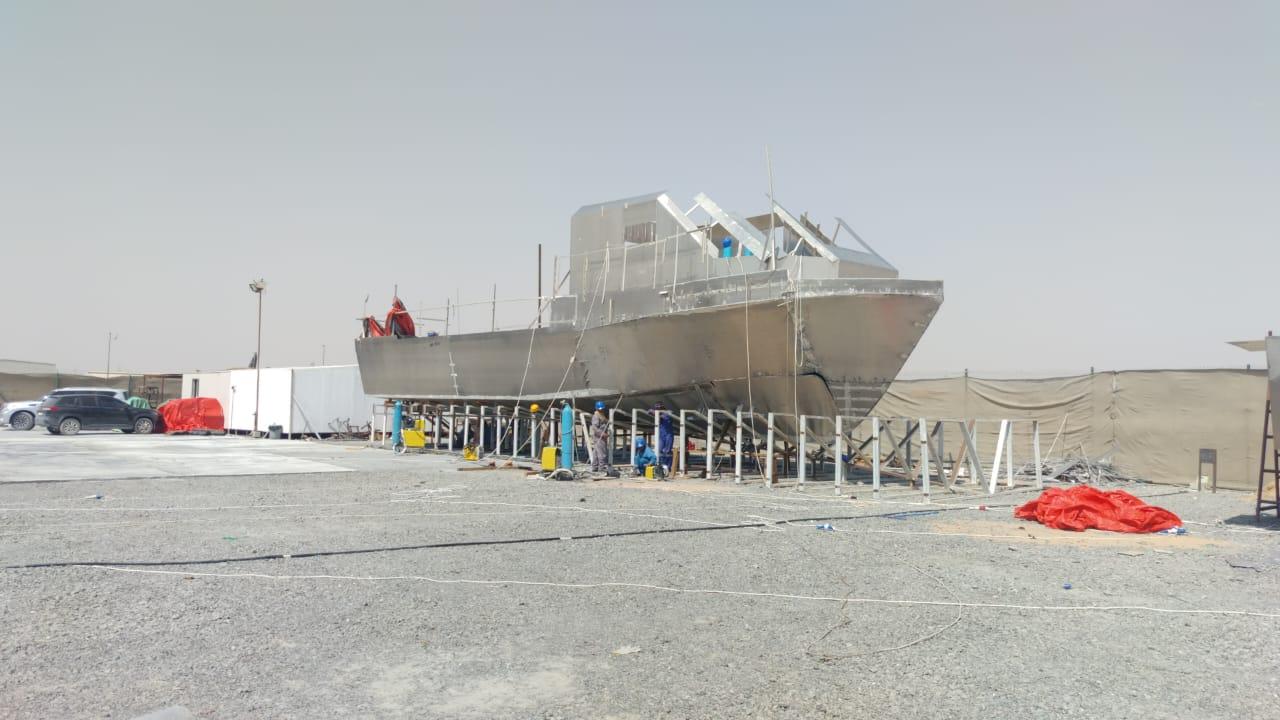
Aluminium boat building has become one of the most important innovations in the modern maritime industry. As global marine operations expand and efficiency becomes a top priority, aluminum is increasingly preferred over traditional materials like steel and wood. The reason is clear — aluminum offers lightweight construction combined with heavy-duty performance, making it ideal for commercial, industrial, and high-speed marine vessels.
Today, more than 80% of global trade by volume is transported via sea, according to international shipping statistics. With such a massive dependence on marine transportation, vessel efficiency, durability, and sustainability are critical factors. Aluminium boat construction directly addresses these requirements by delivering stronger, lighter, and more fuel-efficient vessels.
Why Aluminum is Reshaping Modern Boat Construction
Aluminum is approximately one-third the weight of steel, yet it maintains exceptional structural strength. This high strength-to-weight ratio allows vessels to operate more efficiently without compromising durability.
Because aluminum vessels are lighter, they require less engine power. Studies show that aluminum boats can improve fuel efficiency by 10–20% compared to steel vessels, depending on size and design. Over a vessel’s operational life, this reduction translates into substantial cost savings.
Additionally, aluminum naturally forms a protective oxide layer that resists corrosion. Unlike steel, it does not require heavy anti-corrosion coatings, reducing long-term maintenance costs by up to 30% over 20 years.
This is why professional aluminium boat builders across the world are focusing on advanced fabrication techniques to meet modern marine demands.
Strength That Supports Heavy-Duty Operations
Despite being lightweight, aluminum is extremely strong and flexible. Marine-grade aluminum alloys are designed to withstand harsh ocean conditions, heavy loads, and high-speed impact.
Aluminum hulls are known for their durability. Properly maintained aluminum vessels can last 30–40 years or more, making them ideal for offshore patrol boats, rescue crafts, crew transfer vessels, and workboats.
Unlike fiberglass, aluminum does not crack under pressure. In case of impact, it tends to dent rather than shatter, which simplifies repairs and improves safety. This durability ensures that even under heavy-duty marine applications, performance remains uncompromised.
Performance and Speed Advantages
One of the biggest advantages of using aluminum is improved vessel speed. A lighter hull reduces drag and enhances propulsion efficiency. Research indicates that a 15% reduction in vessel weight can increase operational speed by 5–8%, depending on hull design.
This improved performance is particularly important for patrol vessels, ferries, and service boats that depend on quick response times. Lower weight also means reduced fuel consumption, which helps operators comply with environmental regulations.
As environmental standards tighten under global maritime policies, aluminum vessels support sustainability goals by lowering carbon emissions.
Long-Term Cost Efficiency
Although the initial cost of aluminum construction may sometimes be slightly higher than steel, lifecycle savings make it more economical in the long run. Reduced fuel consumption, minimal corrosion treatment, and lower maintenance requirements contribute to better financial performance.
Industry reports suggest that aluminum vessels can lower maintenance expenses by 20–30% over two decades. Furthermore, aluminum is 100% recyclable, and nearly 75% of all aluminum ever produced is still in use today, demonstrating its long-term value.
For any modern boat building company, adopting aluminum technology is becoming a strategic decision to deliver cost-effective and future-ready vessels.
Design Flexibility and Custom Engineering
Another key advantage of aluminum is its flexibility in design. It can be easily cut, welded, and shaped into customized hull structures. This allows naval architects to optimize weight distribution, improve stability, and enhance hydrodynamic performance.
From fishing vessels and workboats to luxury yachts and offshore support vessels, aluminum adapts to various marine sectors. Modern aluminium boats manufacturers are using computer-aided design (CAD) and advanced welding technologies to achieve precise construction and structural efficiency.
Customization has become a major trend in the maritime industry, and aluminum allows for modular designs, lightweight superstructures, and improved deck layouts without sacrificing strength.
Environmental Sustainability in Marine Industry
Sustainability is a growing concern worldwide. Aluminum supports greener marine operations in multiple ways.
First, lighter vessels consume less fuel. Maritime studies show that even a 1% reduction in vessel weight can result in approximately 0.75% fuel savings. Over time, this significantly reduces greenhouse gas emissions.
Second, recycling aluminum requires up to 95% less energy compared to producing primary aluminum from raw ore. This dramatically lowers environmental impact and promotes circular economy practices.
As global maritime industries move toward eco-friendly solutions, aluminum stands out as one of the most sustainable materials available.
Safety and Reliability
Safety is critical in marine environments. Aluminum has strong fire-resistant properties and does not burn like fiberglass. It also maintains structural integrity under high temperatures.
Additionally, aluminum’s flexibility allows it to absorb shock better during collisions or rough sea conditions. This makes vessels safer for crew members and passengers.
An experienced aluminium boat builder company focuses on combining structural strength with safety engineering to ensure vessels meet international maritime standards.
Growing Global Market Demand
The global aluminum shipbuilding sector is experiencing steady growth. Market analysts estimate a compound annual growth rate (CAGR) of 4–6% for aluminum vessel construction over the coming years.
Regions with strong offshore energy activities, expanding ports, and increasing maritime trade are investing heavily in lightweight fleets. Aluminum vessels are becoming increasingly popular for patrol boats, ferries, and commercial crafts.
Companies like VU Marine demonstrate how modern aluminum fabrication can support heavy-duty marine applications while maintaining efficiency and durability.
The Future of Lightweight Marine Engineering
Technological advancements in digital hull modeling, robotic welding, and hybrid propulsion systems are further strengthening aluminum’s position in marine construction. Modern aluminum boats are now designed with precision engineering, ensuring optimal weight distribution and structural integrity.
The maritime industry is moving toward smarter, greener, and more efficient vessels. Heavy materials are no longer necessary for heavy-duty performance. Lightweight engineering has proven that strength and efficiency can go hand in hand.
Conclusion
Aluminium boat building represents the future of marine construction. By combining lightweight properties with high structural strength, aluminum delivers exceptional performance, fuel efficiency, and sustainability.
From commercial vessels to offshore support boats, aluminum continues to transform the maritime industry. With growing environmental regulations and expanding global trade, demand for efficient and durable vessels will continue rising.
Innovative companies like VU Marine highlight how aluminum technology can meet modern marine challenges while ensuring long-term operational success.
In today’s competitive maritime world, lightweight solutions are no longer optional — they are essential for achieving heavy-duty performance.

 English
 Arabic
 French
 Spanish
 Portuguese
 Deutsch
 Turkish
 Dutch
Dutch
 Italiano
 Russian
 Romaian
 Portuguese (Brazil)