


Simparica Trio: Understanding Monthly Parasite Prevention for Dogs in the United States
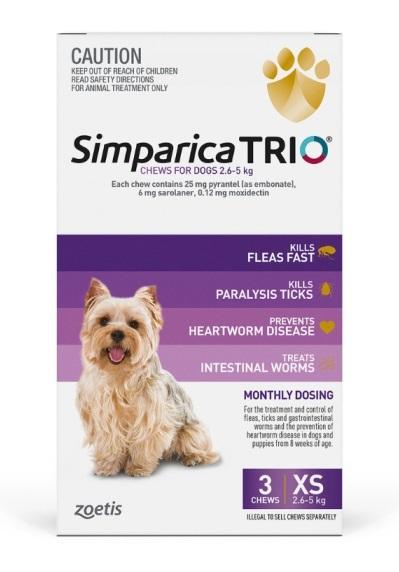
Parasite prevention is a fundamental component of canine healthcare in the United States. Dogs face exposure to a range of parasites, including fleas, ticks, heartworms, and intestinal worms. These parasites can cause discomfort, transmit disease, and in severe cases, lead to long-term health complications. As preventive veterinary care has advanced, combination medications have emerged to address multiple risks simultaneously. Among these options, Simparica Trio is frequently discussed as a monthly oral preventive designed to protect against several common canine parasites.
Understanding how Simparica Trio works, what parasites it targets, and how it fits into a comprehensive healthcare strategy helps dog owners make informed decisions in consultation with veterinary professionals.
The Parasite Landscape in the United States
The United States presents diverse environmental conditions that influence parasite activity. Fleas thrive in warm, humid climates and can remain active year-round in many southern states. Ticks are prevalent in wooded, grassy, and rural areas across much of the country, particularly in the Northeast, Midwest, and parts of the West. Heartworm disease, transmitted by mosquitoes, has been diagnosed in all 50 states.
Intestinal parasites such as roundworms and hookworms are also common, particularly in puppies and dogs that spend time outdoors. These parasites may be transmitted through contaminated soil, ingestion of infected prey, or contact with fecal matter.
Because exposure risks vary by region and lifestyle, preventive care often requires a broad and consistent approach.
What Simparica Trio Is Designed to Do
Simparica Trio is formulated as a monthly chewable tablet for dogs. It combines active ingredients intended to address fleas, certain tick species, heartworms, roundworms, and hookworms within a single dose.
After ingestion, the medication is absorbed into the bloodstream. Fleas and ticks are exposed when they feed on the dog, leading to their elimination. The heartworm component works by preventing immature larvae transmitted by mosquitoes from developing into adult worms. The intestinal parasite components treat and control common roundworms and hookworms.
By targeting multiple parasites in one tablet, Simparica Trio simplifies preventive routines for many dog owners. However, veterinary consultation is essential before starting any combination medication.
The Importance of Comprehensive Prevention
Parasites rarely exist in isolation. A dog living in a tick-prone area may also face heartworm risk due to mosquito exposure. Puppies are particularly susceptible to intestinal worms, while adult dogs may encounter fleas in both urban and rural settings.
Using separate medications for each parasite type can increase the likelihood of missed doses or inconsistent coverage. A combination preventive such as Simparica Trio aims to reduce this complexity by consolidating protection into one monthly administration.
Consistency is key. Missing even one monthly dose can create gaps in protection, particularly for heartworm prevention, where the medication works by eliminating larvae acquired during the previous month.
Regional Considerations Across the United States
Parasite prevalence varies significantly by geographic region. In southeastern states, flea and mosquito activity may persist throughout the year. In the Northeast and Upper Midwest, ticks associated with Lyme disease are especially active during warmer months. Western states also report tick species capable of transmitting illness.
Dogs that travel between regions may encounter different parasite risks than those who remain in one area. For example, a dog living in a northern state may face increased mosquito exposure when visiting a southern coastal area.
Veterinarians typically consider local parasite trends when recommending preventive strategies. Year-round prevention is commonly advised in many parts of the country due to the widespread presence of mosquitoes and fleas.
Administration and Dosing Guidelines
Simparica Trio is prescribed based on a dog’s body weight. Accurate weight measurement ensures proper dosing and helps reduce the risk of under- or overdosing. Puppies must meet minimum age and weight requirements before beginning treatment.
Monthly administration should occur on a consistent schedule. Many veterinarians recommend giving the tablet on the same day each month. Setting reminders or linking administration to another recurring activity may help maintain compliance.
Because heartworm prevention is included, dogs are typically tested for heartworm infection before starting the medication. Annual testing may also be recommended to confirm ongoing protection.
Safety and Potential Side Effects
As with any medication, Simparica Trio may cause side effects in some dogs. Mild reactions can include vomiting, diarrhea, decreased appetite, or lethargy. These effects are generally temporary but should be monitored.
In rare cases, neurological reactions such as tremors or seizures have been reported in association with certain oral parasite preventives. Dogs with a history of seizures or neurological conditions should be evaluated carefully before beginning treatment.
Veterinary oversight ensures that the medication is appropriate for the individual dog’s health profile. Reporting unusual symptoms promptly supports safe and responsible use.
Lifestyle Factors and Exposure Risk
A dog’s daily routine significantly influences parasite exposure. Dogs that hike, camp, hunt, or spend time in wooded environments face increased tick risk. Those living in mosquito-dense areas may have higher heartworm exposure. Dogs that frequent dog parks or grooming facilities may encounter fleas.
Urban dogs are not exempt from risk. Mosquitoes breed in standing water found in city environments, and fleas can spread in communal living spaces.
Because Simparica Trio addresses multiple parasites simultaneously, it may be considered for dogs with varied exposure risks. However, selection should always be guided by veterinary evaluation rather than convenience alone.
Multi-Dog Households and Coordinated Care
In households with multiple dogs, coordinated preventive coverage is essential. Treating one dog while leaving others unprotected can allow parasites to persist and spread. Fleas reproduce rapidly, and intestinal worms can be transmitted through shared environments.
Administering Simparica Trio to all eligible dogs within a household, under veterinary supervision, may help reduce reinfestation risk. Maintaining hygiene, including regular cleaning of bedding and yard maintenance, further supports parasite control.
Consistency across all pets simplifies management and enhances overall effectiveness.
Environmental Management
While medication plays a central role in parasite prevention, environmental management remains important. Regular vacuuming, washing bedding in hot water, and keeping living areas clean can reduce flea egg survival. Maintaining trimmed grass and removing leaf litter may decrease tick habitats in yards.
Standing water should be eliminated when possible to reduce mosquito breeding sites. Although preventive medication addresses parasites that feed on the dog, environmental measures complement its effectiveness.
Integration into Comprehensive Veterinary Care
Simparica Trio is only one component of a broader canine wellness plan. Routine vaccinations, balanced nutrition, dental care, regular exercise, and annual wellness exams contribute to long-term health.
Parasite prevention supports this overall plan by reducing the likelihood of diseases that can compromise cardiovascular, gastrointestinal, or dermatological health. Heartworm disease, in particular, can cause significant damage if not prevented.
Annual veterinary visits allow for reassessment of preventive strategies, especially as dogs age or experience lifestyle changes.
Public Health Considerations
Some parasites affecting dogs also have public health implications. Roundworms and hookworms can pose zoonotic risks under certain conditions. Ticks carried indoors may increase human exposure risk.
By maintaining consistent preventive coverage, dog owners may indirectly contribute to reducing parasite presence in the household environment.
Responsible pet ownership includes awareness of these broader considerations and adherence to professional guidance.
Conclusion
Simparica Trio is a monthly oral medication used in the United States to address multiple canine parasites, including fleas, ticks, heartworms, roundworms, and hookworms. Its combination approach simplifies preventive routines while providing broad-spectrum coverage.
Because parasite risks vary by region, lifestyle, and individual health factors, veterinary consultation is essential before initiating treatment. Consistent monthly dosing, routine testing for heartworm, and attentive monitoring for side effects enhance safety and effectiveness.
When integrated into a comprehensive healthcare plan, preventive tools such as Simparica Trio contribute to reducing parasite-related risks and supporting long-term canine health across diverse environments in the United States.

 Arabic
 French
 Spanish
 Portuguese
 Deutsch
 Turkish
 Dutch
Dutch
 Italiano
 Russian
 Romaian
 Portuguese (Brazil)
 Greek
Greek