


Sanibel Home Builders: Coastal Construction, Custom Design, and Regulatory Considerations on Sanibel Island
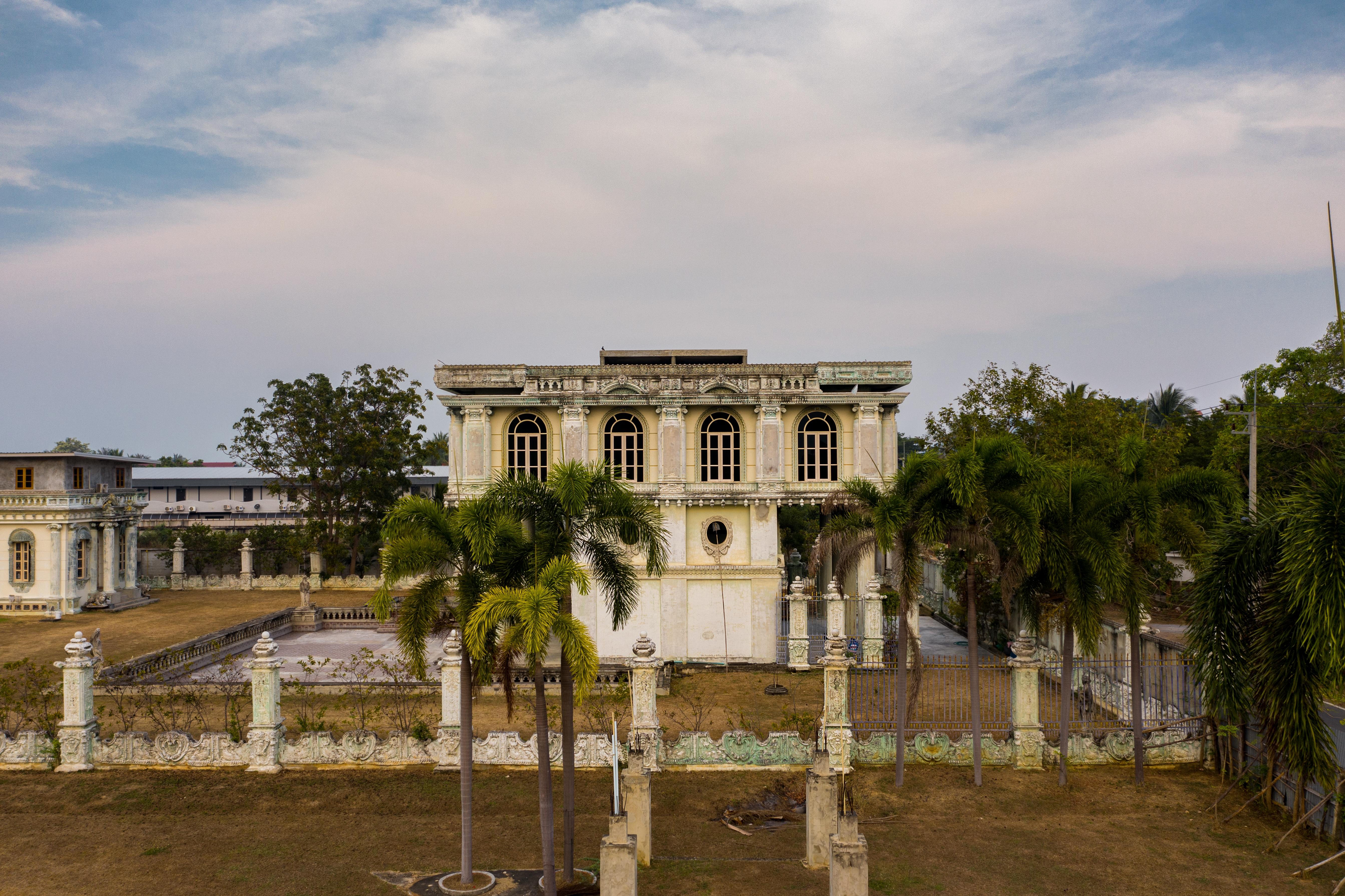
Coastal construction in Southwest Florida requires specialized expertise, particularly on barrier islands where environmental preservation and hurricane resilience are central concerns. On Sanibel Island, sanibel home builders operate within a carefully regulated framework that balances residential development with ecological protection. Located in Lee County, Florida along the Gulf Coast, Sanibel Island is known for its low-density planning, protected wildlife habitats, and distinctive architectural character.
Unlike mainland communities such as Fort Myers, Sanibel enforces strict development standards intended to preserve its natural landscape. As a result, sanibel home builders must navigate zoning regulations, floodplain requirements, and coastal construction guidelines while delivering structurally sound and customized homes.
Understanding how these builders operate offers insight into the unique demands of residential construction on one of Florida’s most environmentally sensitive barrier islands.
The Distinctive Environment of Sanibel Island
Sanibel Island is widely recognized for its beaches, shelling culture, and commitment to conservation. A significant portion of the island is protected through environmental initiatives, including areas associated with the J. N. Ding Darling National Wildlife Refuge. This preservation-focused philosophy shapes land use policies and construction regulations across the island.
Height restrictions, vegetation protection ordinances, and strict zoning rules influence the design and scale of residential properties. Sanibel home builders must ensure that new construction aligns with these standards while also meeting modern building code requirements.
The island’s exposure to hurricanes and tropical storms further shapes construction methods, making storm resistance a primary design consideration.
The Role of Sanibel Home Builders
Sanibel home builders oversee custom residential construction, major renovations, and storm recovery projects. Their responsibilities often include:
-
Coordinating architectural and engineering plans
-
Securing building permits and environmental approvals
-
Managing subcontractors and skilled trades
-
Ensuring compliance with Florida Building Code
-
Scheduling inspections and final approvals
Because each lot on Sanibel Island presents unique characteristics—such as varying elevations, vegetation density, and shoreline proximity—projects require individualized planning.
Builders must also remain knowledgeable about local ordinances that protect native plants and coastal ecosystems.
Coastal Construction and Floodplain Requirements
Barrier island construction demands heightened attention to flood risks and wind exposure. Sanibel home builders must incorporate design strategies that address these challenges.
Elevated Foundations
Many homes on Sanibel Island are constructed on pilings or elevated foundations to comply with floodplain regulations. Flood elevation certificates determine minimum building heights above base flood levels.
Elevated designs not only reduce flood risk but also help protect structural integrity during storm surge events.
Wind Mitigation Features
Florida’s building codes require homes to withstand high wind speeds. Builders typically include:
-
Reinforced concrete block construction
-
Hurricane straps and roof tie-down systems
-
Impact-resistant windows and doors
-
Storm-rated garage doors
These features enhance durability and may influence homeowner insurance premiums.
Corrosion-Resistant Materials
Salt air accelerates corrosion. Sanibel home builders frequently use stainless steel fasteners, treated lumber, and protective coatings to extend the lifespan of structural components.
The Custom Home Building Process
Custom residential construction is the primary focus of sanibel home builders. Due to limited lot availability and strict development controls, individualized design is common.
Site Evaluation and Planning
The process begins with site analysis. Builders evaluate soil conditions, drainage patterns, flood zone classifications, and vegetation requirements. Preserving native trees and mangroves is often mandatory.
Architects then design homes that maximize natural light and Gulf views while respecting setback and height limitations.
Permitting and Review
Permitting on Sanibel Island involves multiple stages of review, including:
-
Local building department approval
-
Floodplain compliance verification
-
Coastal construction control line review
-
Environmental impact assessments
These procedures help ensure that projects align with both safety and conservation standards.
Construction and Inspection
During construction, inspectors assess structural framing, electrical systems, plumbing installations, and safety measures. Each stage must meet code requirements before proceeding.
Sanibel home builders coordinate these inspections to maintain compliance and minimize delays.
Renovations and Post-Storm Rebuilding
Sanibel Island has experienced significant hurricane impacts over the years. Post-storm rebuilding is an essential part of construction activity on the island.
Sanibel home builders often manage:
-
Roof replacements
-
Structural repairs
-
Window and door upgrades
-
Foundation elevation retrofits
Homes originally built under earlier codes may require substantial upgrades to meet current flood and wind resistance standards.
Rebuilding projects frequently incorporate enhanced mitigation features to improve resilience against future storms.
Environmental Stewardship and Vegetation Protection
Environmental preservation is central to Sanibel Island’s development philosophy. Regulations protect native vegetation and wildlife habitats.
Sanibel home builders must comply with:
-
Tree removal permit requirements
-
Mangrove protection laws
-
Stormwater management guidelines
-
Habitat preservation standards
Drainage systems are carefully designed to prevent erosion and protect surrounding ecosystems. Construction activities are monitored to minimize environmental impact.
These measures reflect the island’s commitment to conservation while accommodating responsible residential development.
Architectural Styles and Community Identity
Sanibel Island maintains a distinctive architectural identity shaped by coastal influences and conservation values. Popular styles include:
Old Florida Coastal
Elevated homes with wood siding, metal roofs, and wide porches reflect traditional island architecture. Shaded outdoor spaces provide protection from sun and rain.
Coastal Contemporary
Modern designs incorporate open layouts, expansive glass panels, and indoor-outdoor living areas. Structural reinforcements remain central to these homes.
Sanibel home builders must work within height limitations to preserve the island’s low-rise character and scenic views.
Cost Factors in Sanibel Home Construction
Building on a barrier island generally involves higher costs compared to mainland projects. Several factors influence expenses:
-
Elevated foundation systems
-
Specialized engineering and structural reinforcements
-
Environmental compliance fees
-
Transportation logistics for materials
-
Corrosion-resistant building materials
Limited land availability further affects property values and construction planning.
Builders must account for these variables during budgeting and scheduling.
Insurance and Risk Management
Flood insurance is typically required for properties located in designated flood zones. Wind mitigation features may reduce insurance premiums by improving structural resistance.
Sanibel home builders integrate protective measures into design plans to comply with insurance industry expectations and regulatory standards.
Risk management strategies also include stormwater drainage planning and debris impact protection.
Challenges Facing Sanibel Home Builders
Construction on Sanibel Island presents several ongoing challenges:
-
Strict environmental regulations
-
Hurricane exposure
-
Limited lot availability
-
Lengthy permitting timelines
-
Material supply chain disruptions
After significant storm events, rebuilding efforts may strain labor resources and extend project schedules. Builders must remain adaptable and informed about evolving building codes.
Future Trends in Sanibel Home Construction
Looking ahead, sanibel home builders are likely to emphasize:
-
Increased climate resilience
-
Sustainable building materials
-
Energy-efficient systems
-
Smart home integration
-
Advanced stormwater management
As environmental considerations continue to shape development policies, construction practices may incorporate innovative materials and engineering solutions.
Balancing modernization with conservation will remain central to residential growth on Sanibel Island.
Conclusion
Sanibel home builders operate within one of Florida’s most carefully regulated and environmentally sensitive coastal environments. On Sanibel Island, residential construction requires adherence to strict zoning rules, floodplain regulations, and hurricane mitigation standards.
From custom home design to storm recovery projects, builders must integrate structural resilience with environmental stewardship. As part of Lee County, Florida, Sanibel Island continues to balance development with preservation.
Understanding the responsibilities, regulatory requirements, and environmental challenges involved provides valuable insight into how sanibel home builders contribute to maintaining the island’s distinctive character while adapting to evolving construction standards in the United States.

 English
 Arabic
 French
 Spanish
 Portuguese
 Deutsch
 Turkish
 Dutch
Dutch
 Italiano
 Russian
 Romaian
 Greek
Greek