Dog Bite Safety for Veterinarians
Dog bite safety for veterinarians is critical in veterinary clinics. Every day, veterinarians handle animals of all sizes and temperaments. Therefore, knowing how to prevent bites is essential for staff safety.
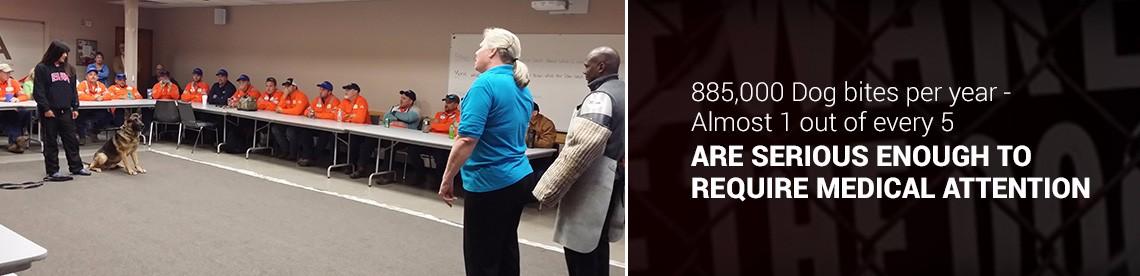
Even the most well-behaved dogs can react unpredictably. Because of stress, fear, or pain, bites can happen quickly. Moreover, injuries can lead to medical issues, downtime, and liability concerns.
This guide provides practical strategies to protect veterinarians and clinic staff while maintaining excellent animal care.
Why Dog Bite Safety Matters in Veterinary Clinics
Veterinarians face high-risk situations regularly. Handling dogs during exams, vaccinations, or procedures can provoke defensive behavior.
Physical and Financial Risks
Dog bites can cause serious injuries. Therefore, medical treatment, workers’ compensation, and lost productivity become major concerns.
Moreover, repeated incidents can impact clinic reputation and employee morale. Prevention is far more cost-effective than dealing with injuries after they occur.
Protecting Staff Confidence
Safety measures ensure staff feel secure while performing their duties. Also, confident veterinarians provide better care and maintain professional standards.
Common Situations Leading to Dog Bites
Understanding high-risk scenarios helps reduce incidents.
During Restraint and Examination
Dogs may bite when restrained for exams or procedures. Because fear triggers defensive reactions, veterinarians must anticipate sudden movements.
During Medical Procedures
Vaccinations, nail trims, and dental cleanings can startle dogs. Moreover, pain can make even familiar dogs defensive.
Handling Unknown or Aggressive Dogs
New patients or stray animals pose higher risks. Therefore, protocols for assessing temperament are essential.
Key Dog Bite Safety Strategies
A structured safety approach protects both staff and patients.
1. Proper Animal Handling Techniques
Training in handling reduces risk. Employees should:
-
Use calm and confident body language
-
Avoid sudden movements or loud noises
-
Use appropriate restraint tools
-
Monitor dog behavior constantly
Because dogs respond to posture and tone, proper technique prevents many bites.
2. Implement Risk Assessment Protocols
Before handling, evaluate each dog’s temperament. Look for warning signs like growling, raised fur, stiff posture, or lunging behavior.
Moreover, clinics should label records with aggression warnings for repeat patients. Therefore, staff are prepared in advance.
3. Use Protective Equipment
Protective gloves, bite sleeves, and muzzles can prevent injuries. However, tools should complement proper handling, not replace it.
Also, ensure staff are trained in safe muzzle placement and use.
Building a Dog Bite Safety Program
Creating a culture of safety strengthens protection.
Written Safety Policies
Documented protocols guide staff actions. Policies should explain restraint methods, bite risk assessment, and incident reporting.
Moreover, clear rules reduce hesitation and ensure consistent safety practices.
Regular Training and Refreshers
Ongoing training keeps skills sharp. Because habits fade, regular sessions ensure techniques remain effective.
Role-playing real-life scenarios enhances staff readiness and confidence.
Reporting and Data Tracking
All bite incidents, near-misses, and aggressive behavior should be recorded. Therefore, clinics can identify patterns and improve protocols.
Expert Support for Safer Clinics
Professional guidance improves results. Expert-led programs help design training, safety policies, and incident prevention strategies. After implementing internal protocols, many clinics partner with bulliray for specialized dog bite safety solutions.
Moreover, expert input ensures compliance with safety standards and long-term effectiveness. A structured approach guarantees consistent protection for veterinary teams.
Creating a Culture of Awareness
Safety is not just procedures; it is mindset.
Encourage staff to communicate concerns and report risks immediately. Therefore, management can act quickly.
Also, recognize staff who follow safety protocols diligently. Positive reinforcement promotes responsible behavior throughout the clinic.
When safety becomes part of daily operations, incidents naturally decrease.
Benefits of Strong Dog Bite Safety
Implementing effective dog bite safety for veterinarians programs delivers clear benefits:
-
Fewer injuries and medical claims
-
Reduced downtime and lost productivity
-
Improved staff confidence and morale
-
Stronger clinic reputation
-
Safer and more controlled patient handling
Because veterinary clinics handle unpredictable animals, investing in prevention is crucial.
Conclusion
Dog bite safety for veterinarians protects both staff and animals. Bites can happen unexpectedly, but proactive measures make them less likely.
With proper training, risk assessment, protective equipment, and professional support, veterinary teams can reduce injuries significantly. Moreover, fostering a culture of awareness ensures ongoing safety.
By investing in prevention today, clinics create safer, more productive, and more confident veterinary workplaces.




 English
 Arabic
 Spanish
 Portuguese
 Deutsch
 Turkish
 Dutch
Dutch
 Italiano
 Russian
 Romaian
 Portuguese (Brazil)
 Greek
Greek