


How to Choose the Best Body Lotion for Your Skin
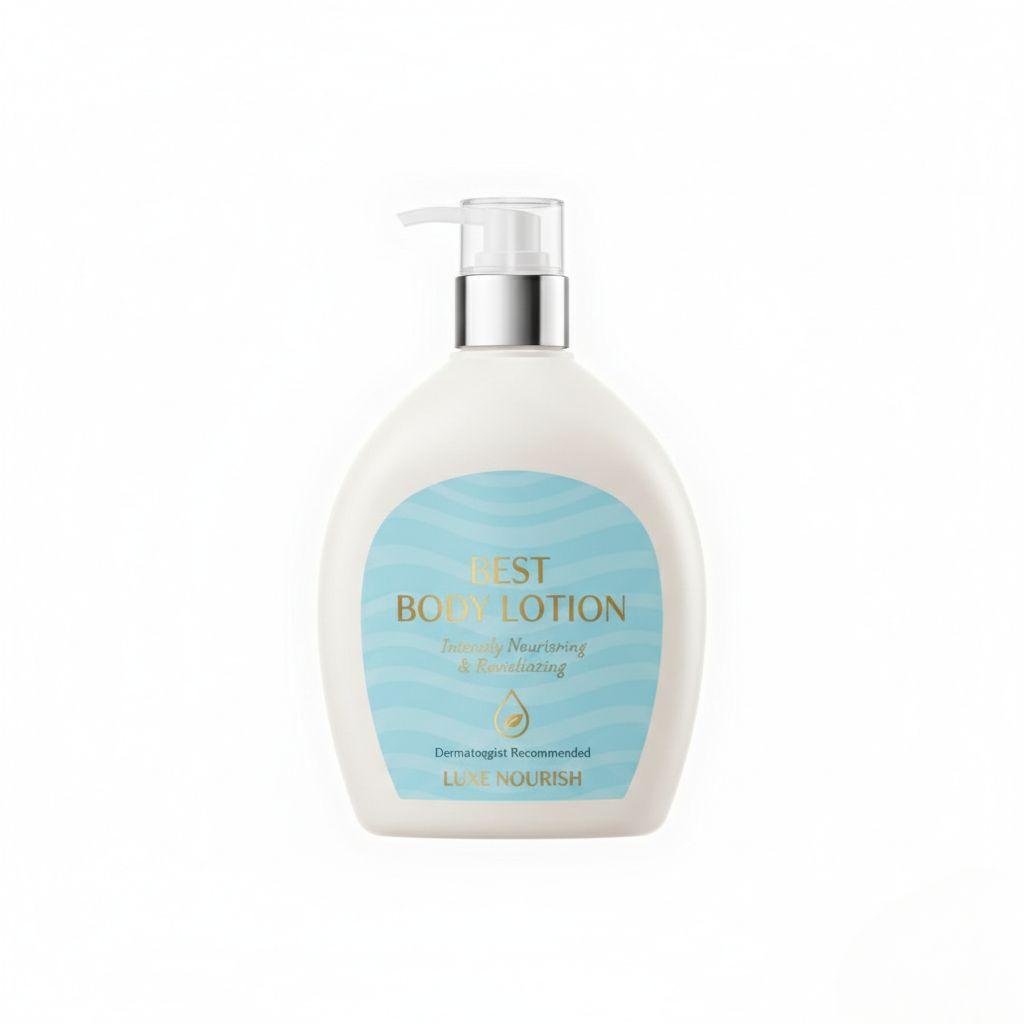
The best body lotion is one that matches your skin type, supports your skin barrier, and keeps your skin comfortable for hours without feeling greasy or heavy. Instead of choosing based on fragrance or packaging, focus on ingredients and texture. Dry skin needs richer formulas with oils and butters. Oily skin benefits from lightweight, fast-absorbing lotions. Sensitive skin requires simple, fragrance-controlled formulas. When the formula matches your skin’s needs, results are noticeable within days.
Why Choosing the Right Lotion Matters
Many people buy body lotion based on scent or brand familiarity. While those factors may enhance the experience, they do not determine performance. A lotion that works beautifully for one person may feel sticky, ineffective, or irritating for someone else.
Your skin type determines how much moisture you need, how quickly you lose hydration, and how your skin reacts to certain ingredients. Using the wrong formula can lead to clogged pores, persistent dryness, or even irritation.
Body lotion is not just about softness. It supports your skin barrier, reduces moisture loss, and improves overall texture when chosen correctly.
Understanding Your Skin Type
Before buying any product, identify your skin type. This step makes selection easier and prevents trial-and-error purchases.
Dry Skin
Dry skin often feels tight after showering. You may notice flaking, rough patches, or dullness. In this case, choose thicker lotions containing:
-
Shea butter
-
Cocoa butter
-
Ceramides
-
Glycerin
-
Hyaluronic acid
These ingredients help restore lost moisture and reinforce the skin barrier.
Oily Skin
Oily body skin is less common than oily facial skin but still occurs, especially in humid climates. Heavy creams can feel uncomfortable and may cause breakouts.
Look for:
-
Lightweight, water-based formulas
-
Aloe vera
-
Niacinamide
-
Non-comedogenic labels
These options hydrate without leaving residue.
Combination Skin
Some areas of your body may feel dry while others feel normal. In this case, medium-weight lotions work best. You can also layer richer creams only on drier areas like elbows and knees.
Sensitive Skin
Sensitive skin reacts quickly to fragrance, dyes, or alcohol. Choose simple formulas labeled fragrance-free and dermatologist-tested. Avoid strong essential oils if irritation is common for you.
Key Ingredients That Actually Make a Difference
When scanning labels, focus on functional ingredients rather than marketing claims.
Humectants such as glycerin and hyaluronic acid draw moisture into the skin.
Emollients like plant oils and butters smooth rough texture.
Occlusives such as petrolatum or certain waxes create a barrier that reduces water loss.
A balanced formula usually contains a mix of these components. This combination helps maintain hydration for longer periods instead of providing only short-term softness.
At this point, many shoppers begin comparing options to find the best body lotion for their specific concerns. The right formula should absorb well, feel comfortable throughout the day, and visibly improve texture over consistent use.
Texture and Absorption Matter
Performance is not just about ingredients. Texture influences how consistently you will use the product.
-
Lotions are lighter and absorb quickly.
-
Creams are thicker and more nourishing.
-
Body butters are dense and ideal for very dry skin.
If a product feels too heavy, you are less likely to apply it daily. Comfort encourages consistency, and consistency delivers results.
When and How to Apply for Maximum Results
Application timing plays a major role in hydration levels.
Apply within two to three minutes after showering. Skin absorbs moisture more effectively while slightly damp.
Use enough products. A small coin-sized amount is rarely sufficient for larger areas.
Massage thoroughly. Proper absorption improves softness and reduces surface dryness.
For extremely dry skin, reapply at night before bed. Overnight hydration often produces noticeable improvements by morning.
Seasonal Adjustments
Your skin’s needs change throughout the year.
During colder months, indoor heating reduces humidity and increases dryness. Thicker creams may become necessary.
In warmer months, lighter lotions often feel more comfortable and reduce stickiness. Switching formulas seasonally helps maintain balance without overloading the skin.
Price vs Performance
Expensive does not automatically mean better. Many affordable lotions contain high-quality moisturizing ingredients. Instead of focusing on price alone, read ingredient lists and test texture whenever possible.
However, extremely inexpensive products sometimes rely heavily on fillers and fragrance rather than functional moisturizers. A moderately priced lotion with proven ingredients usually offers better long-term results.
Common Mistakes to Avoid
-
Applying lotion only when skin feels dry instead of daily
-
Using very hot water that strips natural oils
-
Choosing products solely based on fragrance
-
Ignoring ingredient lists
Consistency and informed choices matter more than brand popularity.
Conclusion
Choosing the best body lotion starts with understanding your skin type and selecting ingredients that address its specific needs. Dry skin requires richer support, oily skin benefits from lightweight hydration, and sensitive skin needs minimal irritation. Texture, absorption, and seasonal changes also influence results. When you align your lotion with your skin’s natural behavior, hydration becomes easier to maintain and long-term comfort improves.
Frequently Asked Questions
Q.1 How often should I apply body lotion?
Once daily is sufficient for most people, ideally after showering. Very dry skin may benefit from twice-daily application.
Q.2 Can body lotion expire?
Yes. Most lotions have a shelf life of one to three years. Check packaging for expiration or period-after-opening symbols.
Q.3 Is body butter better than lotion?
Body butter is thicker and better for very dry skin. Lotion is lighter and better suited for normal to slightly dry skin.
Q.4 Can I use the same lotion year-round?
You can, but many people benefit from switching to richer formulas in winter and lighter ones in summer.
Q.5 What ingredient should I avoid if I have sensitive skin?
Avoid high concentrations of synthetic fragrance, drying alcohols, and artificial dyes if your skin reacts easily.

 Arabic
 French
 Spanish
 Portuguese
 Deutsch
 Turkish
 Dutch
Dutch
 Italiano
 Russian
 Romaian
 Portuguese (Brazil)
 Greek
Greek