


Automating the "Staging" process: How AI decides which tooth moves first.
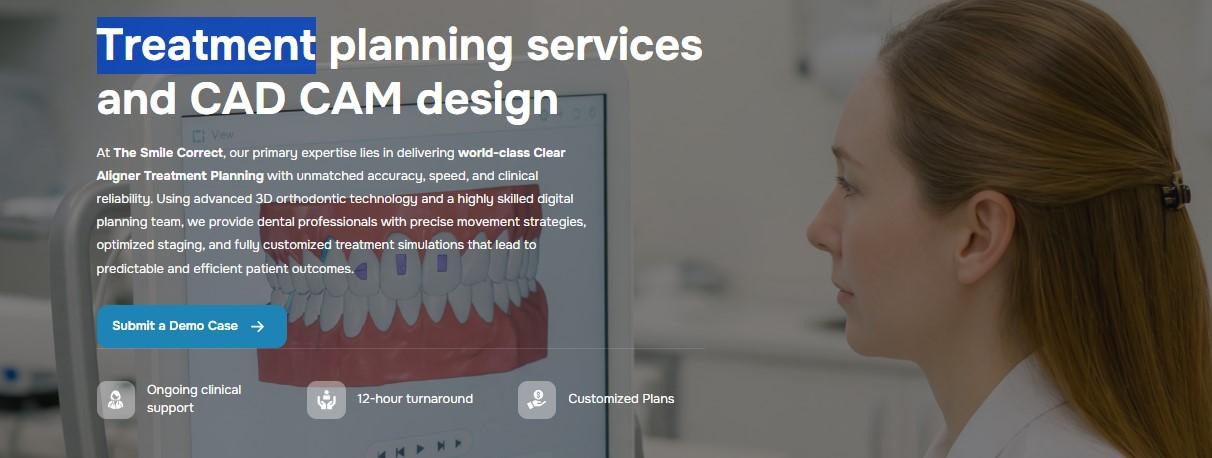
What is Staging?
If you tried to move all your teeth at once, it would be painful and inefficient. "Staging" is the process of deciding which teeth move in Month 1, Month 2, and so on. It’s like a complex game of musical chairs where every tooth needs a specific path to its destination.
AI Pathfinding
In 2026, AI algorithms handle most of the "heavy lifting" for staging. The AI looks at your 3D model and calculates the most efficient sequence. It ensures that "Anchor Teeth" stay still while "Target Teeth" move, preventing the whole system from collapsing.
Reducing Pain
By automating the staging, the software ensures that the pressure is distributed evenly. It prevents "spikes" in force that cause significant pain. A well-staged plan feels much more "gentle" because the movements are small, incremental, and logically sequenced.
Avoiding "Collisions"
Teeth can’t move through each other. If the staging is wrong, one tooth might "bump" into another, stalling the treatment. AI "collision detection" spots these potential traffic jams months before they happen, allowing the doctor to adjust the path early.
Human Oversight
While the AI proposes the stages, the orthodontist always gives the final approval. They might know, for example, that you have a wedding in Month 6 and want your front teeth straightened first. The combination of AI logic and human empathy creates the perfect plan.
The advancement of 3D simulation technology has fundamentally transformed the orthodontic industry. Where patients once had to place blind trust in their orthodontist's expertise, they can now actively participate in treatment planning by visualizing their future results. This technology leverages sophisticated algorithms that analyze facial structure, tooth positioning, and biomechanical factors to create highly accurate predictions of treatment outcomes.
Modern 3D simulation software integrates seamlessly with digital scanning equipment, creating a comprehensive digital workflow that eliminates the need for messy physical impressions. The software processes millions of data points captured during the scanning process, constructing a detailed three-dimensional model that can be manipulated and adjusted in real-time. Orthodontists can show patients multiple treatment scenarios, comparing different approaches and discussing the pros and cons of each option.
Patient engagement has increased dramatically since the introduction of visualization tools. Research indicates that patients who view their projected results before beginning treatment demonstrate higher compliance rates, fewer missed appointments, and greater overall satisfaction. The psychological impact of seeing one's future smile cannot be underestimated—it transforms an abstract concept into a tangible goal that motivates patients throughout their treatment journey.
The technology continues to evolve rapidly, with new features being added regularly. Current systems can simulate not just tooth movement but also changes in facial profile, gum tissue response, and even the impact on speech patterns. Some advanced platforms now incorporate augmented reality features, allowing patients to see their future smile overlaid on their live reflection or photograph. This level of detail helps patients make confident, informed decisions about their orthodontic treatment.
Orthodontic software platforms today represent decades of research and development in both clinical orthodontics and computer science. These systems incorporate biomechanical models derived from thousands of successful treatments, applying proven principles to each new case. The algorithms account for factors like bone density, root length, periodontal health, and individual tooth morphology to create customized treatment plans that respect biological limitations while achieving aesthetic goals.
Integration capabilities set modern orthodontic software apart from earlier systems. Today's platforms can import data from CBCT scanners, intraoral scanners, facial analysis cameras, and even patient photographs. This comprehensive data integration creates a holistic view of the patient's dental and facial structure, enabling treatment planning that considers not just tooth alignment but overall facial harmony and functional optimization.

 English
 Arabic
 French
 Portuguese
 Deutsch
 Turkish
 Dutch
Dutch
 Italiano
 Russian
 Romaian
 Portuguese (Brazil)
 Greek
Greek