


When Is the Right Time to Implement Shipping Automation Solutions?
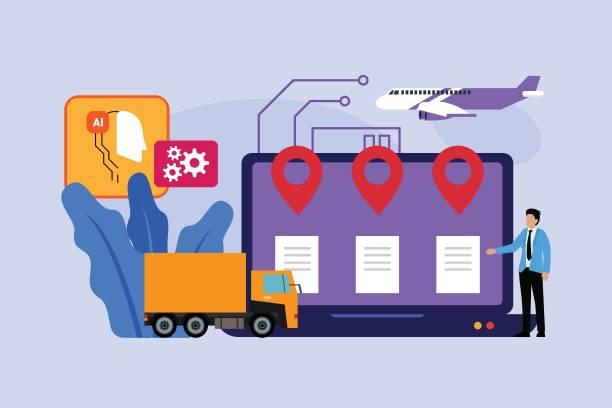
In today’s fast-moving e-commerce landscape, speed, accuracy, and scalability define success. Manual fulfillment processes may work in the early stages of a business, but growth quickly exposes operational gaps. Order errors increase, shipping delays become common, and customer satisfaction starts to decline. At this stage, shipping automation solutions become more than a convenience—they become a necessity.
Understanding the right time to implement shipping automation solutions can help prevent operational slowdowns and protect long-term profitability. Below is a detailed look at when automation becomes the smartest strategic move.
1. Order Volume Is Increasing Rapidly
One of the clearest signs that a company needs shipping automation solutions is a steady increase in daily order volume. Manual label creation, rate comparison, tracking updates, and inventory adjustments consume valuable time. As order counts rise, human error also increases.
Automated shipping solutions streamline label generation, carrier selection, and order routing. Instead of relying on spreadsheets or manual data entry, integrated systems process shipments instantly. This ensures consistent output even during peak sales periods such as holiday seasons or promotional campaigns.
If order backlogs begin forming or fulfillment teams struggle to keep pace, automation should become a priority.

2. Shipping Errors Are Affecting Customer Experience
Incorrect addresses, wrong items shipped, duplicate shipments, and missed tracking updates damage brand reputation. Even small error rates can create significant financial losses due to returns, refunds, and reshipping costs.
Shipping automation solutions reduce manual touchpoints in the fulfillment process. Automated validation systems confirm addresses before shipment. Integrated barcode scanning verifies correct product selection. Real-time tracking updates keep customers informed without manual effort.
When shipping mistakes become frequent or customer complaints increase, automation helps restore operational control.
3. Labor Costs Are Rising
Hiring additional staff to manage shipping tasks may seem like a solution, but payroll expenses can quickly outpace revenue growth. Training new employees also requires time and resources, and inconsistency often appears in manual workflows.
Automated shipping solutions allow a business to scale without dramatically increasing headcount. Instead of expanding labor costs, companies can invest in technology that processes higher volumes efficiently. Automation reduces repetitive administrative tasks, allowing staff to focus on strategic growth initiatives.
When fulfillment labor begins consuming a large percentage of operational expenses, automation provides a more sustainable path forward.
4. Multi-Channel Sales Are Expanding
Selling on multiple platforms—such as an online store, marketplaces, and wholesale portals—creates complexity. Each platform may have unique shipping rules, label requirements, and tracking standards. Managing these differences manually increases the risk of delays and compliance issues.
Shipping automation solutions integrate multiple sales channels into a single dashboard. Orders from various platforms flow into one system, where automated rules determine packaging type, shipping method, and carrier selection.
If multi-channel management feels overwhelming or time-consuming, automation simplifies operations and ensures consistency across platforms.
5. Inventory Visibility Is Limited
Shipping delays often stem from inaccurate inventory counts. Manual inventory tracking can lead to overselling, stockouts, and delayed shipments. Customers expect transparency and fast delivery; inaccurate inventory undermines both.
Many shipping automation solutions integrate directly with inventory management systems. Real-time stock updates prevent overselling and enable smarter fulfillment decisions. Automated alerts notify warehouse teams when stock reaches reorder thresholds.
Limited inventory visibility signals that it may be time to implement a fully integrated automated shipping system.
6. Carrier Rate Optimization Is Missing
Without automation, rate comparison across carriers can be time-consuming. Selecting shipping services manually may result in higher costs and slower delivery times.
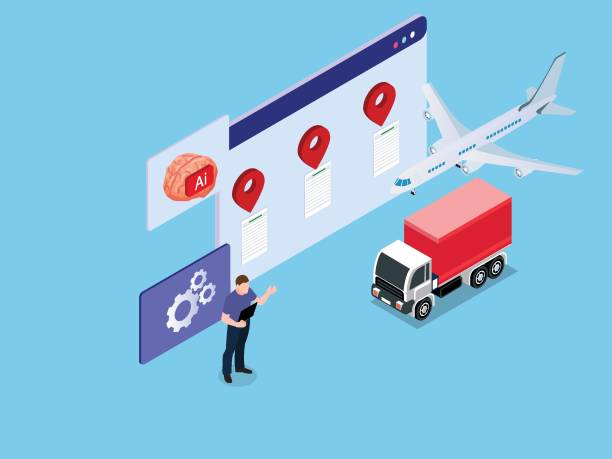
Automated shipping solutions compare carrier rates instantly and choose the most cost-effective option based on delivery speed, destination, and package weight. Over time, optimized carrier selection reduces shipping expenses and improves delivery performance.
When shipping costs begin cutting into profit margins, automation offers measurable savings.
7. Business Growth Plans Require Scalability
Growth goals demand scalable systems. Expanding into new regions, launching subscription models, or introducing same-day shipping requires advanced logistics capabilities.
Shipping automation solutions provide scalability by standardizing workflows and minimizing manual intervention. Automated order batching, smart packaging selection, and dynamic carrier routing support expansion without operational chaos.
Momentum Shipping Company understands how growing brands face fulfillment bottlenecks during expansion phases. Implementing automation before reaching a crisis point ensures smoother scaling and sustained customer satisfaction.
8. Data and Reporting Are Limited
Strategic decisions require accurate data. Manual systems often lack centralized reporting on shipping costs, delivery performance, and order processing time.
Modern shipping automation solutions offer real-time analytics dashboards. Businesses gain insights into carrier performance, average fulfillment speed, and shipping spend trends. These insights support better negotiations with carriers and more informed logistics planning.
When operational visibility feels unclear or fragmented, automation delivers the transparency needed for growth.
9. Peak Seasons Create Operational Stress
Holiday seasons, flash sales, and marketing campaigns often generate temporary spikes in demand. Without automated systems, fulfillment teams may struggle to handle sudden surges.
Automated shipping solutions manage volume spikes efficiently by batching orders, printing labels in bulk, and auto-updating tracking information. Preparation before peak season ensures smooth execution and protects brand reputation.
If peak periods consistently cause delays or negative reviews, automation should be implemented before the next surge arrives.
10. Competitive Pressure Is Increasing
Customers now expect fast, affordable, and transparent shipping. Competing brands invest heavily in logistics technology to meet these expectations. Falling behind operationally risks losing market share.
Shipping automation solutions level the playing field. Faster processing, fewer errors, and improved tracking enhance overall customer experience. Momentum Shipping Company supports brands seeking advanced automation strategies to maintain competitiveness in evolving markets.
Final Thoughts
The right time to implement shipping automation solutions is not after a major breakdown occurs. Proactive adoption ensures smoother operations, reduced costs, and improved scalability. Rising order volume, frequent errors, increasing labor costs, and expansion into multiple channels all signal that automation can deliver immediate value.
Businesses that invest early in automated shipping solutions position operations for long-term success. Instead of reacting to problems, automation creates a structured and efficient fulfillment environment that supports sustainable growth.
Frequently Asked Questions (FAQ)
1. What are shipping automation solutions?
Shipping automation solutions are technology systems that streamline fulfillment tasks such as label creation, carrier selection, tracking updates, inventory syncing, and reporting. These systems reduce manual work and improve shipping accuracy.
2. How do automated shipping solutions reduce costs?
Automated shipping solutions compare carrier rates instantly, reduce labor expenses, minimize shipping errors, and prevent costly returns. Over time, optimized processes lower overall fulfillment spending.
3. Is shipping automation suitable for small businesses?
Yes. Even small businesses benefit from automation once order volume increases or multi-channel selling begins. Early implementation prevents operational bottlenecks during growth phases.
4. How does Momentum Shipping Company support automation?
Momentum Shipping Company helps integrate advanced shipping automation solutions into existing workflows. This approach improves scalability, efficiency, and delivery performance without disrupting daily operations.
5. When should automation be implemented?
Automation should be implemented when order volume grows steadily, shipping errors increase, labor costs rise, or expansion plans require scalable infrastructure. Early adoption ensures smoother long-term growth.

 English
 Arabic
 Spanish
 Portuguese
 Deutsch
 Turkish
 Dutch
Dutch
 Italiano
 Russian
 Romaian
 Portuguese (Brazil)
 Greek
Greek