Women’s reproductive health often involves multiple screening tests, and it can be confusing to understand which test serves what purpose. Vaginal Swab Test in Dubai and Pap smears are two of the most common procedures performed during gynecological exams, but they have very different objectives. Knowing the difference helps you make informed decisions and ensures accurate monitoring of your sexual and reproductive health.
The Primary Purpose of Each Test:
A vaginal swab test is designed to detect infections within the vaginal canal. It identifies bacterial vaginosis, yeast infections caused by Candida, trichomoniasis, and sexually transmitted infections such as chlamydia and gonorrhea. This test is primarily diagnostic, aimed at identifying the cause of abnormal vaginal discharge, itching, odor, or irritation.
In contrast, a Pap smear is a screening test for cervical cancer. It detects abnormal or precancerous changes in the cervical cells that could develop into cancer if left untreated. While it may occasionally reveal infections, its primary focus is monitoring the health of the cervix rather than the vaginal environment.
How the Procedures Differ?
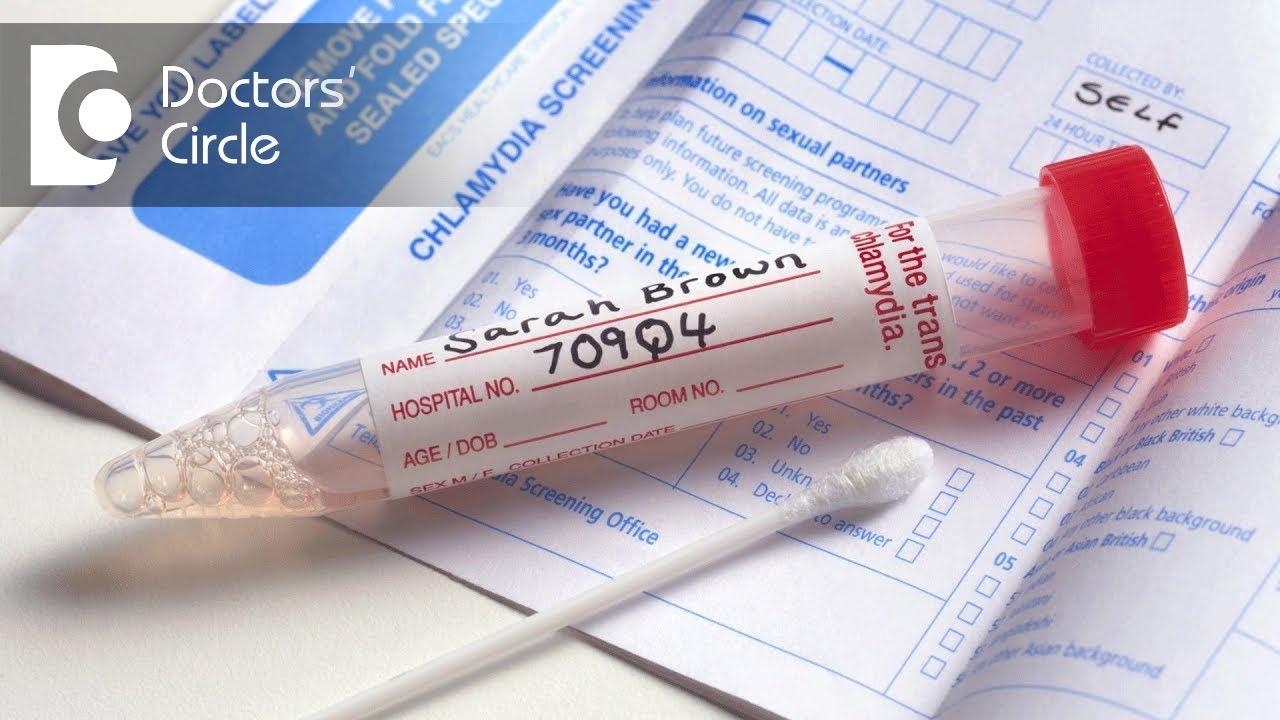
During a vaginal swab test, a healthcare provider collects a sample of vaginal fluid using a sterile cotton swab. A speculum may be inserted to visualize the vaginal walls, and the swab is gently rotated to gather cells and secretions for laboratory analysis. The procedure is quick, usually completed within a few minutes, and can be performed by a clinician or, in some cases, self-collected for STI screening.
A Pap smear also involves a speculum exam, but the focus is on collecting cells from the cervix rather than the vaginal walls. A soft brush or spatula is used to scrape cervical cells, which are then sent to a laboratory to detect abnormal cellular changes. The procedure is similarly brief but targets a different part of the reproductive system.
Conditions Detected by Vaginal Swab Tests:
Vaginal swab testing is valuable for diagnosing a variety of infections and conditions that can affect vaginal health. Bacterial vaginosis occurs when there is an imbalance in the normal vaginal flora, often causing grayish discharge with a fishy odor.
Yeast infections are caused by Candida overgrowth and typically present with thick white discharge, redness, and itching. Trichomoniasis, a parasitic infection, can lead to frothy yellow-green discharge and irritation.
Sexually transmitted infections such as chlamydia and gonorrhea may be asymptomatic but can cause serious reproductive complications if untreated. Vaginal swab tests provide the accurate detection needed for proper treatment and infection management.
Conditions Detected by Pap Smear:
Pap smears focus on detecting abnormal cervical cells that could indicate precancerous or cancerous changes. Human papillomavirus (HPV), particularly high-risk strains, is the primary cause of cervical cancer and can often be identified during routine Pap screening.
While a Pap smear may occasionally detect bacterial or yeast infections incidentally, it is not intended to diagnose vaginal infections. Regular Pap smears are essential for early cervical cancer detection, especially for women over the age of 21 or those with risk factors for HPV.
Frequency of Testing:
Vaginal swab tests are typically performed when symptoms are present, for routine STI screening, or during pregnancy for Group B streptococcus testing. Sexually active individuals may undergo swab testing periodically to ensure early detection of infections, even if they are asymptomatic.
Pap smears follow a regular screening schedule. Women aged 21–29 are advised to have a Pap smear every three years, while women aged 30–65 may combine Pap smears with HPV testing every five years. The schedule may vary depending on personal and family medical history.
Understanding Test Results:
Vaginal swab test results indicate whether an infection is present and identify the specific pathogen responsible. Negative results mean no infection was detected, while positive results guide treatment with antibiotics, antifungal medications, or antiparasitic drugs. In some cases, inconclusive results may require repeat testing.
Pap smear results classify cells as normal, atypical, or abnormal. Abnormal results may require follow-up testing, such as colposcopy, to evaluate the extent of precancerous or cancerous changes. HPV testing may be performed alongside Pap smears to identify high-risk viral strains.
Why Both Tests Are Important?
Vaginal swab tests and Pap smears serve complementary roles in reproductive health. Vaginal swabs address infections that can cause discomfort, affect fertility, or increase the risk of STI transmission. Pap smears focus on early detection of cervical cancer, a condition that can be life-threatening if undiagnosed.
Together, these tests provide a comprehensive approach to monitoring vaginal and cervical health. Regular screening, combined with awareness of symptoms like abnormal discharge, itching, odor, or pelvic pain, ensures proactive and preventive care.
Common Misconceptions:
A frequent misconception is that Pap smears can detect all types of vaginal infections. While they may sometimes reveal bacterial or fungal organisms incidentally, Pap smears are not a substitute for vaginal swab testing.
Another misunderstanding is that vaginal swabs are only necessary when symptoms are present. Preventive STI screening is recommended even in the absence of symptoms, as many infections remain asymptomatic but can still cause complications.
Taking Charge of Your Reproductive Health:
Understanding the difference between Vaginal Swab Test and Pap smears empowers women to take proactive steps in maintaining reproductive and sexual health. Recognizing the purpose, procedure, and results of each test helps ensure accurate diagnosis and timely treatment.
If you notice unusual vaginal discharge, itching, burning, or pelvic discomfort, a vaginal swab test can provide answers. For routine cervical cancer screening, Pap smears remain the gold standard. Combining both approaches, alongside regular checkups and preventive care, protects long-term reproductive health and promotes overall well-being.
Regular screening, awareness of symptoms, and timely consultation with a healthcare provider are key to maintaining a healthy balance and preventing complications in your reproductive system.




 Arabic
 French
 Spanish
 Portuguese
 Deutsch
 Turkish
 Dutch
Dutch
 Italiano
 Russian
 Romaian
 Portuguese (Brazil)
 Greek
Greek