


How Do Electrical Inspections Identify Overloaded Circuits?
Overloaded circuits are one of those problems that can hide in plain sight. Your lights still turn on. Your outlets still work. Meanwhile, wires inside the wall may be working too hard. That can lead to hot outlets, burnt smells, or tripped breakers. Because it often starts small, people ignore it. Even so, overloaded circuits are a common cause of electrical trouble.
That’s where an electrical inspection in Valencia CA, helps, as it doesn’t just “look around.” It checks how your system is being used right now. It also checks if your wiring and breakers can safely handle your everyday life. Therefore, you get answers before a small issue becomes a scary one.
How An Electrical Inspection in Valencia CA, Spots Overload
An electrical inspection looks for places where too much power is being drawn from a single circuit. A circuit is a loop that carries electricity from the panel to outlets, lights, and back again. When you plug in too many things, that loop can get stressed.
Inspectors focus on the “load.” Load is the amount of electricity your devices are drawing. Because overload can happen without smoke or sparks, inspectors rely on a mix of checks.
They usually start at the electrical panel, then follow the trail outward. Meanwhile, they look for signs like heat, worn parts, or messy wiring. They also compare what they see to the circuit's rating. Therefore, they can tell if your setup is safe or if it’s running too close to the edge.
Overloaded circuit: A circuit that is carrying more electricity than it is designed to handle.
The Clues Inspectors Notice First
Overload leaves hints. Some are obvious, and some are subtle. However, a trained inspector offering electrical inspection in Valencia CA, knows what patterns matter.
Here are common “first clues” they look for:
- Breakers that trip often (especially when you use a microwave, space heater, or hair dryer)
- Warm outlets or switch plates
- Flickering or dimming lights when another device turns on
- Buzzing from outlets, switches, or the panel
- Burning smell near plugs or the panel
- Extension cords are used every day instead of using more outlets
Also, they look at how your home or business actually runs. For example, a kitchen with two fridges on one circuit is a red flag. So is a garage with freezers, tools, and chargers sharing one line. Because overload is often tied to habits, the inspector will ask questions about what you plug in and where you plug it in.
Panel Checks That Reveal The Truth
A lot of answers live inside the panel. That’s the box with breakers that “protect” each circuit. If a circuit draws too much power, the breaker should trip. However, not all panels are in great shape, and not all breakers trip as they should.
During an inspection, the electrician checks things like:
- Breaker size vs. wire size (they must match)
- Loose breaker connections that can heat up
- Signs of overheating, like discoloration or a burnt smell
- Double-tapped breakers (two wires under one breaker)
- Crowded or messy wiring that hides problems
Because heat is a big warning sign, inspectors often look for it directly. This is one way an electrical inspection in Valencia CA, catches overload that you might not notice day to day. They may use a temperature tool to compare “normal” circuits to hotter ones. Meanwhile, they check if certain breakers are doing more work than others.
Tools And Tests That Confirm Overload
A good inspector doesn’t guess. They measure. That’s how they know if a circuit is truly overloaded or just acting up for another reason.
Here are a few tools and tests commonly used:
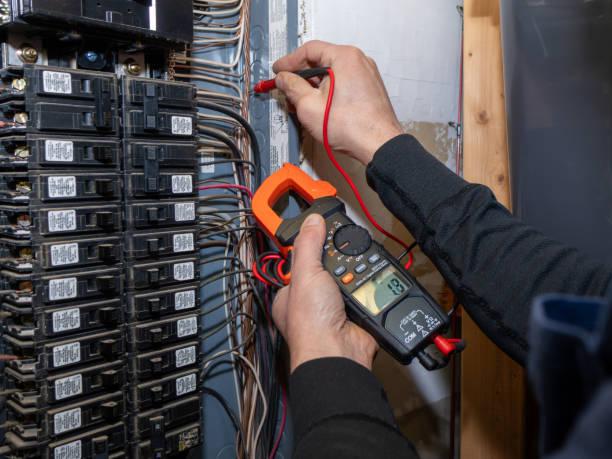
Clamp Meter Readings
A clamp meter measures the current (electric flow) on a wire. It “clamps” around the wire without cutting it. Therefore, it’s fast and safe in skilled hands. If a circuit is pulling close to its limit during normal use, that’s a problem.
Load Calculations
This is a simple math check. The inspector adds up what that circuit powers. For example, a microwave plus an air fryer on the same kitchen circuit can push it too far. Because many appliances pull more power when they start, the inspector also considers “startup surge.”
Thermal Checks
Heat often shows up before failure. This is another area where an electrical inspection in Valencia CA, can catch risk early. Inspectors may scan the panel and certain outlets for hot spots. Meanwhile, they’ll look for melted plastic or brittle insulation.
Simple Checks You Can Do Today
You can’t test your system like a pro, and you shouldn’t open the panel. However, you can spot patterns that suggest overload. These quick checks take 10–15 minutes.
A Mini At-Home Checklist
- Turn on a high-use device (microwave, kettle, space heater).
- Meanwhile, watch nearby lights. Do they dim or flicker?
- Plug your phone charger into the same outlet. Does it feel warm after a few minutes?
- Check your breaker trips: does one breaker trip more than others?
- Also, look for “daisy chains” of power strips. That’s a warning sign.
- Smell near outlets and switches. If you notice burning, stop using that circuit.
If you find one red flag, take it seriously. If you find two or more, it’s time to call a pro. Because overload can lead to overheating, waiting rarely helps.
Common Fixes After Overload Is Found
Once overload is confirmed, the fix depends on the cause. Sometimes it’s your usage pattern. Sometimes it’s your wiring design. Either way, the goal is the same: spread the load safely.
Here are common solutions:
- Move devices to different circuits (a simple change, when possible)
- Add a new dedicated circuit for heavy appliances like microwaves, freezers, or server racks
- Add outlets so you don’t rely on power strips
- Upgrade the panel if it’s too small for your needs
- Replace worn breakers that don’t trip properly
- Fix unsafe wiring like loose connections or wrong wire size
Also, the inspector may suggest “circuit mapping.” That means labeling which breaker controls each circuit. Therefore, you’ll know where your power is going and how to balance it. A thorough electrical inspection often includes this kind of practical guidance.
Mini Table: Overload Vs. Other Issues
|
What You Notice |
Overloaded Circuit |
Loose Connection |
Bad Device |
|---|---|---|---|
|
Breaker Trips When Many Devices Run |
Common |
Sometimes |
Sometimes |
|
Outlet Feels Warm |
Sometimes |
Common |
Sometimes |
|
One Appliance Causes Trouble Everywhere |
Less Common |
Less Common |
Common |
Final Thought
Overloaded circuits are often a “slow-burn” problem. Things work, so you assume all is fine. However, repeated trips, heat, and flickering are your system asking for help. When you act early, the fix is usually simpler. Therefore, it’s worth taking the signs seriously.
If you want a clear, practical plan for your space, Lariat Electric can help you sort out what’s overloaded, why it’s happening, and what to do next—without making it complicated.

 English
 Arabic
 French
 Spanish
 Portuguese
 Deutsch
 Turkish
 Dutch
Dutch
 Russian
 Romaian
 Portuguese (Brazil)
 Greek
Greek