


Engineering Large Solar Farms for Reliable Power Systems
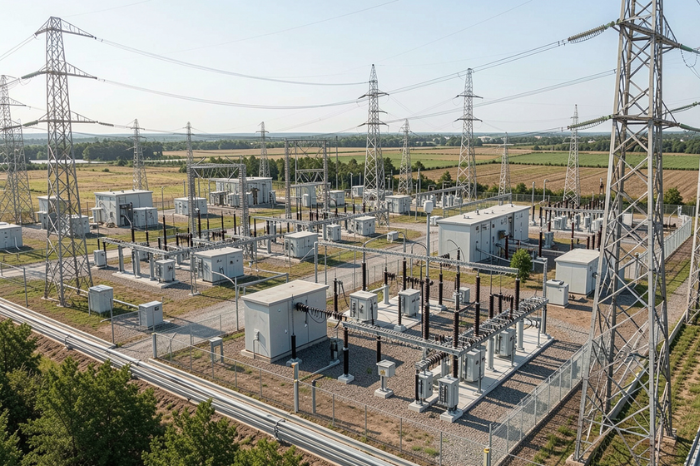
Utility-scale solar farms are transforming the global energy landscape, delivering clean and reliable electricity at scale. However, behind every successful solar project lies a complex engineering process that ensures efficiency, safety, and long-term performance. From site selection to grid integration, each phase requires precision, expertise, and compliance with strict technical standards.
This guide explores the key aspects of utility-scale solar farm engineering, helping developers, investors, and engineers understand what it takes to build high-performing solar projects.
Understanding Utility-Scale Solar Projects
Utility-scale solar farms are large installations designed to generate electricity for the grid rather than individual use. These projects typically range from tens to hundreds of megawatts and require advanced planning and coordination across multiple engineering disciplines.
Unlike smaller solar systems, utility-scale projects must address grid stability, power quality, and regulatory requirements. Engineering teams must ensure that the plant operates seamlessly within the broader electrical network while maximizing energy output.
Site Selection and Feasibility Analysis
The success of a solar farm begins with selecting the right location. Engineers evaluate several factors, including solar irradiance, land availability, topography, and proximity to transmission infrastructure.
Environmental and geotechnical studies play a critical role in determining site suitability. Soil conditions affect foundation design, while environmental assessments ensure compliance with regulations and minimize ecological impact.
A thorough feasibility analysis also includes energy yield assessments, financial modeling, and risk evaluation. These early-stage studies help stakeholders make informed decisions and avoid costly challenges later in the project lifecycle.
Electrical Design and System Architecture
Electrical engineering is at the core of solar farm development. Designing an efficient system requires careful selection of components such as photovoltaic modules, inverters, transformers, and cabling systems.
Engineers must optimize the layout to minimize losses and maximize energy production. This includes string configuration, inverter sizing, and DC-to-AC conversion efficiency. Proper grounding and protection systems are also essential to ensure safety and reliability.
In addition, modern solar farms often incorporate advanced monitoring and control systems. These technologies enable real-time performance tracking, fault detection, and predictive maintenance, ensuring optimal operation throughout the plant’s lifespan.
Grid Integration and Compliance Requirements
Connecting a solar farm to the grid is one of the most critical aspects of the engineering process. Utilities impose strict requirements to maintain grid stability, voltage regulation, and frequency control.
Engineers conduct detailed studies, including load flow, short circuit, and dynamic simulations, to assess the impact of the solar plant on the grid. These studies ensure that the system can operate safely under various conditions, including faults and fluctuations in generation.
Meeting regulatory standards often involves implementing advanced grid code compliance solutions that align the solar plant with local and international grid codes. These solutions help maintain power quality and ensure seamless integration with existing infrastructure.
Civil and Structural Engineering Considerations
Beyond electrical design, civil engineering plays a crucial role in solar farm development. Site preparation involves grading, drainage design, and access road construction to support installation and maintenance activities.
Structural engineers design mounting systems that can withstand environmental stresses such as wind, temperature variations, and seismic activity. Durability and cost-effectiveness are key considerations when selecting materials and construction methods.
Proper planning in this phase ensures long-term stability and reduces maintenance requirements, ultimately improving the overall performance of the solar farm.
Performance Optimization and Operational Efficiency
Once the solar farm is operational, continuous optimization is essential to maximize energy output and return on investment. Engineers use performance data to identify inefficiencies and implement improvements.
This includes optimizing inverter performance, reducing system losses, and ensuring proper cleaning and maintenance of solar panels. Advanced analytics and automation tools further enhance operational efficiency.
While solar projects differ from wind energy systems, lessons learned from utility-scale wind turbine services can be applied to improve asset management, predictive maintenance, and overall reliability. Integrating best practices across renewable technologies helps create more resilient and efficient energy systems.
The Role of Advanced Engineering Solutions
Modern solar farms rely on innovative engineering approaches to address evolving challenges. Energy storage integration, smart grid technologies, and digital monitoring systems are becoming increasingly important.
These solutions enhance grid stability, enable better energy management, and support the transition to a more sustainable energy future. Implementing robust grid code compliance solutions ensures that solar plants remain adaptable to changing regulatory requirements and grid conditions.
At the same time, cross-sector expertise, including insights from utility-scale wind turbine services, allows engineering teams to adopt proven strategies for large-scale renewable energy deployment.
Conclusion
Utility-scale solar farm engineering is a multidisciplinary process that requires careful planning, technical expertise, and adherence to strict standards. From site selection to grid integration and performance optimization, every phase plays a vital role in the success of the project.
As the demand for renewable energy continues to grow, well-engineered solar farms will be essential for delivering reliable and sustainable power. By leveraging advanced technologies and proven engineering practices, developers can build projects that not only meet today’s energy needs but also support a cleaner and more resilient future.

 English
 Arabic
 French
 Spanish
 Deutsch
 Turkish
 Dutch
Dutch
 Italiano
 Russian
 Romaian
 Portuguese (Brazil)
 Greek
Greek