


How To Design Custom Cabinets For Tight Spaces
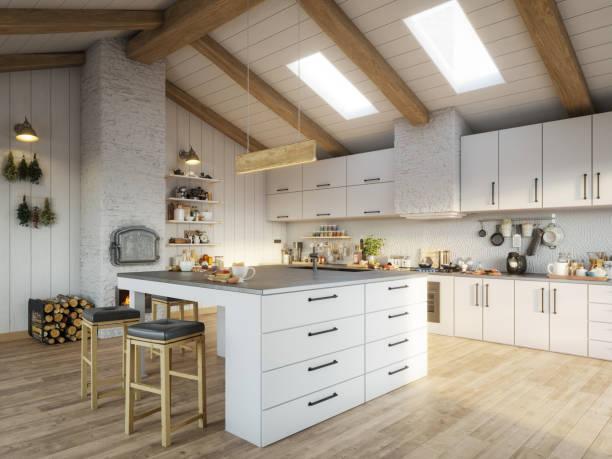
Small rooms can feel tricky. However, smart storage can change how the space works each day. Tight kitchens, small baths, and narrow hallways still have hidden rooms. You need a plan that fits your life. That means measuring well, choosing the right cabinet sizes, and using every inch on purpose. Also, good cabinet design helps you stay tidy with less effort. You waste less time hunting for items. You also keep counters clear, which makes a small space feel calmer. If you are planning custom cabinets in Litchfield County, start with how you move, reach, and store things now. Then build around those habits. Small spaces reward simple choices that work hard.
Custom Cabinets in Litchfield County Start With Real Measurements
Tight spaces do not forgive guesswork. So, measure in a careful, repeatable way. Start with the full wall length. Then measure height and depth in several spots. Older homes can shift, so one corner may be tighter than another. Also, mark what cannot move. Think outlets, vents, pipes, and window trim. Next, note door swings and drawer paths. A drawer that hits a knob wastes space and causes daily stress.
Before you choose cabinet sizes, measure these too:
- The width of the walk paths where people pass
- The clearance needed to open doors fully
- The space a dishwasher or fridge needs to breathe
Finally, write down what you must store. That list guides every choice. When the cabinet fits the items, you avoid wasted shelves. And when the cabinet fits the room, you avoid daily bumps and blocks.
Pick a Layout That Matches How You Use the Room
In a tight space, layout matters more than style. So, focus on what you do most. For a kitchen, think prep, cook, and clean. For a bath, think morning rush and towel storage. Also, avoid deep dead zones. Corner areas can hide space, yet they can also trap it. A smart layout keeps the “reach zone” easy. That means the items you use often sit between waist and eye level.
Here are layout moves that often help:
- Use taller cabinets when floor space is limited
- Choose fewer, wider cabinets to reduce wasted gaps
- Keep drawers near where you use the items
A narrow layout often works best with one clean cabinet line. Still, an L-shape can store more while keeping the room comfortable. Many homeowners choose custom cabinets in Litchfield County for this reason.
Use Depth, Height, And Toe-Kicks To Gain Hidden Space
Depth sounds helpful, yet too much depth can backfire. Deep shelves hide items in the back. Then food and tools get lost. So, match depth to what you store. Standard base cabinets often run deeper than many small items need. Therefore, drawers can beat shelves. A drawer pulls the back items forward, so you see everything. Also, think vertical. Many walls have “air space” above the top shelf line. You can use taller uppers or add a stacked cabinet section. That gives you a place for items you use less.
Do not forget the toe-kick area either. In some designs, that space can hold a shallow pull-out for flat items. It is small, yet it can store:
- Baking sheets
- Trays and cutting boards
- Placements or thin mats
Choose Doors, Drawers, And Hardware That Prevent Collisions
Small spaces often fail because things crash into each other. A door hits a wall. A drawer hits an oven handle. So, plan for movement first. Use the “test the swing” rule during planning, and a cabinet designer for custom cabinets in Litchfield County can prevent daily bumps and blocked drawers.
Consider these upgrades that reduce collisions:
- Full-extension drawers that bring items out cleanly
- Soft-close hinges that prevent slams in narrow rooms
- Low-profile pulls that do not snag clothes or hips
One designer tip says, “If it bumps once, it will bump forever.” That is true. So, fix the bump in the plan, not after install.
Also, match hardware size to cabinet size. Oversized pulls look bold. Yet in tight spaces, they can create bruises and broken pockets.
Build Storage Around What You Own, Not Around Empty Shelves
A cabinet should fit your things, not the other way around. So, start with categories. Group items by task, like coffee, baking, or school lunches. Then decide where each group should live.
This is where custom cabinets near Litchfield County can feel worth it for many homes. You can shape storage to real items, like tall cereal boxes, bulky mixers, or stacked pet food bins.
Use this simple approach:
- Measure the tallest items you store often
- Count how many you have in each group
- Decide what must be easy to grab each day
Also, leave a little “future space.” Needs change. Kids grow. Tools change. A small extra shelf pin row can help you adjust later.
As one cabinet pro often says, “A shelf is only useful if you can reach it without a struggle.”
Add Smart Pull-Outs And Inserts For Tight Corners
If you are searching for custom cabinets near Litchfield County, pay close attention to how tight corners are used. Good inserts can turn a hard corner into easy storage. Look for pull-out trays, narrow slide-outs, and corner systems that bring items forward. Also, ask about vertical dividers for flat items, so nothing sits in messy piles.
Below is a quick guide to common add-ons and what they do best:
|
Tight-Space Feature |
Best For |
Why It Helps |
|---|---|---|
|
Narrow pull-out pantry |
Spices, cans, snacks |
Uses thin gaps beside appliances |
|
Pull out trash and recycle |
Bins |
Clears floor space and hides clutter |
|
Corner pull-out system |
Pots, small appliances |
Bring deep items forward |
|
Vertical tray divider |
Sheets, boards, trays |
Stops stacking and scratching |
Also, use drawer inserts for small tools. When each tool has a spot, you stop overfilling one “junk” drawer. That saves time every day.
One Planning Step That Saves Money Later
When the layout follows daily habits, Litchfield County custom cabinets can reduce bending, searching, and repeat mess.
Prep Zone
Keep knives, boards, bowls, and wraps together. Add a drawer for tools you grab daily.
Cook Zone
Place pots, pans, and cooking tools near the stove. Use deep drawers, not deep shelves.
Clean Zone
Store dish soap, towels, and trash access near the sink. Keep extra sponges and bags nearby, too.
Now add mini zones. For example, a “coffee mini zone” can hold mugs, pods, and spoons. A “lunch mini zone” can hold bags, containers, and snacks.
And Once Your Plan Feels Clear, The Next Steps Get Easier
A tight space can still feel smooth and relaxed when storage fits your real life. When cabinets match your movement, you waste less time and space. You also protect your room from clutter creep. With careful measuring, smart hardware, and task-based zones, even a small room can hold more than you expect. If you want a build plan that stays practical from start to finish, CDL Contractors LLC can help turn those tight-space choices into cabinets that feel easy to live with.

 English
 Arabic
 French
 Spanish
 Portuguese
 Deutsch
 Dutch
Dutch
 Italiano
 Russian
 Romaian
 Portuguese (Brazil)
 Greek
Greek