


Rsorder OSRS Bossing Progression Guide: From Beginner to Endgame
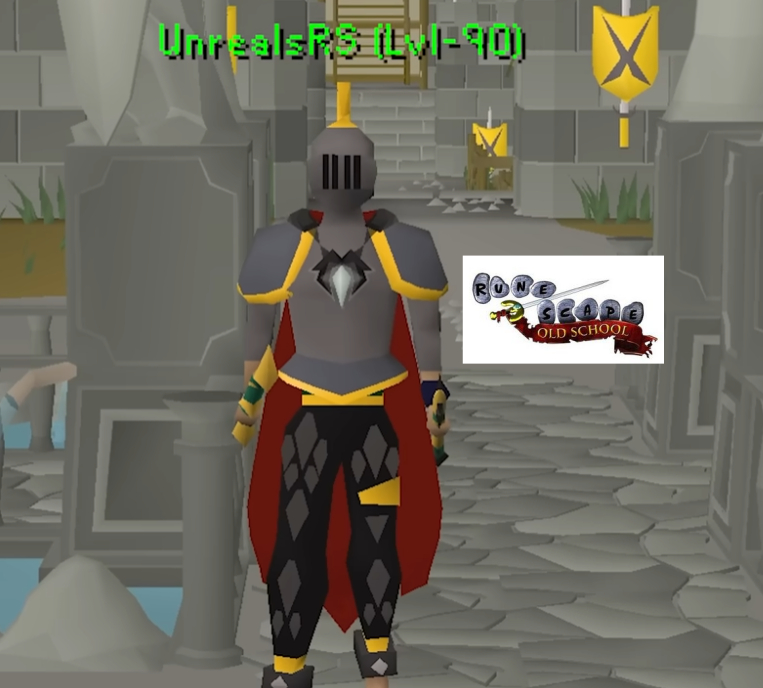
Progressing through bossing in Old School RuneScape can feel overwhelming. With dozens of encounters ranging from relaxed, entry-level fights to mechanically intense endgame challenges, knowing what to tackle next depends heavily on your account progression with RS gold, gear, and personal goals. This guide walks you through bossing from easiest to hardest, helping you build a natural progression path while developing the skills needed for high-level PvM.
First, it’s important to understand that difficulty in OSRS is subjective. A boss that feels trivial to one player may be frustrating to another. Factors like gear, stats, and familiarity with mechanics all play a significant role. You don’t need best-in-slot items to begin bossing-most encounters are designed to be approachable with mid-tier equipment, allowing you to gradually work your way up.
Early Bossing: Learning the Fundamentals
For new players, early bosses serve as training grounds. Encounters like Scurrius are excellent introductions to core mechanics such as prayer switching, movement, and handling multiple enemies. Mistakes here are forgiving, giving you room to learn without severe punishment.
Similarly, Bryophyta and Obor offer simple mechanics: protect from the correct combat style, eliminate minions, and maintain positioning. These fights reinforce foundational PvM habits.
Another notable early target is the Giant Mole. While mechanically simple, it introduces tracking and repositioning as the boss burrows. Completing the Falador Hard Diary significantly improves efficiency here.
Mid-Tier Bosses: Expanding Mechanics
Once comfortable, you can move into mid-tier encounters that introduce more complexity. Barrows Brothers is often a player’s first real PvM grind, requiring resource management and awareness of different combat styles.
Bosses like Sarachnis and Skotizo expand on this by adding minion control and environmental mechanics. Skotizo, in particular, emphasizes target prioritization through its totems.
The King Black Dragon introduces risk via the Wilderness, while teaching preparation through antifire protection and prayer usage. Meanwhile, the Dagannoth Kings push players into hybrid combat, encouraging the use of multiple styles and prayer switching under pressure.
Advanced Bossing: Precision and Efficiency
At this stage, encounters demand tighter execution. TzTok-Jad is a milestone fight. Mechanically, it’s simple-react to slow, telegraphed attacks-but the challenge lies in maintaining composure after a long buildup.
Slayer bosses such as Cerberus and Abyssal Sire introduce multi-phase fights and punishing mechanics like prayer-based damage checks. These encounters refine timing and awareness.
God Wars Dungeon bosses, including Commander Zilyana and General Graardor, emphasize positioning, kiting, and sustained resource management. Each boss has unique patterns, requiring adaptation rather than repetition.
High-Level Bossing: Mechanics and Profit
High-tier bosses combine mechanics with strong profit potential. Vorkath is a popular money-maker, requiring precise reactions to special attacks while maintaining consistent damage output.
Zulrah adds complexity through rotation-based mechanics, forcing players to memorize patterns and adapt quickly. Similarly, Phantom Muspah blends movement, prayer switching, and phase transitions into a fast-paced encounter.
The Corrupted Gauntlet raises the stakes further by combining preparation, resource management, and execution under time pressure. Success here reflects a well-rounded PvM skillset.
Endgame Challenges: Mastery Required
At the highest level, OSRS offers some of the most demanding PvM content in any MMO. Raids like Tombs of Amascut and Theatre of Blood require deep mechanical understanding, teamwork, and consistency. Mistakes are heavily punished, especially at higher difficulty levels.
Solo challenges such as the Inferno represent the pinnacle of PvM. With dozens of waves culminating in an intense final boss, it tests everything from positioning to prayer management and mental endurance.
Desert Treasure II bosses like Vardorvis and The Whisperer push players further with overlapping mechanics, high damage output, and punishing enrage phases.
Final Thoughts
Bossing in OSRS is a gradual journey. Each encounter teaches transferable skills—whether it’s prayer switching, movement, or resource management with cheap OSRS items. You don’t need to rush into endgame content. Instead, focus on building confidence step by step. Every death is part of the learning curve. As your gear improves and your mechanical skill sharpens, bosses that once felt impossible will become routine. That progression is what makes PvM in Old School RuneScape so rewarding.

 English
 Arabic
 French
 Spanish
 Deutsch
 Turkish
 Dutch
 Italiano
 Russian
 Romaian
 Portuguese (Brazil)
 Greek