


How to Choose the Right Shower Gel for Sensitive Skin?
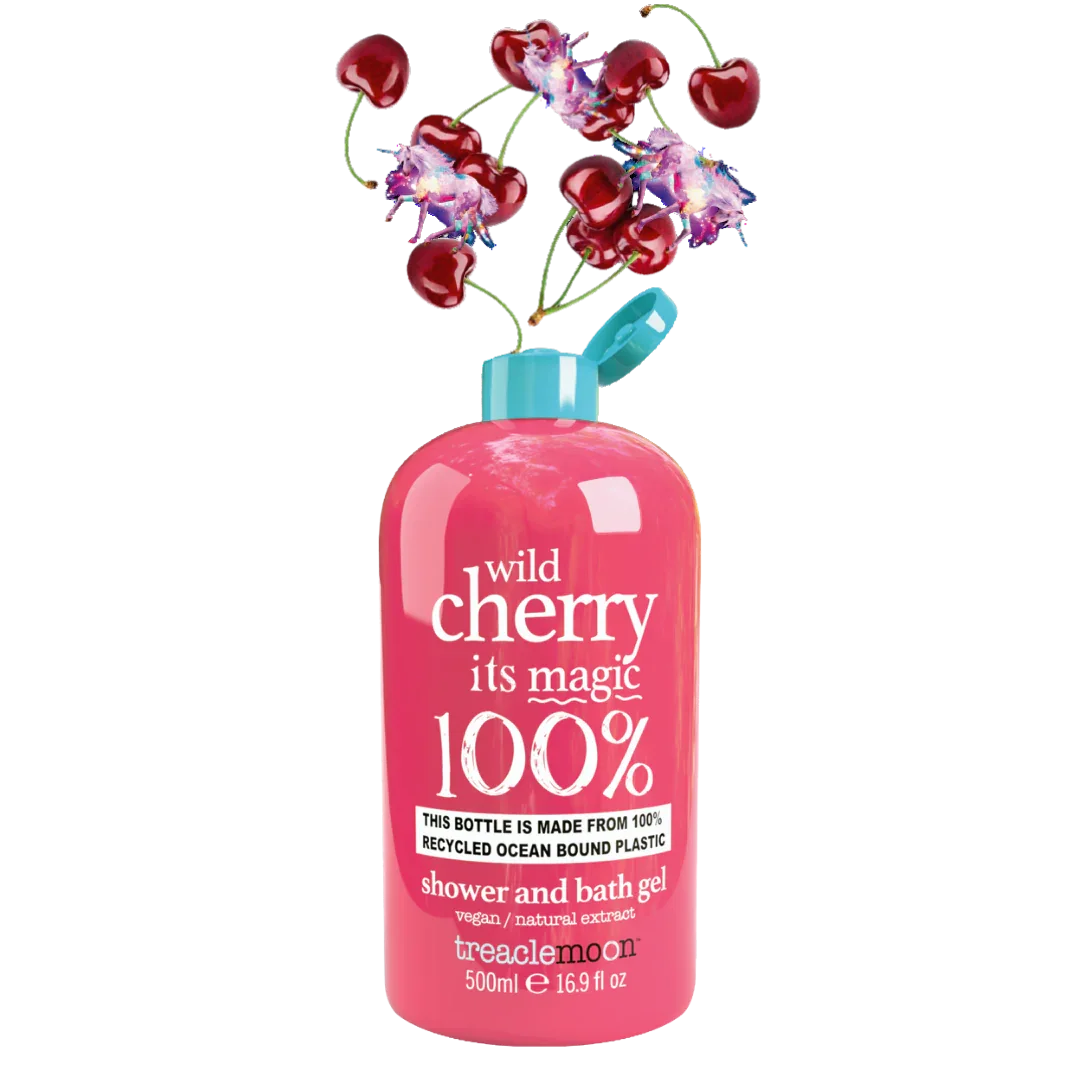
Choosing the right shower gel for sensitive skin means selecting a formula that cleans without causing irritation, dryness, redness, or itching. The focus should be on mild cleansing agents, minimal fragrance, skin friendly pH levels, and ingredients that support the natural skin barrier.
Sensitive skin reacts quickly to harsh chemicals, strong scents, and aggressive cleansing formulas. The wrong product can lead to discomfort within minutes. The right one leaves the skin clean and calm.
Below is a practical guide to making a safe and informed choice.
Understand What Sensitive Skin Really Means
Sensitive skin is not a medical diagnosis in most cases. It describes skin that reacts easily to products or environmental factors.
Common signs include:
-
Burning or stinging after washing
-
Red patches
-
Tightness
-
Dry, flaky areas
-
Itching
If you notice these symptoms regularly after showering, your body wash may be part of the problem.
Look for Mild Cleansing Agents
The first thing to check on the label is the surfactant. This is the ingredient responsible for removing dirt and oil.
Harsh cleansers can strip natural oils and damage the skin barrier. For sensitive skin, look for:
-
Sodium laureth sulfate rather than stronger sulfates
-
Coco glucoside or other mild plant based cleansers
-
Low foam formulas
More foam does not mean better cleaning. In fact, very high lather often signals stronger detergents.
A good shower gel for sensitive skin should clean sweat and dirt without leaving a tight or squeaky feeling.
Avoid Strong Fragrance
Fragrance is one of the most common causes of irritation.
While many products highlight pleasant scents, sensitive skin often responds better to:
-
Fragrance free formulas
-
Lightly scented options with clear labeling
-
Products labeled for dermatologically tested skin
Even natural essential oils can trigger reactions in some individuals. Lavender, citrus, and peppermint may smell fresh but can irritate reactive skin.
If fragrance is important to you, choose mild options and always patch test first.
Check for Alcohol and Preservatives
Alcohol can increase dryness, especially in hot showers. Check the ingredient list and avoid high alcohol content.
Preservatives are necessary in liquid products, but certain types are known to cause reactions in some people. If you have a history of skin allergies, review ingredient labels carefully or consult a dermatologist.
Many established personal care brands now offer sensitive skin ranges that use widely accepted preservative systems.
Choose Products With Barrier Supporting Ingredients
Sensitive skin often has a weakened protective layer. Supporting this barrier is essential.
Look for ingredients such as:
-
Glycerin
-
Aloe vera
-
Panthenol
-
Ceramides
-
Oat extract
These ingredients help maintain moisture and reduce irritation. While a shower gel stays on the skin for a short time, these additions still make a difference during daily use.
Pay Attention to pH Balance
Healthy skin has a slightly acidic surface. A body wash with a balanced pH helps maintain that environment.
If the pH is too high, it can disturb the skin’s natural defense system. Many brands mention pH balanced on packaging. While not always exact, this is a useful indicator.
A properly balanced formula reduces the risk of dryness and sensitivity over time.
Consider Your Shower Habits
Product choice is only part of the equation.
Hot water and long showers can worsen sensitivity. Even the most gentle cleanser may cause discomfort if combined with harsh habits.
To reduce irritation:
-
Use lukewarm water
-
Limit shower time
-
Pat dry instead of rubbing
-
Apply a gentle moisturizer immediately after
In my experience working with consumer feedback in personal care retail, customers who changed both product and shower routine reported better results than those who changed only the product.
Patch Testing Is Practical
Before fully switching, test the product on a small area of skin for twenty four hours.
Apply a small amount behind the ear or on the inner arm. If no redness or itching occurs, it is likely suitable.
This step is simple but often skipped. It can prevent unnecessary discomfort.
Seasonal and Environmental Factors
Sensitive skin can worsen during winter due to dry air and indoor heating. In summer, sweat and friction may increase irritation.
During colder months, cream based body washes may be more suitable. In warmer seasons, lightweight but still mild formulas work better.
Adjusting your product based on climate can reduce flare ups.
Avoid Marketing Claims Without Reading Labels
Terms like natural or herbal do not automatically mean safe for sensitive skin.
Some plant extracts are highly active and may irritate delicate skin. Always read the full ingredient list rather than relying on front label claims.
Brands that clearly list ingredients and provide dermatological testing information generally inspire more confidence.
When to See a Professional
If your skin shows persistent redness, cracking, or severe itching, consult a dermatologist.
Conditions such as eczema or contact dermatitis require medical guidance. In such cases, over the counter body washes may not be sufficient.
Prescription or medically recommended cleansers may be necessary.
Conclusion
Choosing the right shower gel for sensitive skin involves focusing on mild cleansing agents, low fragrance content, balanced pH, and ingredients that support the skin barrier. Avoid harsh detergents, strong scents, and high alcohol content.
Also adjust your shower habits. Use lukewarm water, shorten shower time, and moisturize afterward. Small changes combined with the right product can reduce irritation significantly.
Sensitive skin requires consistency and care. Read labels carefully, test new products gradually, and pay attention to how your skin responds. Comfort after showering is the true measure of a suitable body wash.
FAQs
Q.1 What ingredients should I avoid in a shower gel for sensitive skin?
Avoid strong sulfates, high alcohol content, and heavy fragrance. These are common triggers for irritation.
Q.2 Is fragrance free always better for sensitive skin?
In most cases, yes. Fragrance free products reduce the risk of irritation, especially for highly reactive skin.
Q.3 How often should I shower if I have sensitive skin?
Daily showering is fine if you use mild products and lukewarm water. Avoid very long or very hot showers.
Q.4 Can natural ingredients irritate sensitive skin?
Yes. Some essential oils and plant extracts can cause reactions. Always patch test new products before regular use.

 English
 Arabic
 French
 Spanish
 Deutsch
 Turkish
 Dutch
Dutch
 Italiano
 Russian
 Romaian
 Portuguese (Brazil)
 Greek
Greek